
Key Words: Silicon Wafer Dicing PCB Depaneling Glass Cutting
Home > News > Company News
【Description】:
An in-depth analysis of laser power, cutting speed, and auxiliary gas parameters for sapphire substrate laser cutting, featuring Chanxan's high-precision laser cutting machine series.
Glass laser cutting technology is a high-speed, high-quality cutting method. Cutting sapphire wafers not only offers the advantages of fast processing speed and excellent incision quality, but also enables the flexibility to cut complex customized patterns effortlessly.
In order to obtain an optimal surface quality grade, process parameters such as laser power, cutting speed, and gas pressure must be systematically optimized through multiple testing phases.
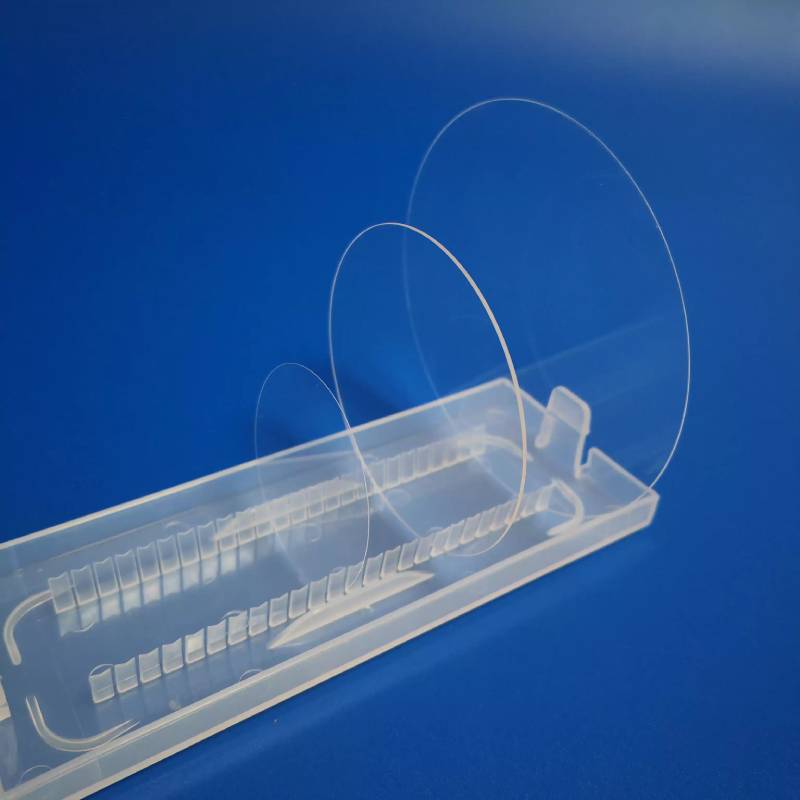
Laser energy is the primary power source in the process of cutting sapphire substrates. Laser power combined with cutting speed dictates the overall energy input into the material. When other process parameters (such as speed and auxiliary gas pressure) remain constant, kerf width shares a direct linear relationship with laser power increases. If laser power is insufficient, full penetration cannot be achieved. Conversely, excessive power increases incision width and end-face roughness. Balancing maximum power efficiency with target surface quality is essential for optimal performance.
For sapphire substrate processing, cutting speed provides a flexible operating window. A lower cutting speed results in a wider incision with greater edge roughness. A higher cutting speed narrows kerf width and reduces surface roughness. However, exceeding the optimal speed threshold causes excessive slag accumulation or incomplete penetration. If speed is set too low, material over-burning occurs, enlarging both kerf width and the Heat-Affected Zone (HAZ).
Auxiliary gases perform a dual role: blowing away slag to maintain a clean kerf, and controlling reaction energy. High-purity nitrogen is specifically utilized for sapphire processing to suppress excessive combustion in the cutting area. The process requires a high gas flow rate to efficiently eject molten material from the incision. Gas purity is critical—impurities directly compromise edge finish and cutting cleanliness.

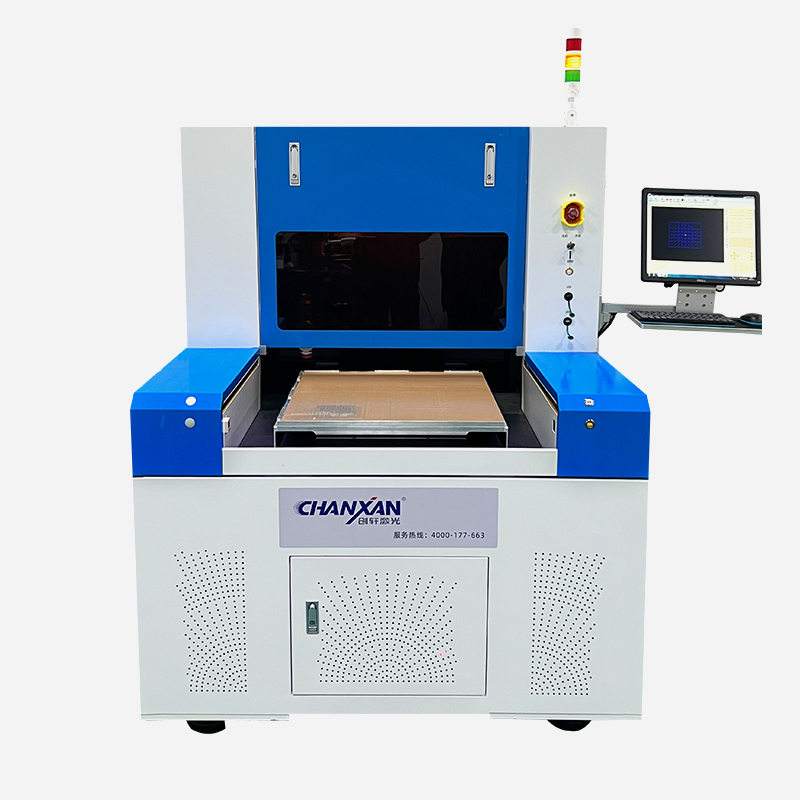
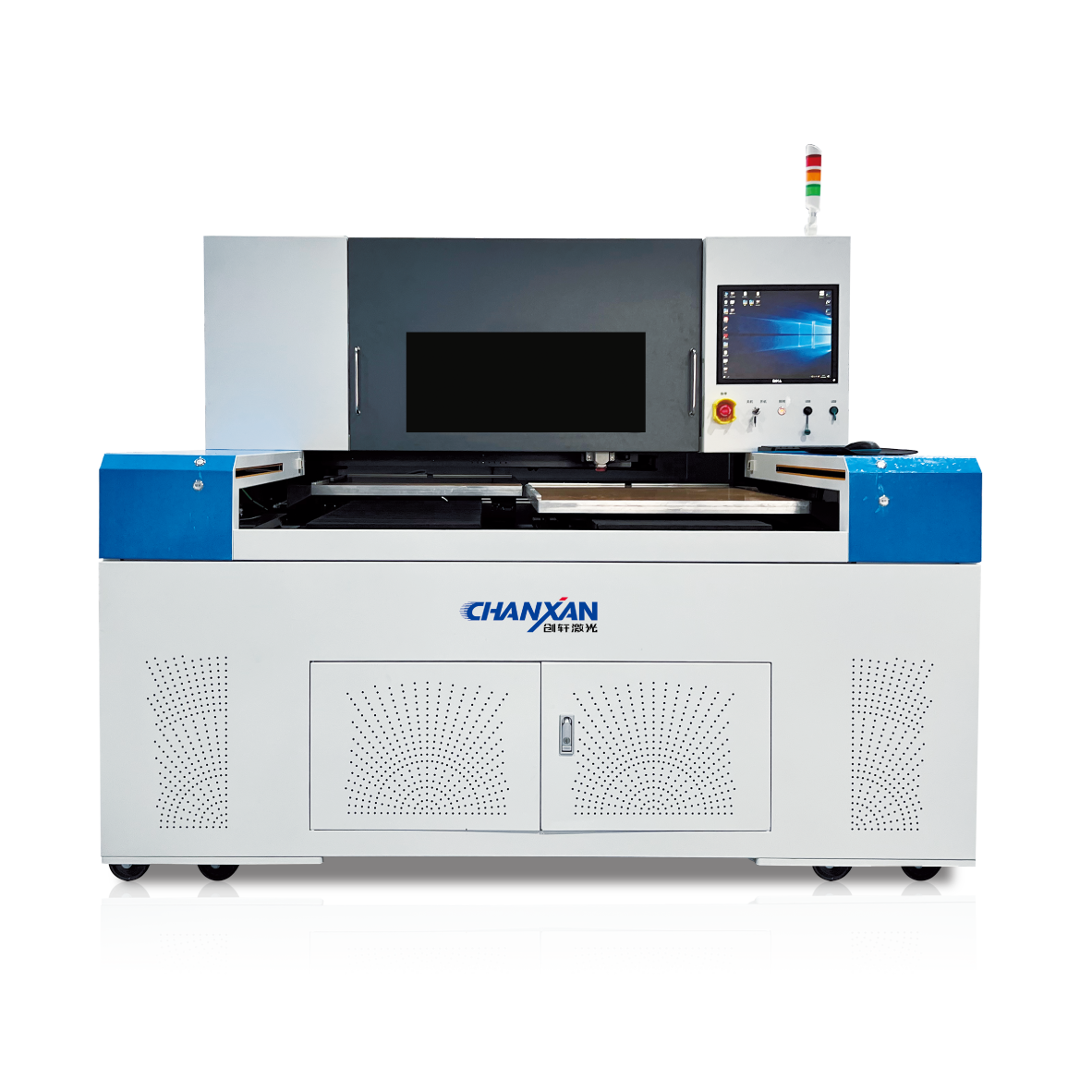
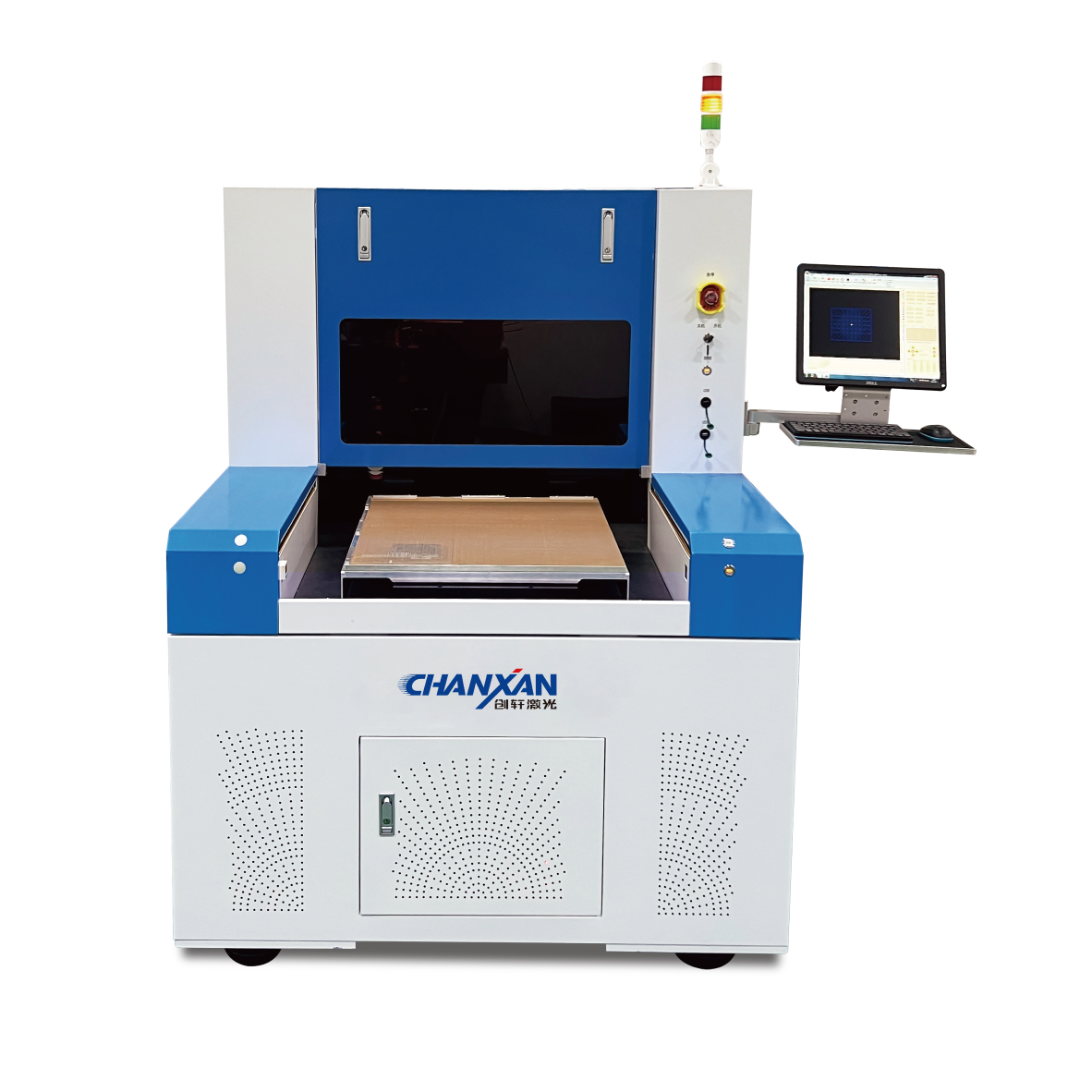
Chanxan Laser's ultrafast laser cutting series utilizes high-performance picosecond and femtosecond lasers to process sapphire, ceramic, and metal substrates. Delivering smooth sidewalls and minimal edge chipping (down to 10 μm), this system offers significantly faster processing speeds and lower operational costs compared to traditional mechanical tools.
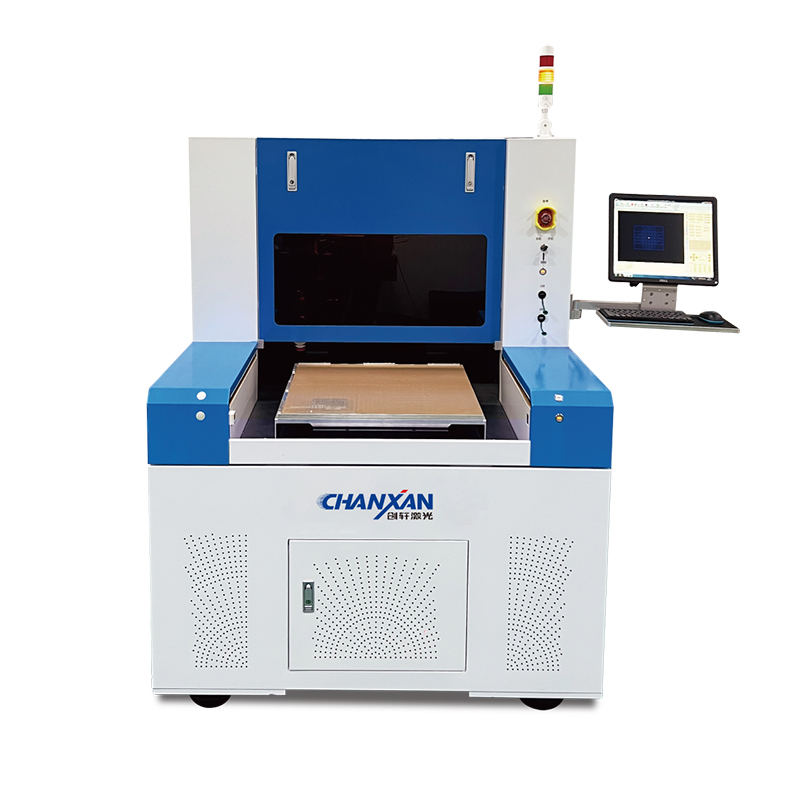
Engineered for versatility, Chanxan's precision processing machines seamlessly handle cutting, drilling, and scribing on sapphire, glass, ceramics, and other hard, brittle materials. Available in both single-head and dual-head configurations, the optional dual-cutting head system drastically boosts production efficiency and throughput.

Contact Chanxan Laser's application engineering team to evaluate your sapphire, glass, ceramic, or metal substrates. We offer sample testing, custom optical configurations, and complete system integration to meet your production needs.
| Free solution