
Key Words: Silicon Wafer Dicing PCB Depaneling Glass Cutting
Home > News > Industry News
【Description】:
Comprehensive guide on UDI tracking requirements for medical devices.
In the medical device industry, traceability is not just a regulatory requirement—it is a matter of patient safety. Every medical device, from surgical instruments to implantable devices, must carry a Unique Device Identification (UDI) code. This alphanumeric code enables:
| Purpose | Benefit |
|---|---|
| Product tracking | Enables manufacturers to trace devices through the supply chain. |
| Recalls and adverse event reporting | Allows rapid identification and removal of defective products. |
| Inventory management | Streamlines hospital and distributor stock control. |
| Regulatory compliance | Meets FDA, EU MDR, and other global regulatory requirements. |
Medical devices are manufactured from a wide range of materials—including metals, plastics, and glass—each presenting unique challenges for marking. The UDI code must be:
Permanent – resistant to wear, cleaning, sterilisation, and body fluids.
Highly legible – readable by both humans and barcode scanners.
Smooth to the touch – for medical‑grade plastics, the marking must have no raised edges or tactile sensation, as rough surfaces can harbour bacteria, increasing infection risk.
Traditional marking methods—such as ink printing, pad printing, and label stickers—have significant drawbacks. Ink can fade or wear off; labels can peel or become illegible; and both can introduce contamination risks. Laser marking technology has emerged as the preferred solution, offering permanent, high‑contrast, and bacteria‑resistant marks that meet the stringent demands of the medical industry.
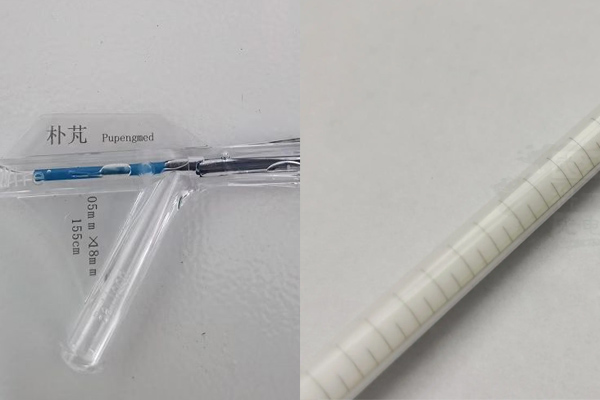
| Requirement | Traditional Methods (Ink, Labels) | Laser Marking |
|---|---|---|
| Permanence | Ink fades; labels peel | Permanent – no wear or removal. |
| Hygiene | Ink can trap bacteria; labels have adhesive residue | Smooth surface – no bacterial harbourage. |
| Sterilisation resistance | Ink may discolour or degrade | Withstands autoclaving, EtO, gamma, and e‑beam sterilisation. |
| Solvent resistance | Ink dissolves in cleaning agents | Resistant to alcohol, disinfectants, and solvents. |
| Contrast | Variable | High contrast on plastics and metals. |
| Space efficiency | Labels require space | Very small marks – ideal for miniature devices. |
| Consistency | Variable | Consistent – software‑controlled. |
Key advantage: Laser marking is a non‑contact, dry process that introduces no chemicals, adhesives, or contaminants—critical for medical device manufacturing.
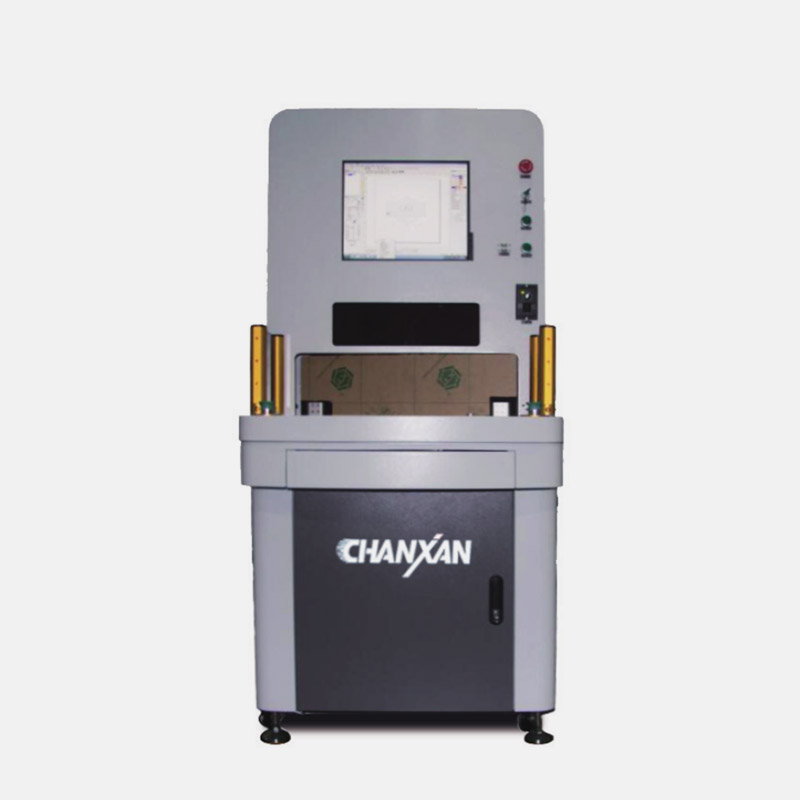
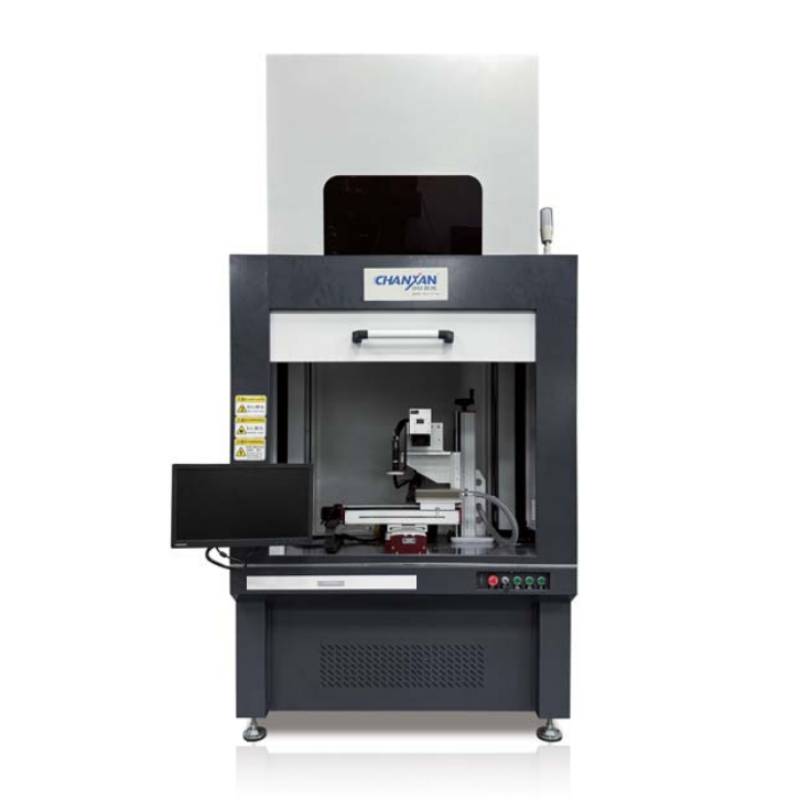
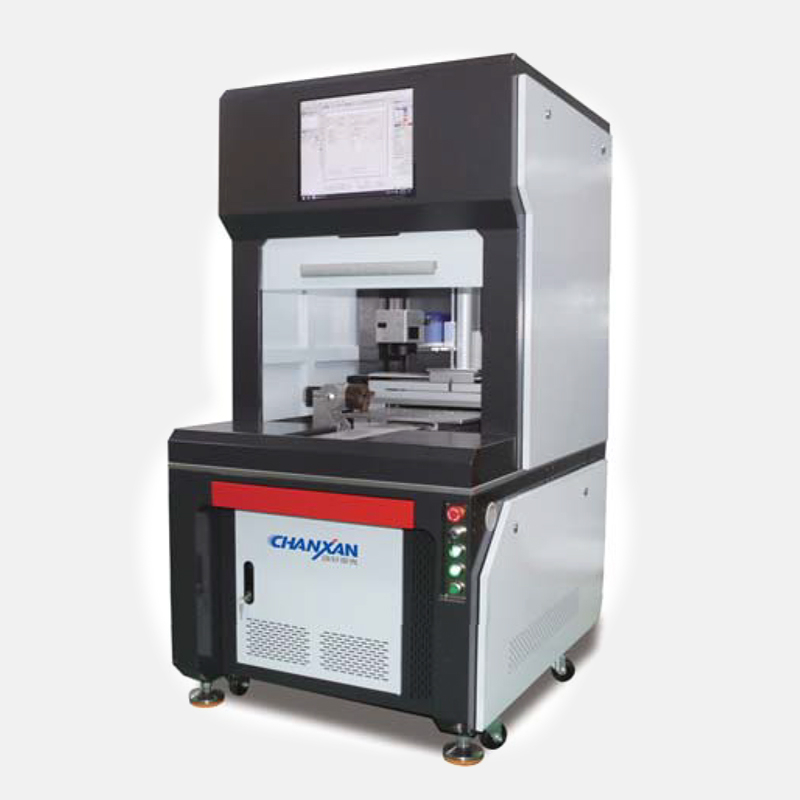
A UV laser marking machine (also known as a medical laser marking machine) is a high‑precision marking system that uses a 355 nm ultraviolet laser to create permanent marks on medical devices. It is particularly suited for marking medical‑grade plastics, where the UDI code must be smooth, clear, and bacteria‑resistant.
The term "cold marking" refers to the fact that UV laser marking is primarily a photochemical process, not a thermal one:
The UV laser (355 nm) is strongly absorbed by most plastics.
The high photon energy breaks molecular bonds directly—without significant heat generation.
This changes the molecular structure of the material, causing it to darken or change colour.
The mark is formed within the material itself (not just on the surface), making it smooth and permanent.
Critical for medical devices: When marking white or light‑coloured plastics, the UV laser creates dark, high‑contrast marks that are smooth to the touch. This eliminates any raised edges or rough surfaces where bacteria could grow—a vital requirement for devices that contact patients or sterile environments.
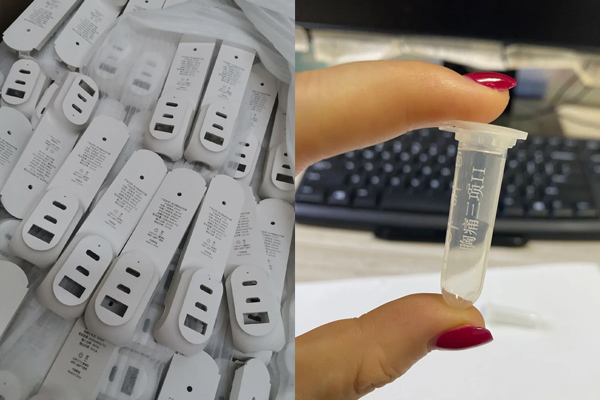
Medical‑grade plastics are among the most challenging materials to mark. The UDI code must be:
Highly legible – high contrast for easy scanning.
Smooth – no tactile sensation to prevent bacterial growth.
Permanent – resistant to cleaning, sterilisation, and handling.
| Material Type | UV Laser Marking Result | Why It Works |
|---|---|---|
| White / light‑coloured plastics | High‑contrast dark marks | UV absorption causes chemical change, darkening the material. |
| Coloured plastics | Contrast marks | The mark is formed within the material—not just on the surface. |
| Clear / transparent plastics | Whitening or frosting | UV laser creates micro‑cavities that scatter light. |
| Heat‑sensitive plastics | Ideal – no melting or distortion | Cold marking prevents thermal damage. |
For medical‑grade plastics, the UDI mark must be smooth to the touch. This is achieved through UV laser marking because:
The mark is internal—the molecular change occurs within the material, not on the surface.
There is no raised edge or crater as with thermal laser marking.
The material surface remains flat and smooth, allowing easy cleaning and preventing bacterial accumulation.
Comparison:
| Marking Method | Surface Texture | Bacterial Risk |
|---|---|---|
| Ink printing | Smooth (but can wear) | Low (but ink can harbour bacteria if degraded) |
| Mechanical engraving | Rough | High – bacteria can lodge in grooves |
| CO₂ / Fibre laser | Often raised or charred | Moderate to high |
| UV laser | Smooth | Low – no crevices for bacteria |
| Application | Typical Materials | UV Laser Marking Advantage |
|---|---|---|
| Surgical instruments | Stainless steel, titanium | High‑contrast, permanent marks with no thermal distortion. |
| Orthopaedic implants | Titanium, cobalt‑chrome | Marks are sterile, smooth, and corrosion‑resistant. |
| Dental implants | Titanium | Fine detail marking with no surface damage. |
| Application | Typical Materials | UV Laser Marking Advantage |
|---|---|---|
| Glass syringes | Borosilicate glass | Frosted, legible marks without weakening the glass. |
| Vials and ampoules | Soda‑lime, borosilicate | Permanent marks that survive autoclaving. |
| Optical components | Fused silica | Marks do not scatter light or affect optical performance. |
| Material | UV Laser | Fibre Laser | CO₂ Laser | Mechanical Marking | Ink/Labels |
|---|---|---|---|---|---|
| Plastics (medical grade) | Excellent – smooth, cold | Poor – melts/roughens | Poor – chars | Poor – rough | Moderate – wears |
| Metals (surgical grade) | Good – marks cleanly | Excellent – anneal marks | Poor – no absorption | Good – but roughens | Poor – wears |
| Glass | Excellent – frosted marks | Poor – transmits | Poor – transmits | Poor – cracks | Moderate – wears |
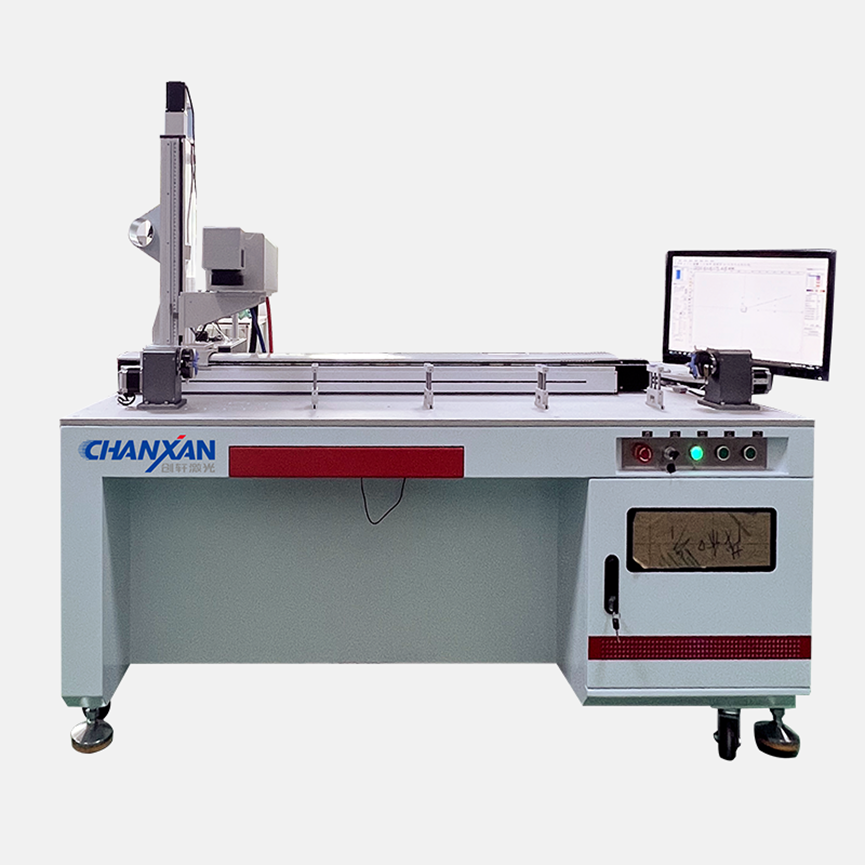
Chanxan Laser offers a range of UV laser marking machines specifically designed for the medical device industry. These systems are engineered to deliver high‑quality UDI marking on medical plastics, metals, and glass—meeting the rigorous standards of FDA, EU, and ISO 13485.
| Free solution
Previous: Application of Laser Marking Technology in Automobile Steering Wheels
Next: Laser Scribing for Photovoltaic Solar Cells – A Complete Guide to P1, P2, and P3 Processes