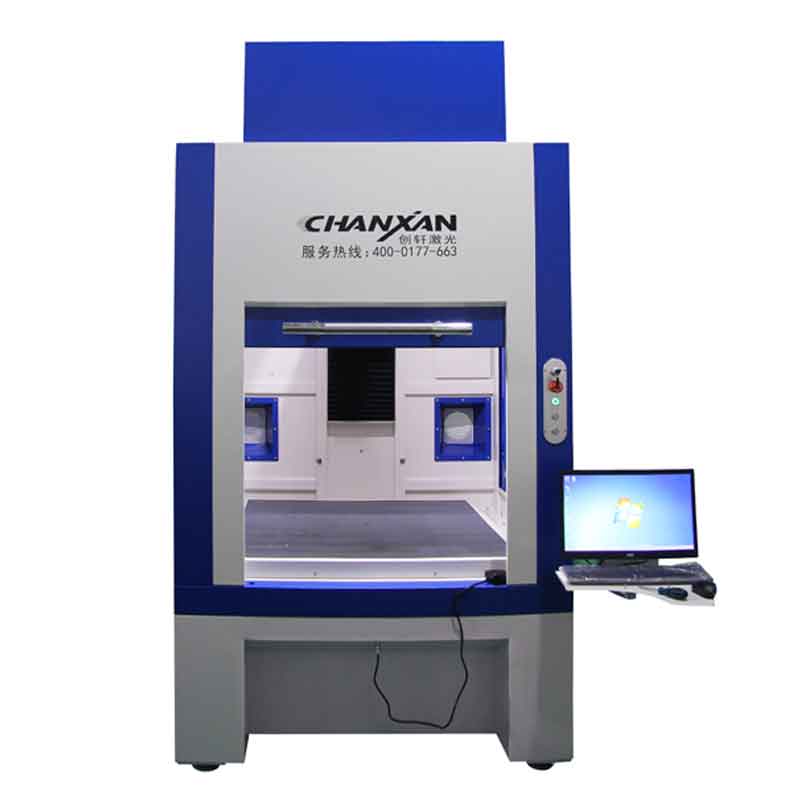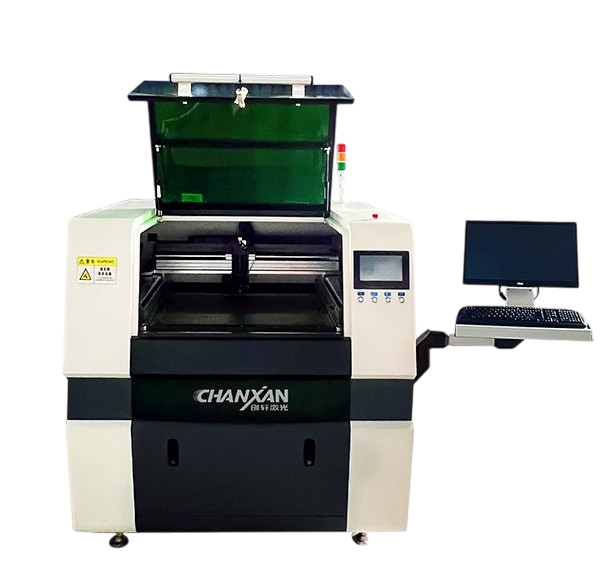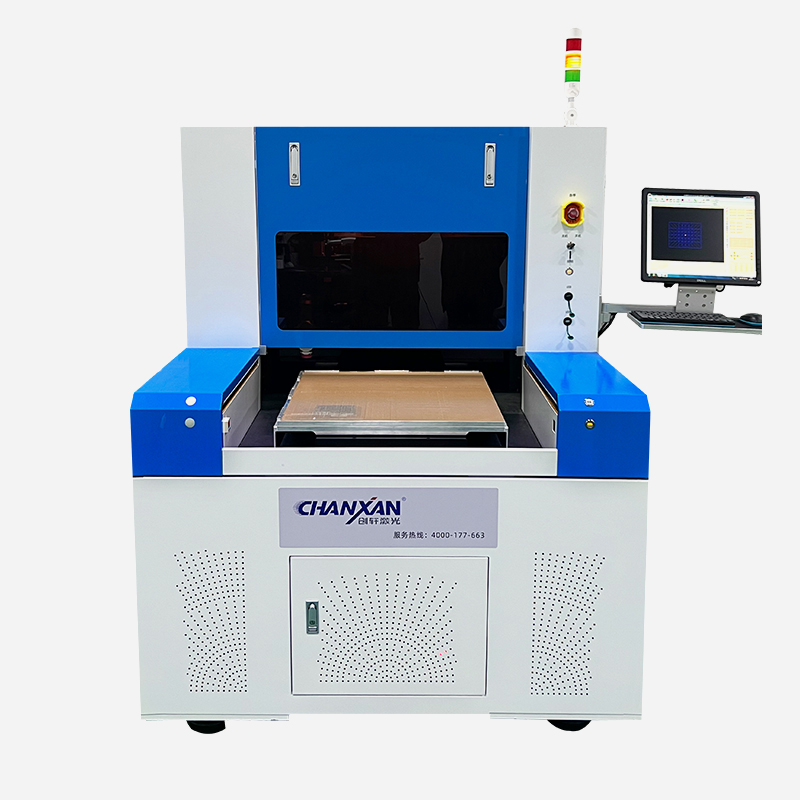

Key Words: Silicon Wafer Dicing PCB Depaneling Glass Cutting
Home > News > Industry News
【Description】:
To prevent carbonization, operators must shift from continuous wave (CW) mode to short-pulse, high-peak-power modulation, utilize high-pressure nitrogen (N2) assist gas (at least 0.6–0.8 MPa), and deploy ultra-fast galvanometer scanning (>3000 mm/s) over multiple rapid passes.
TL;DR (Too Long; Didn't Read)
While Carbon Dioxide (CO2) lasers at 10.6μm are highly cost-effective for cutting thick flexible printed circuits (FPCs), their thermal processing nature inherently risks severe edge charring and carbonization on polyimide (PI) substrates. To prevent carbonization, operators must shift from continuous wave (CW) mode to short-pulse, high-peak-power modulation, utilize high-pressure nitrogen (N2) assist gas (at least 0.6–0.8 MPa), and deploy ultra-fast galvanometer scanning (>3000 mm/s) over multiple rapid passes. This minimizes thermal accumulation, lowers the Heat Affected Zone (HAZ) to under 50μm, preserves electrical insulation resistance, and achieves clean, high-yield cuts without the premium cost of UV laser systems.
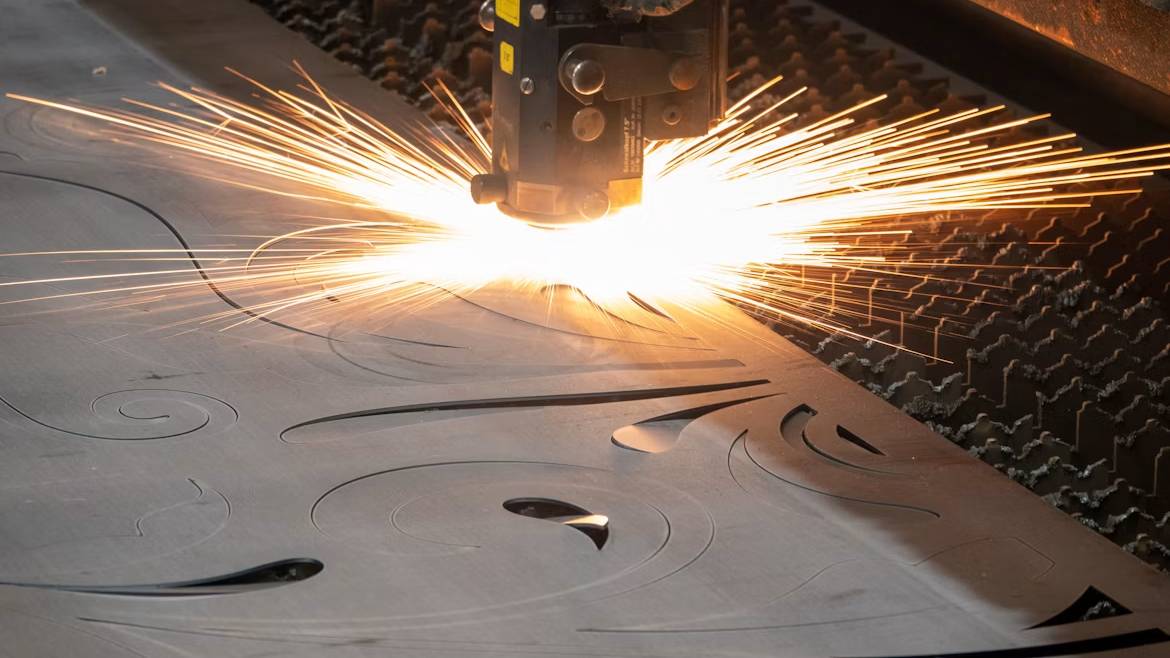
Continuous thermal exposure is the root cause of polyimide carbonization. Standard CO2 lasers operating in continuous wave (CW) mode constantly melt the substrate, leading to a massive heat accumulation that burns the organic resin into black carbon residues. To combat this, Chanxan Laser systems utilize advanced RF-excited CO2 tubes modulated to emit short pulses (under 20–50 microseconds) with exceptionally high peak power. This concentrates energy instantly to vaporize the material via sublimation, cutting off the heat conduction to the adjacent circuitry before melting occurs.
Oxygen in the ambient air accelerates combustion, turning a clean laser cut into an oxidization or charring disaster. Introducing a coaxial, high-pressure Nitrogen (N2) assist gas stream acts as a dual-action shield. First, it completely displaces oxygen from the cutting zone, inhibiting oxidation. Second, the kinetic force of the high-velocity gas instantly expels the vaporized polymer debris and molten resin out of the kerf, preventing carbon particles from settling back onto the FPC edges.
Attempting to cut through an FPC laminate in a single, slow moving pass is a guarantee for edge burning. A slow laser beam dwells too long on a single spot, overloading the thermal threshold of the polyimide loop. The professional approach utilizes high-speed digital galvanometer scanners. By cranking the scan speed up to over 3000 mm/s and executing 4 to 6 rapid, overlapping passes, the material is progressively layer-ablated. Crucially, this gives the substrate microscopic intervals to cool down between pulses, dropping the Heat Affected Zone (HAZ) exponentially.
The following technical data chart illustrates how varying parameters directly impact carbonization and edge quality on a standard 0.2mm thick double-sided PI-Copper FPC board:
| Processing Mode | Pulse Width / Speed | Assist Gas Setup | HAZ Width | Edge Carbonization Level | Electrical Insulation |
|---|---|---|---|---|---|
| Continuous Wave (CW) | Continuous / 200 mm/s | Low-pressure Air (0.2 MPa) | > 250 μm | Severe (Heavy Black Ash) | Failed (< 10 MΩ) |
| Standard Pulsed (Low Speed) | 150 μs / 800 mm/s | Medium N2 (0.4 MPa) | 110 μm | Moderate (Yellow/Brown Edge) | Marginal (150 MΩ) |
| Optimized Chanxan Multi-Pass | 30 μs / 3500 mm/s | High-pressure N2 (0.7 MPa) | < 45 μm | None to Minimal (Clean Edge) | Excellent (> 500 MΩ) |
Q: Will optimizing CO2 laser parameters completely match the edge quality of a UV laser?
A: While an optimized CO2 laser drastically reduces charring to a level acceptable for 90% of industrial power electronics and consumer appliances, it cannot fully achieve the molecularly perfect 'cold cut' of a 355nm UV laser. A minor amber tint may remain due to the 10.6μm infrared wavelength, but the destructive carbon ash conductive layer is completely eliminated.
Q: What happens if my Nitrogen assist gas pressure drops below 0.5 MPa during production?
A: A drop in pressure diminishes the kinetic force needed to eject the vaporized polymer. The gas fails to fully displace ambient oxygen, leading to immediate localized burning, resin accumulation, and a spike in carbonization along the kerf walls, which will degrade insulation resistance.
Q: Can I apply a protective masking tape to the FPC to absorb the carbon residue?
A: Yes, applying a water-soluble or low-tack polyethylene (PE) masking film on the FPC surface prior to cutting is an excellent secondary industry practice. The film catches any stray vaporized resin splatter. Post-processing, the film is peeled or washed away, leaving the copper pads pristine and free of ash contamination.
Profile: Procurement Manager & Quality Assurance Director at a Tier-1 Automotive Electronics Plant.
The Challenge: The facility was mass-producing 500mm-long flexible LED underlying circuits for automotive dashboards using an older CO2 plotter. The cutting edges suffered from severe black carbonization. During thermal cycling tests, the carbon residue acted as a semiconductor path, triggering intermittent micro-short circuits between closely routed 12V copper tracks, dropping their final assembly qualification yield to a costly 84%.
The Solution: The engineering team retrofitted their line with Chanxan Laser's high-speed CO2 Galvo Micro-Machining System, integrating a short-pulse RF-excited laser source coupled with a high-pressure coaxial Nitrogen gas regulator nozzle.
The Outcome: By altering the process from a single slow crawl to a 3500 mm/s multi-pass ablation strategy backed by 0.7 MPa of Nitrogen, the carbon ash was completely eradicated. The heat-affected zone shrank by 80%, allowing zero-defect cutting within 70μm of active copper components. The automotive insulation testing yield soared from 84% to a flawless 99.9%, fully passing strict IATF 16949 automotive electronics reliability audits.
Disclaimer: To protect intellectual property and honor customer Non-Disclosure Agreements (NDAs), company names and specific background details in this scenario have been fictionalized or anonymized. However, all technical parameters, processing data, and yield performance metrics remain fully verified by Chanxan Laser's technical applications laboratory.
| Free solution
Previous: What Is the Minimum Kerf Width Achievable in Picosecond FPC Cutting?
Next: Why Is UV Laser Cutting the Industry Standard for Rigid-Flex PCB Depaneling?