
Key Words: Silicon Wafer Dicing PCB Depaneling Glass Cutting
Home > News > Industry News
【Description】:
355nm UV laser cutting is ideal for rigid-flex PCBs, using cold ablation to minimize HAZ, eliminate mechanical stress, and produce burr-free edges. Compared with mechanical cutting, it reduces delamination, contamination, and defects while improving assembly yield.
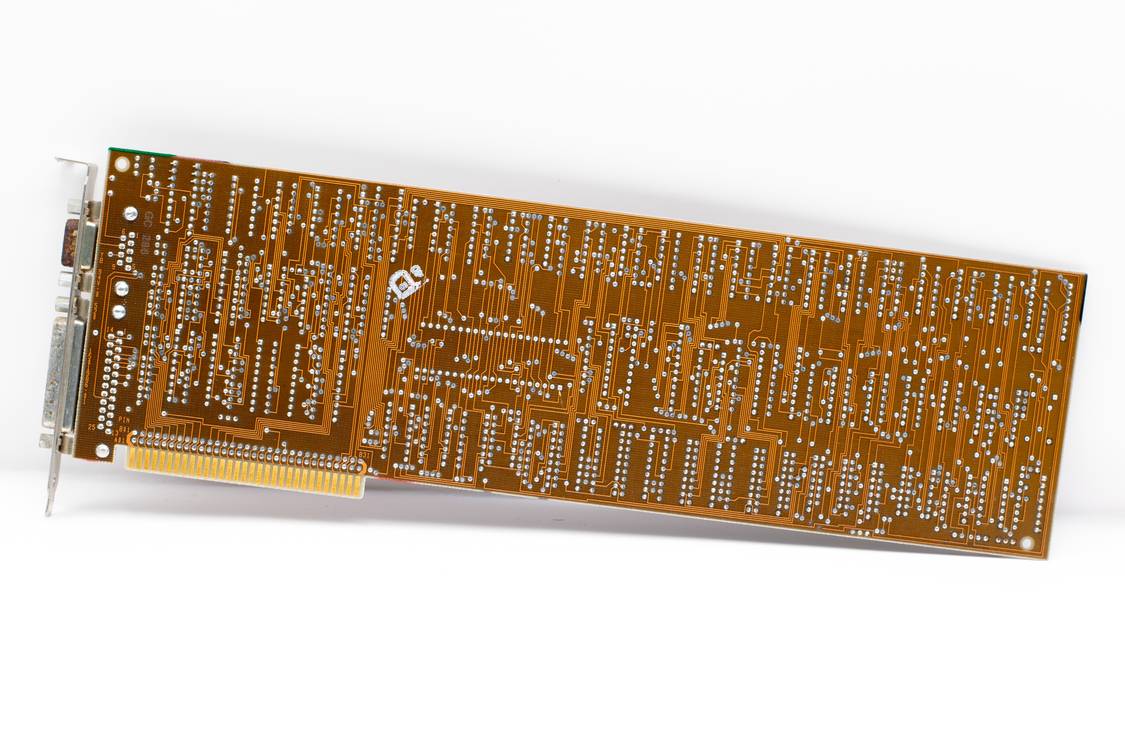
Unlike CO2 or Fiber lasers that rely on intense thermal energy to melt materials, UV lasers operate at a 355nm wavelength. This ultra-short wavelength possesses high photon energy capable of directly breaking the chemical bonds holding the polyimide and epoxy glass together. Because the material transitions instantly from solid to gas (sublimation), thermal transfer to surrounding areas is virtually eliminated.
Rigid-flex PCBs are highly prone to delamination at the interfaces where flexible layers meet rigid substrates. Mechanical routers exert physical force that pulls these layers apart. UV laser cutting is entirely non-contact. The laser beam focuses down to a spot size of under 20 microns, focusing exclusively on the cutting line without transmitting kinetic energy or vibrational stress to adjacent surface-mount devices (SMDs).
Mechanical routing leaves behind extensive glass fibers and resin dust that can settle on delicate sensor components or underlying pads, causing electrical shorts. UV laser depandeling completely vaporizes the material. Combined with an optimized coaxial exhaust system, it leaves the board completely clean, eliminating the need for expensive post-cutting ultrasonic washing or manual brushing.
The following data matrix evaluates the processing performance of UV lasers against traditional manufacturing methods for 1.2mm thick rigid-flex PCB boards:
| Performance Metric | 355nm UV Laser Cutting | Mechanical Router Milling | Die Punching / Stamping |
|---|---|---|---|
| Heat Affected Zone (HAZ) | Less than 15 μm | 0 μm (Mechanical) | 0 μm (Mechanical) |
| Mechanical Stress Risk | Zero / Non-contact | High (Vibration) | Severe (Shear Stress) |
| Minimum Kerf Width | 18 μm - 25 μm | 800 μm - 1200 μm | Dependent on Die Profile |
| Dust Contamination Level | None (Vaporized) | Heavy Residual Dust | Low (Flaking) |
| Design Flexibility | Infinite (Software Driven) | Limited by Tool Radius | Rigid (Requires New Tooling) |
| Average Production Yield | 99.7% | 94.2% | 91.5% |
Q: Does UV laser cutting cause carbonization or yellowing along the FPC edges?
A: When properly optimized, no. Carbonization occurs if the pulse overlap is too high or the scanning speed is too slow, leading to localized heat accumulation. By utilizing high-repetition-rate ultra-short pulses and high-speed galvo scanning (exceeding 2000 mm/s over multiple passes), the polyimide is cleanly removed without thermal discoloration.
Q: What thickness limits apply to 355nm UV laser depaneling?
A: UV lasers excel at precise micro-machining. For industrial efficiency, the sweet spot for rigid-flex boards is under 1.6mm. While it can cut thicker materials, the process requires more passes, which can reduce throughput and gradually increase the HAZ.
Q: How does the operational cost compare to changing mechanical router bits?
A: While the initial capital expenditure for a UV laser system is higher, the ongoing operational cost is significantly lower. Mechanical routers require bit replacements every few hundred meters of cutting to avoid burrs. UV lasers feature no consumables or wearable parts, operating up to 20,000 hours before requiring diode optimization.
Profile: Medical Device R&D Engineer & Electronics Plant Production Manager.
The Challenge: A manufacturer producing next-generation smart rings and heart-monitoring wearables was experiencing an unacceptably high failure rate (8.5%) during final board singulation. The design integrated an ultra-thin 0.15mm flexible polyimide loop directly bonded to a 1.0mm FR4 control segment holding sensitive MEMS sensors. Mechanical routing fractured the solder joints of the components closest to the edge, while CO2 lasers caused severe edge charring that degraded electrical isolation.
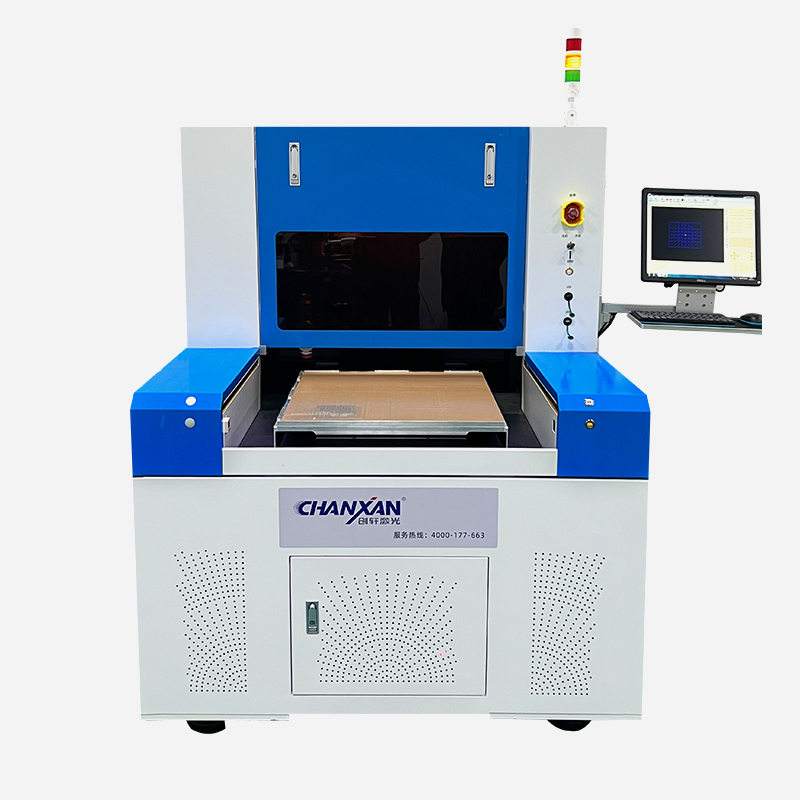
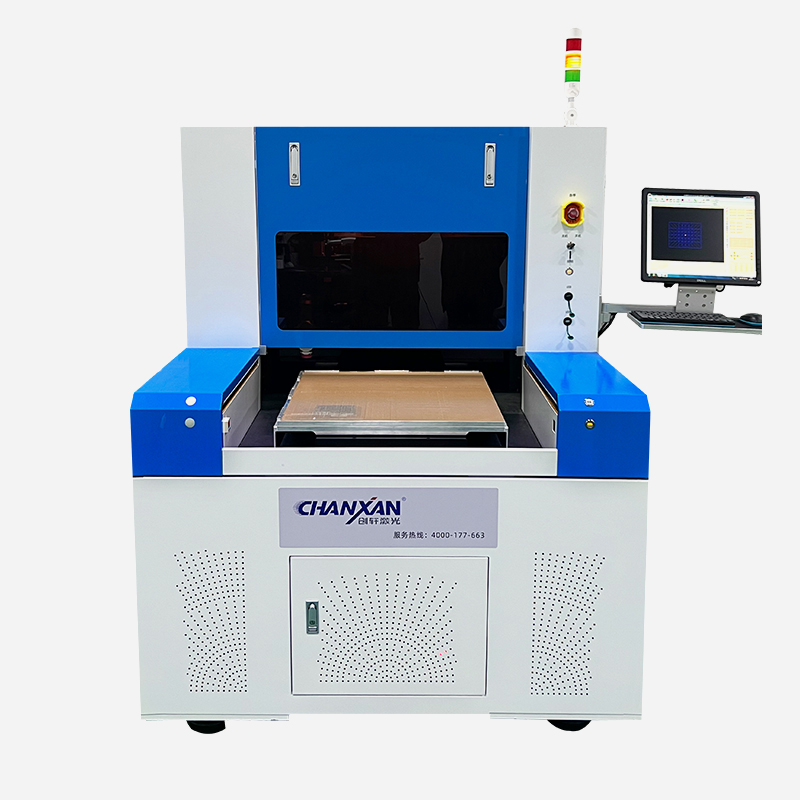
The Solution: The facility deployed Chanxan Laser's high-precision UV laser depaneling system equipped with a high-power 15W UV laser and automated CCD vision alignment.
The Outcome: The non-contact cold ablation process dropped mechanical failure rates to absolute zero. The kerf width was reduced from 1.0mm to a mere 20 microns, allowing engineers to nest components closer together, saving 14% in raw PCB material costs. Total production yield climbed safely to 99.8%, successfully clearing strict medical regulatory compliance audits.
| Free solution
Previous: How to Prevent Charring and Carbonization When Cutting FPC with Carbon Dioxide Lasers?
Next: How Ultrafast Lasers Improve Wafer Processing: Picosecond, Femtosecond, and Nanosecond Applications