
Key Words: Silicon Wafer Dicing PCB Depaneling Glass Cutting
Home > News > Industry News
【Description】:
Discover how ultrafast laser micro-perforation optimizes solid-state battery separators by lowering interfacial resistance, boosting ion transport, and suppressing dendrites.
As the energy storage industry shifts toward high-energy-density alternatives, solid-state batteries (SSBs) have emerged as the definitive successor to traditional lithium-ion technology. By eliminating liquid organic solvents, solid-state designs deliver higher energy storage, faster charging, and vastly improved safety. However, achieving seamless ion movement across solid interfaces remains a major engineering obstacle.
Enter laser micro-perforation—an advanced manufacturing technique that uses laser precision to engineer micro- and sub-micron array holes into solid-state battery separators, significantly optimizing performance at the microscopic level.
Solid-state battery separators—whether based on inorganic oxide ceramics (e.g., LLZO, LATP), sulfide compounds, or polymer-matrix composites (e.g., PEO/PVDF with inorganic fillers)—face two distinct operational challenges during cycling:
High Interfacial Resistance: Solid-to-solid contact yields a high boundary resistance, restricting lithium-ion diffusion pathways and inducing severe polarization during high C-rate operation.
Lithium Dendrite Penetration: Microscopic surface non-uniformities trigger uneven electric field gradients, leading to localized lithium accumulation and dendrite growth that can fracture brittle ceramic membranes or short-circuit polymer layers.
Traditional porous polyolefin separators rely on random chemical pore networks. Solid-state membranes require deterministic, highly controlled geometry to manage ion flux without compromising mechanical integrity.
Laser micro-perforation solves these core interface challenges by introducing structured micro-channel arrays across the separator surface:
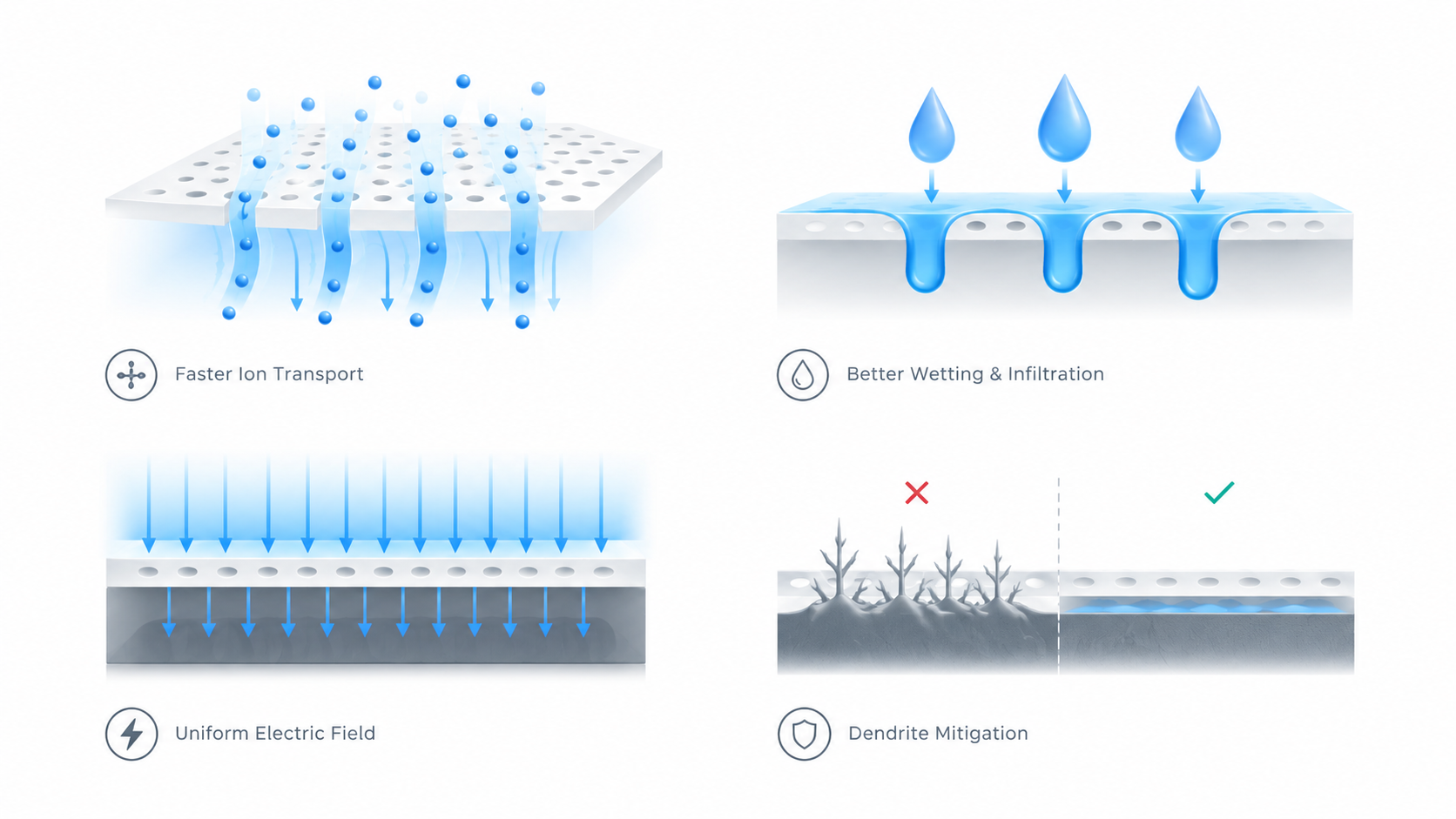
Enhanced Ion Transport Efficiency: Sub-micron perforated channels serve as high-speed pathways for lithium ions, reducing tortuosity and shortening diffusion lengths through solid interfaces.
Improved Wetting & Infiltration: For hybrid solid-state or semi-solid-state designs using localized liquid trace electrolytes, laser-perforated micropores lower surface tension, drastically improving electrolyte wetting uniformity.
Uniform Electric Field Distribution: Engineered hole arrays prevent localized current spikes, promoting smooth, homogeneous lithium deposition during rapid charge and discharge cycles.
Lithium Dendrite Mitigation: By smoothing out the ion flux and removing hot spots where lithium accumulation typically triggers short circuits, structured micro-perforation suppresses dendrite growth.
Mechanical punching or chemical etching lacks the exactness required for delicate solid-state thin films. Industrial ultrafast lasers (femtosecond and picosecond laser platforms) offer distinct manufacturing advantages:
| Feature | Mechanical / Chemical Processing | Laser Micro-Perforation |
|---|---|---|
| Precision | Micron-level limit, high tolerance | Sub-micron accuracy, ultra-clean patterns |
| Thermal Damage | Potential stress or chemical residue | Non-contact "cold processing," zero Heat Affected Zone (HAZ) |
| Flexibility | Rigid die templates | Programmable digital pattern control |
| Yield & Scalability | Tool wear causes quality drift | Consistent Roll-to-Roll (R2R) high-throughput processing |
As solid-state battery commercialization accelerates toward mass production, laser micro-perforation stands out as a critical enablement tool for next-generation energy storage. By fine-tuning separator porosity and optimizing interfacial ionic transport, ultrafast laser processing bridges the gap between lab-scale innovation and commercial scalability.
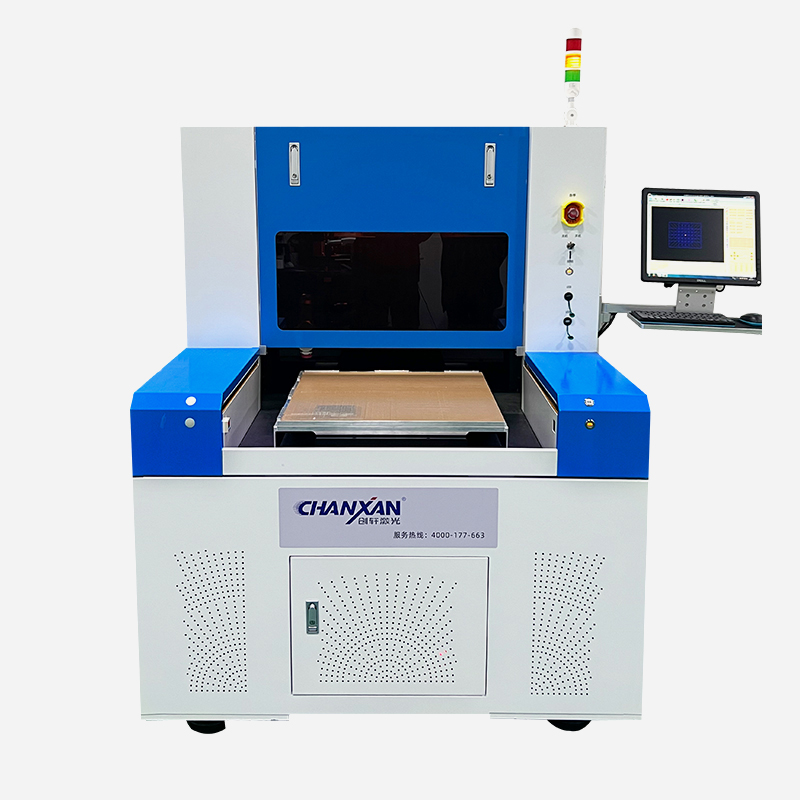
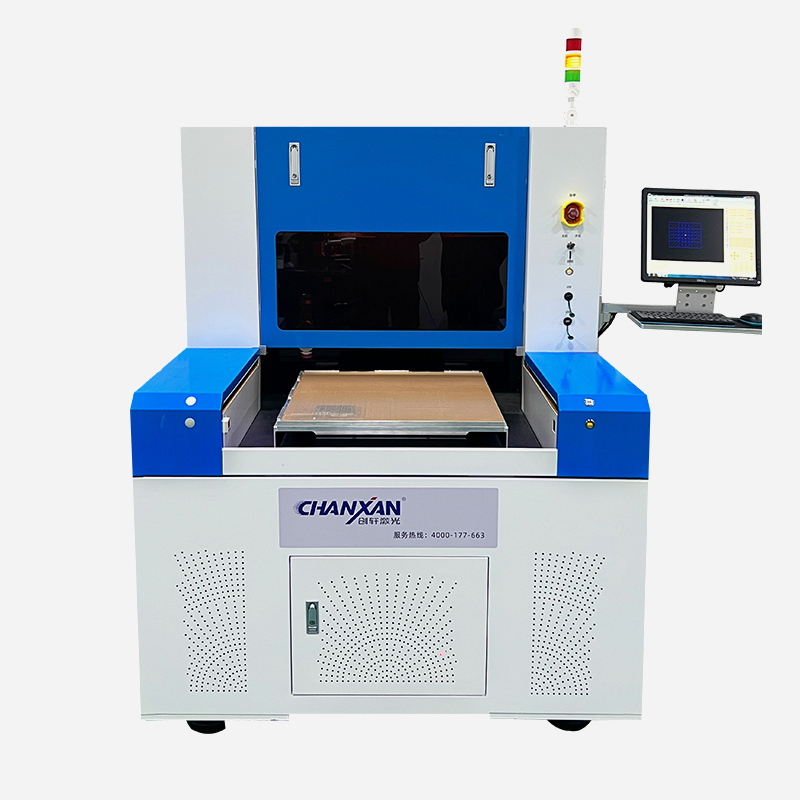
As a global provider of industrial laser micro-machining systems, Chanxan Laser offers dedicated processing equipment tailored specifically for next-generation solid-state battery separators and thin-film materials:
Ultrafast Picosecond & Femtosecond Platforms: Optical UV (355 nm) and Green (532 nm) laser sources, enabling clean cold ablation with sub-micron precision and zero heat-affected zone (HAZ) on delicate polymer and ceramic membranes.
| Free solution
Previous: How Laser Precision Transforms Solid Battery Separators via Micro-Perforation
Next: Laser Drilling for Solid‑State Battery Separators: A Practical Guide