
Key Words: Silicon Wafer Dicing PCB Depaneling Glass Cutting
Home > News > Industry News
【Description】:
Explore the 5 key applications of laser processing in semiconductor manufacturing, covering wafer dicing, laser drilling, micromachining, marking, and trimming.
Semiconductors power the modern world. Almost every advanced technology depends on chips. Smartphones, AI computing, electric vehicles, industrial automation, medical devices, and consumer electronics all require semiconductor components.
At the same time, chip designs are becoming more advanced. Devices are now smaller, faster, and more powerful. Semiconductor manufacturers must process thinner wafers, harder materials, and increasingly complex structures.
To meet these requirements, semiconductor manufacturing technologies continue to evolve. Traditional processing methods still play a major role. However, many manufacturers are increasingly adopting semiconductor laser processing to improve precision and production efficiency.
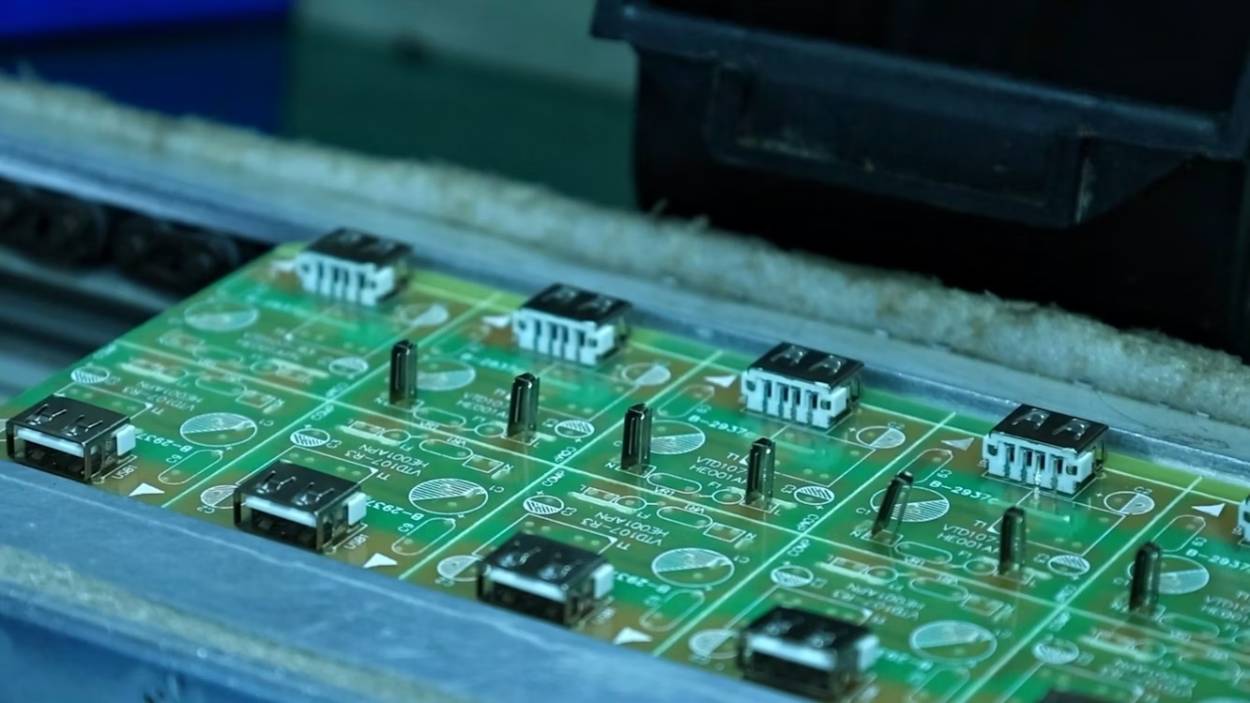
Before laser technology became widely used, semiconductor manufacturing relied mainly on mechanical, chemical, and plasma-based processing methods.
Many of these technologies are still essential today. For example, semiconductor microstructures are typically created through photolithography, plasma etching, thin-film deposition, and chemical mechanical polishing (CMP). These methods are highly effective for building nanoscale circuit patterns and remain the foundation of semiconductor fabrication.
However, physical processing tasks present a different challenge. Processes such as wafer cutting, micro-hole formation, chip marking, and circuit trimming have traditionally depended on mechanical tools or chemical methods.
For wafer separation, manufacturers have long used diamond blade dicing. A high-speed blade cuts along wafer streets to separate chips. While effective for conventional semiconductor production, this method may create edge chipping, micro-cracks, particle contamination, and mechanical stress. These problems become more severe when processing ultra-thin wafers, silicon carbide (SiC), gallium nitride (GaN), and sapphire substrates, which are harder and more brittle than traditional silicon.
Traditional marking and trimming methods also have limitations. Before laser systems became common, manufacturers often used ink printing for chip identification and mechanical trimming for resistor adjustment. While functional, these methods may introduce contamination risks and struggle to meet the precision demands of highly miniaturized semiconductor devices.
As chip structures continue to shrink and advanced materials become more common, manufacturers increasingly need cleaner, more precise, and non-contact processing solutions.
This is where laser technology offers clear advantages.
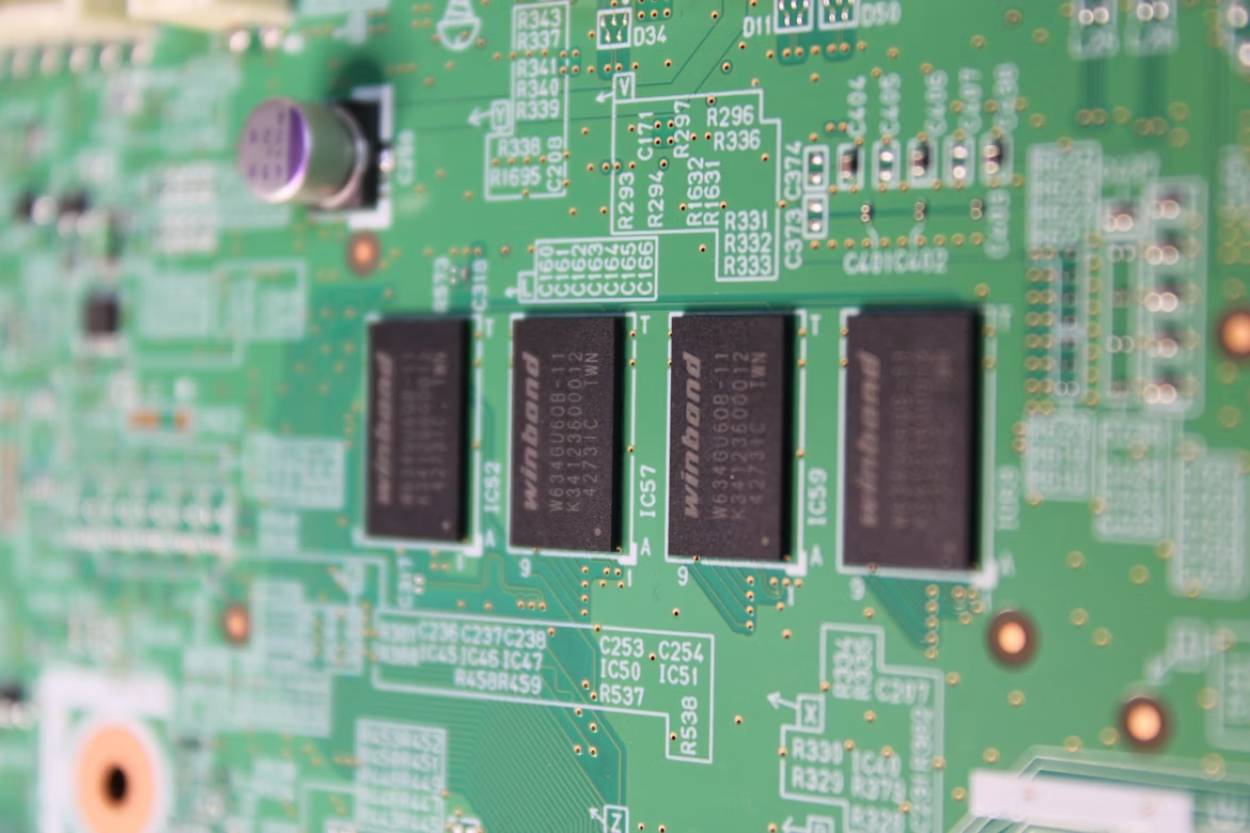
Laser processing does not replace the entire semiconductor manufacturing process. Instead, it improves critical manufacturing stages where traditional methods face limitations.
One major advantage is non-contact processing. Lasers work without physical contact, reducing mechanical stress and eliminating tool wear. This is especially valuable for fragile semiconductor materials.
Laser systems also provide high precision, achieving micron-level and even sub-micron accuracy for increasingly miniaturized chip structures.
Another key benefit is minimal thermal damage. Ultrafast technologies such as picosecond and femtosecond lasers enable so-called cold processing, reducing cracks, burrs, heat-affected zones, and material deformation.
In addition, laser systems are well-suited for difficult materials commonly used in modern semiconductors, including silicon carbide (SiC), gallium nitride (GaN), sapphire, glass, and ceramics.
Because of these advantages, laser processing is becoming an essential technology in semiconductor manufacturing.
Laser technology supports multiple stages of semiconductor production.
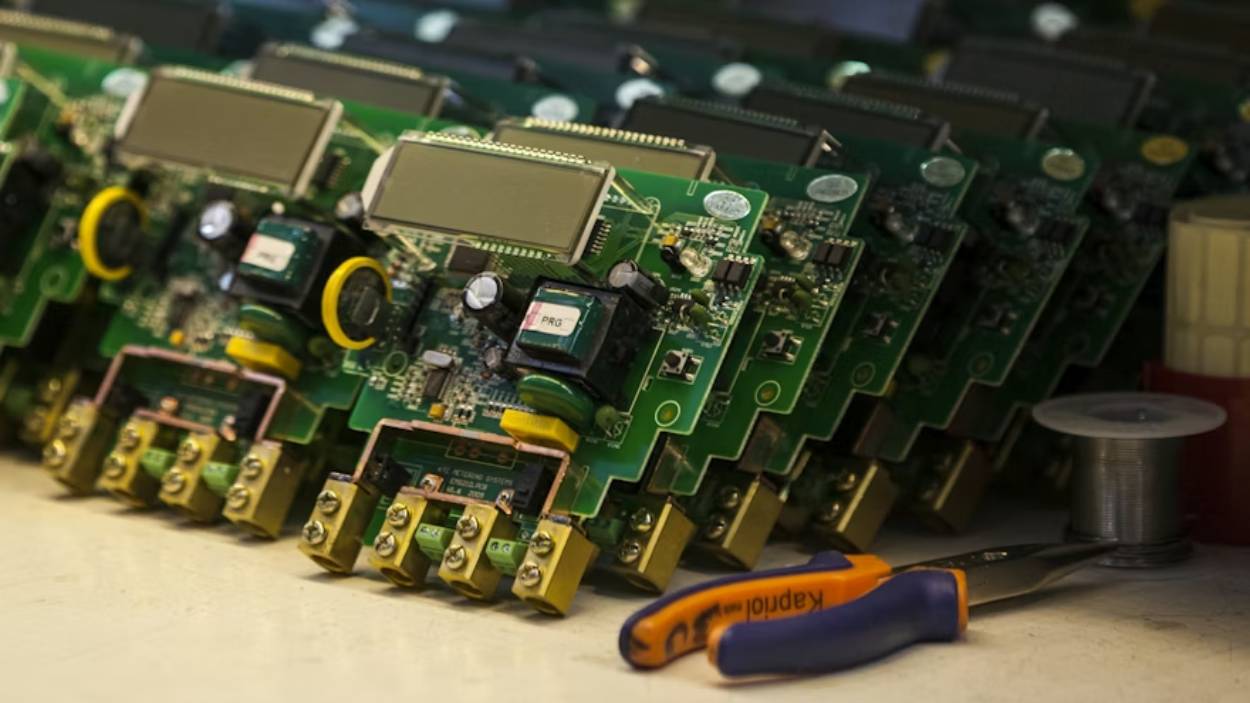
Wafer dicing is one of the most important laser applications.
Compared with mechanical blade cutting, laser wafer dicing offers:
Higher precision
Cleaner edges
Less chipping
Reduced mechanical stress
Laser dicing is widely used for:
Silicon wafer cutting
SiC wafer dicing
GaN wafer processing
Sapphire cutting
Glass substrate separation
Ultrafast lasers are especially suitable for thin and fragile wafers.
Laser drilling supports high-precision micro-hole formation.
Applications include:
Through-silicon vias (TSVs)
Micro-via drilling
Ceramic substrate drilling
Advanced semiconductor packaging
Compared with traditional drilling methods, laser systems enable cleaner processing and higher flexibility.
Miniaturization increases demand for precision microfabrication.
Laser micromachining supports:
MEMS manufacturing
Sensor fabrication
Micro-patterning
Thin-film processing
Semiconductor substrate structuring
Femtosecond lasers are especially valuable for delicate structures because they minimize thermal damage.
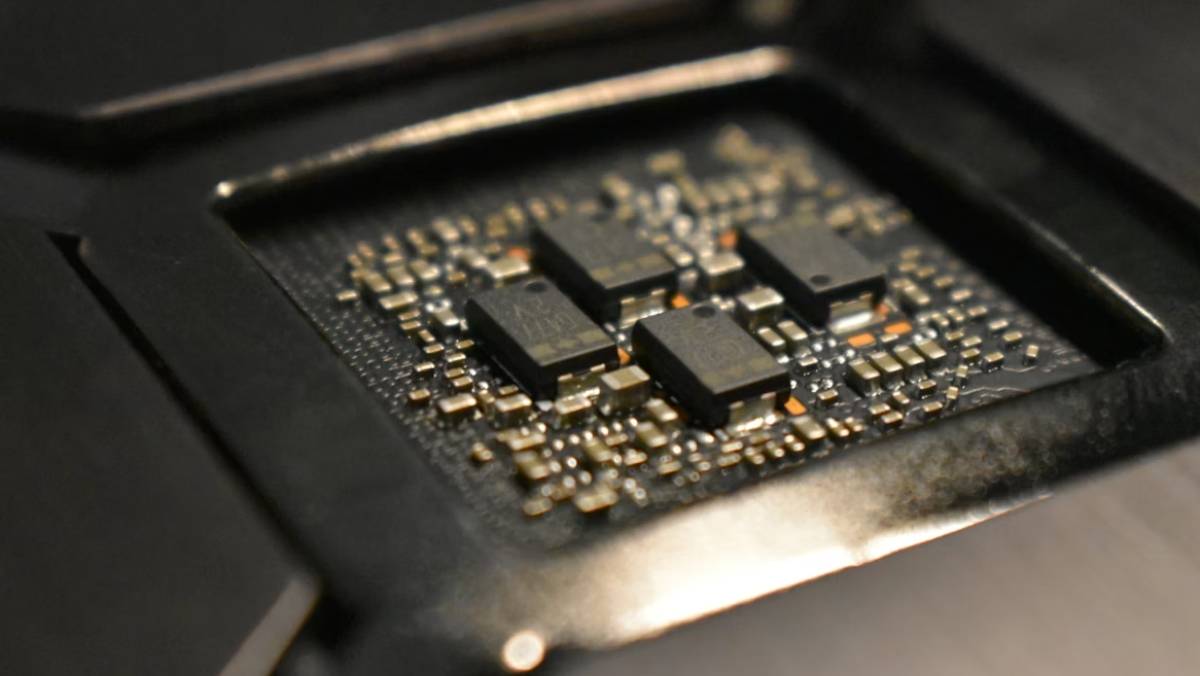
Semiconductor manufacturers require permanent identification systems.
Laser marking enables:
QR codes
Batch numbers
Wafer tracking
Product traceability
Compared with ink printing, laser marking is cleaner and more durable.
Laser trimming improves circuit accuracy.
Manufacturers use it to fine-tune:
Thin-film resistors
Analog semiconductor components
Precision electronic circuits
This helps improve product consistency and electrical performance.
The semiconductor industry continues to evolve. Growing chip demand, advanced materials, and shrinking device structures are creating new manufacturing challenges.
Traditional semiconductor processes such as lithography, etching, and mechanical cutting remain essential. However, many conventional methods face limitations when dealing with fragile materials, ultra-thin wafers, and precision micromachining.
Laser systems improve precision, reduce defects, and support higher production efficiency. As semiconductor manufacturing moves forward, ultrafast laser technology is expected to play an increasingly important role.
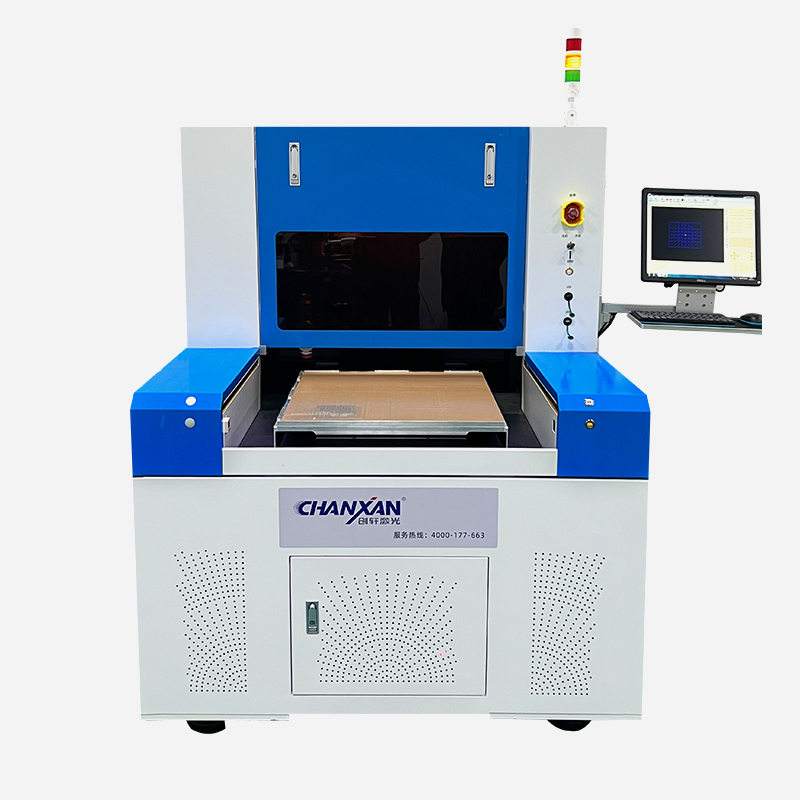
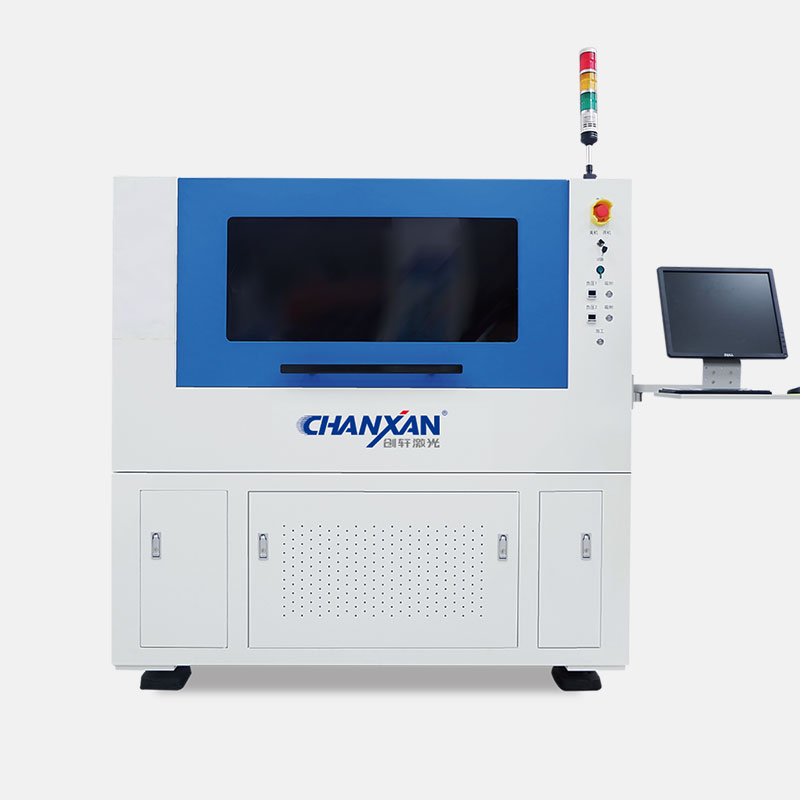
Looking for advanced laser solutions for semiconductor manufacturing? Chanxan ultrafast laser systems can support wafer cutting, semiconductor micromachining, advanced packaging, and other precision applications with superior accuracy and minimal thermal damage.
| Free solution
Previous: Laser Processing in PCB and FPC Manufacturing: Key Applications for Precision Electronics
Next: Ultrafast Laser Solutions for Precision Electronics Manufacturing