



1. Introduction: The Ultrafast Laser Dilemma
Through‑Glass Vias (TGVs) are the enabling feature of glass interposer technology. Creating a TGV – a high‑aspect‑ratio, crack‑free, smooth‑walled hole through brittle glass – demands a laser source capable of cold ablation: removing material before heat can diffuse and cause damage.
Both picosecond (ps) and femtosecond (fs) lasers fall into the ultrafast laser category, and both are capable of producing high‑quality TGVs. This leads to a common question among engineers and production managers: "If both can do the job, which one should I choose for my TGV production line?" The answer depends entirely on your production volume, quality requirements, and capital budget.
2. The Physics – A Brief Primer
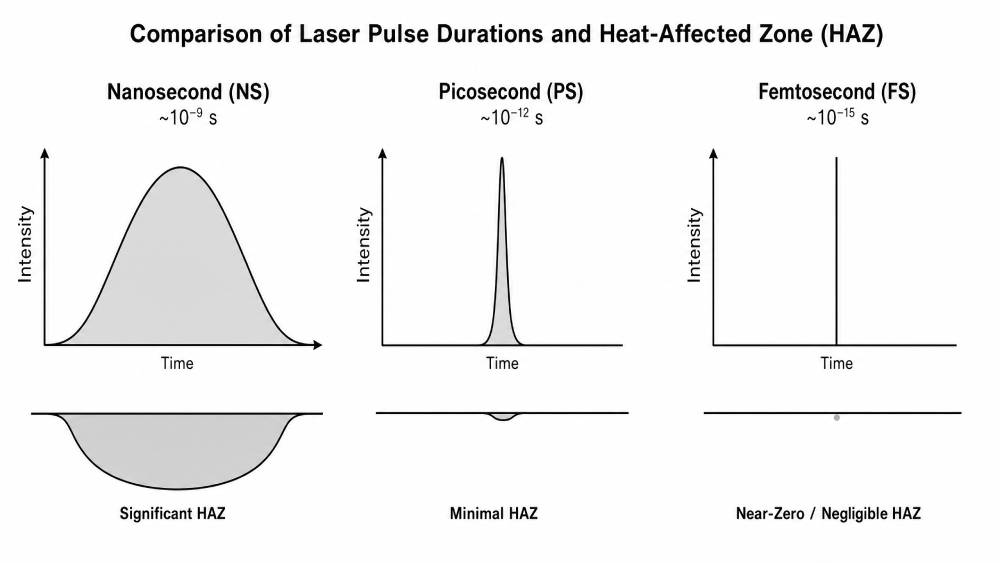
Both ps and fs lasers remove material via nonlinear absorption (multi‑photon ionisation) rather than thermal melting. However, the pulse duration affects the heat diffusion length:
Picosecond laser (1 ps = 10⁻¹² s): The pulse is short enough to suppress significant heat diffusion into the surrounding glass. The heat‑affected zone (HAZ) is typically <1–2 µm.
Femtosecond laser (1 fs = 10⁻¹⁵ s): The pulse is even shorter – three orders of magnitude faster than ps. The HAZ is practically zero (<0.1 µm), and the ablation is purely photomechanical, with virtually no thermal component.
In theory, femtosecond lasers produce the absolute highest quality vias. In practice, however, industrial TGV manufacturing is governed by more than just theoretical edge quality.
3. Head‑to‑Head Comparison – Picosecond vs. Femtosecond for TGV
| Parameter | Picosecond Laser (ps) | Femtosecond Laser (fs) | Practical Verdict |
|---|---|---|---|
| Ablation mechanism | Cold ablation (minimal heat diffusion) | Ultra‑cold ablation (virtually zero heat diffusion) | Both are "cold" – fs is slightly colder, but ps is already cold enough for glass. |
| Sidewall roughness (Ra) | <0.5 µm (achievable with optimised parameters) | <0.2 µm (extremely smooth) | fs is technically superior, but ps meets the <0.5 µm requirement for barrier layer deposition. |
| Micro‑crack risk | Extremely low – zero with correct tuning | Virtually zero | Both eliminate micro‑cracks in glass. |
| Processing speed (throughput) | High – typical 100–500 vias/second | Low – typically 5–20 vias/second | ps is 5–10× faster – critical for volume production. |
| Average power | 10–30 W (commercially available) | 1–10 W (limited by gain medium) | ps delivers much higher power for faster material removal. |
| Pulse energy | 10–50 µJ (sufficient for efficient ablation) | 1–10 µJ (lower, requiring more passes) | ps removes more material per pulse. |
| Equipment cost | Moderate – established supply chain | High – more complex optics, higher maintenance | ps is significantly more affordable. |
| Operating cost | Lower – longer component life, stable output | Higher – frequent alignment, shorter lifetime of optical parts | ps is cheaper to run. |
| Industrial adoption | High – dominant in high‑volume TGV lines | Growing – mostly R&D and niche applications | ps is the proven production standard. |
| Maturity | Mature – robust, reliable, field‑proven | Emerging – still evolving for high‑power industrial use | ps has a decade of production data. |
| Typical glass thickness | 100–1000 µm (handles thick glass well) | 100–500 µm (struggles with very thick glass due to low energy) | ps handles thicker panels more efficiently. |
| Aspect ratio capability | Up to 15:1 (industrial) | Up to 10:1 (practical, due to energy limitations) | ps supports higher aspect ratios. |
4. Where Femtosecond Lasers Truly Excel (The Niche)
The industrial manufacturing environment demands repeatability, uptime, and cost‑per‑via. Here is why ps lasers are the dominant choice:
| Factor | How Picosecond Lasers Deliver |
|---|---|
| Throughput | With higher average power (20–30 W) and higher repetition rates (500–1000 kHz), ps lasers can drill TGVs 5–10 times faster than fs systems. For a panel with 10,000 vias, this translates to minutes vs. hours. |
| Cost per via | Lower capital investment + higher throughput = significantly lower cost per drilled hole. This is the single most important metric for high‑volume production. |
| Reliability | Picosecond laser technology has been refined over 15+ years of industrial use. Components are robust, cooling systems are efficient, and maintenance schedules are predictable. |
| Process window | Ps lasers offer a wider tuning range – engineers have more flexibility to adjust pulse energy, repetition rate, and scan speed to optimise for different glass types and thicknesses. |
| Integration | Ps laser systems are readily available with industry‑standard galvo scanners, beam delivery optics, and automation interfaces – making them easy to integrate into existing production lines. |
In major advanced packaging foundries and OSATs (Outsourced Semiconductor Assembly and Test) that have moved into glass interposers, picosecond UV lasers are the primary – and often the only – drilling tool. Femtosecond lasers are predominantly found in university labs and corporate R&D centres.
5. Practical Process Comparison – Production Floor Reality
Let us consider a concrete example: drilling 100 µm diameter through‑vias in a 300 µm thick glass panel.
| Process Metric | Picosecond Laser | Femtosecond Laser |
|---|---|---|
| Pulse energy | 20 µJ | 8 µJ |
| Number of passes | 15–20 | 40–60 |
| Drilling time per via | 0.5–1 second | 3–5 seconds |
| Sidewall roughness | Ra 0.3–0.5 µm | Ra 0.1–0.2 µm |
| Taper angle | <2° | <1° |
| Throughput (vias/hour) | 3,000–7,000 | 700–1,200 |
| Surface cleaning required | Standard (ultrasonic + mild etch) | Minimal (often only ultrasonic) |
Interpretation: The picosecond laser produces vias that are perfectly acceptable for metallisation (barrier + copper plating) at 5× the speed. The femtosecond laser produces slightly smoother vias but at a fraction of the throughput – and the smoother walls do not significantly improve copper fill reliability in a well‑optimised ps process.
The above data are representative for a moderate aspect ratio (3:1) scenario. As the aspect ratio increases beyond 10:1 (e.g., 50 µm diameter in 500 µm glass), the gap in throughput between ps and fs lasers widens, and the number of passes for both sources must be increased proportionally.
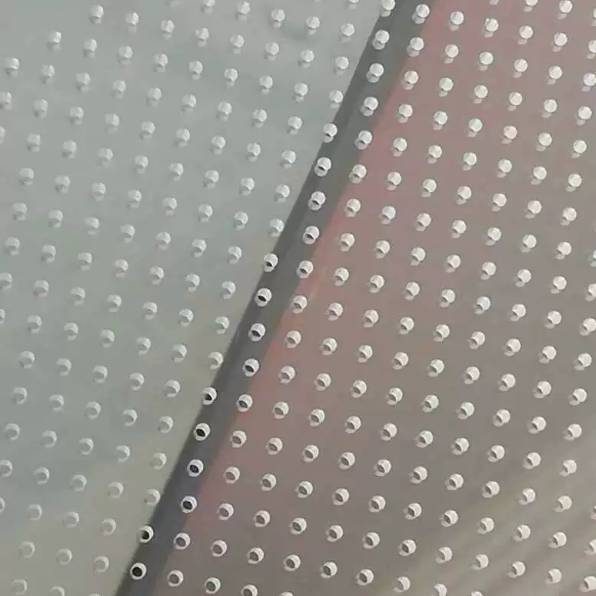
6. Quality Assurance – Can You Tell the Difference in the Final Product?
This is the most important question for a production manager: "Will my customer see a difference between a ps‑drilled TGV and an fs‑drilled TGV after metallisation and electrical testing?"
In the vast majority of cases – no. Once the via is:
Cleaned (debris removed),
Coated with a barrier layer (Ti/Cr),
Filled with copper (electroplating),
Planarised by CMP,
the original sidewall roughness differences are effectively masked by the metallisation layers. Electrical performance (resistance, capacitance, signal integrity) is virtually identical for ps and fs drilled vias when both are properly processed.
The deciding factor becomes cost and throughput – not the last 0.2 µm of sidewall smoothness.
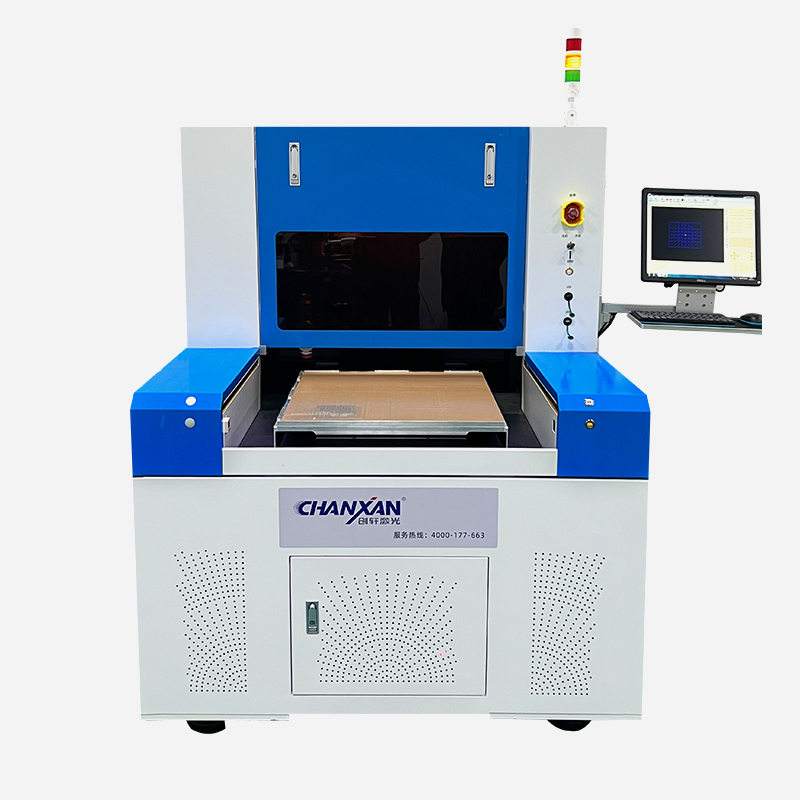
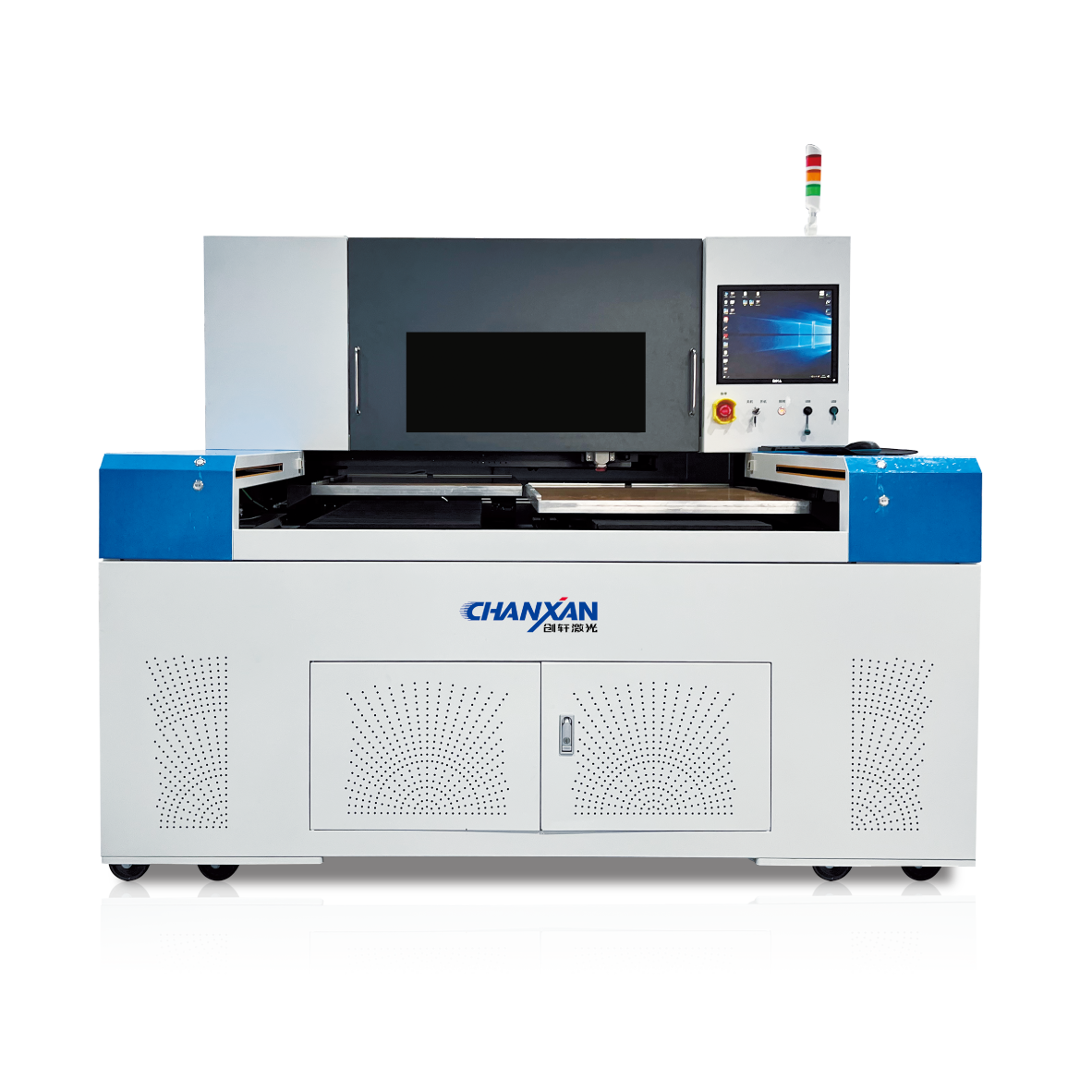
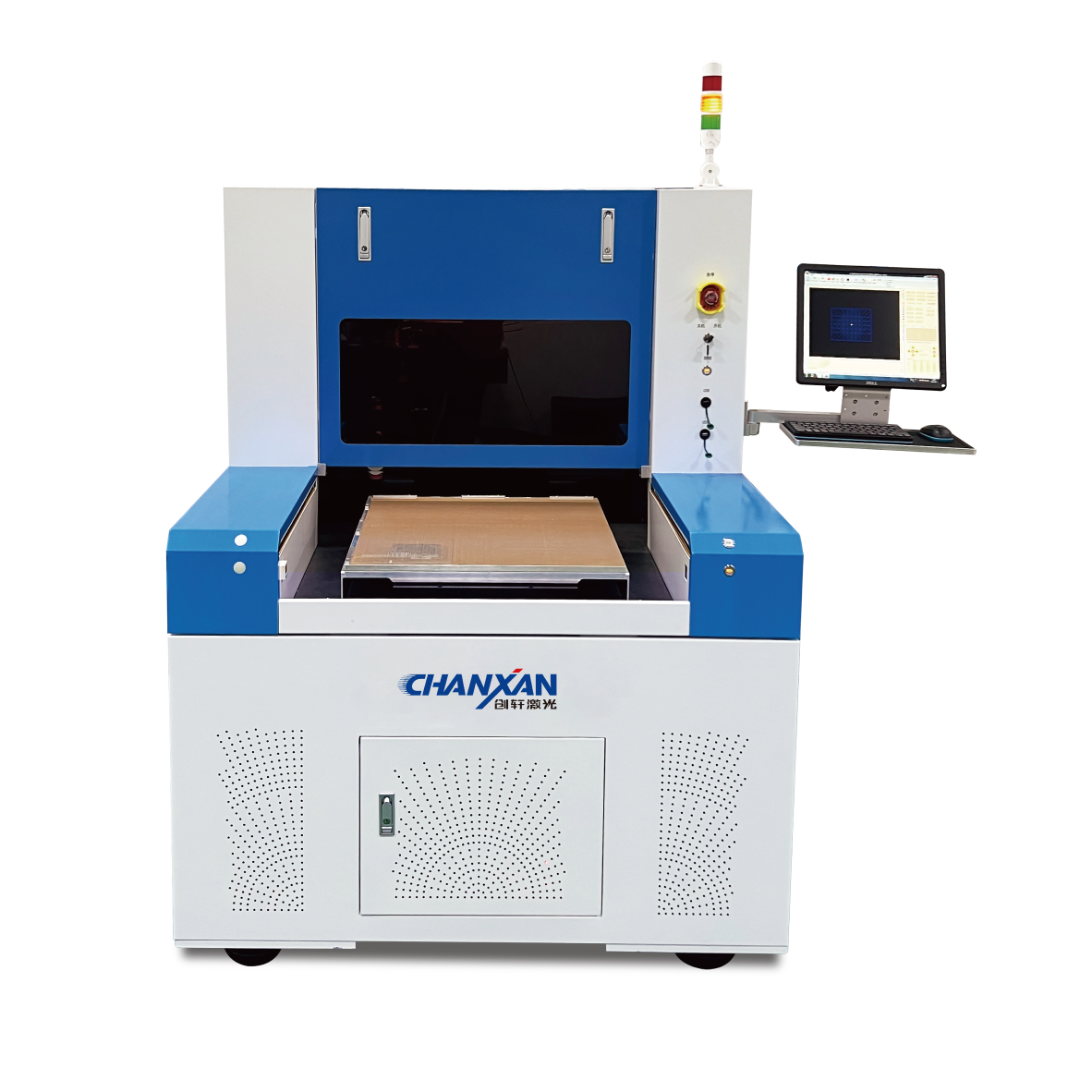
7. The Chanxan Laser – Built for Industrial Volume
At Chanxan, we have evaluated both picosecond and femtosecond technologies extensively for TGV drilling. Our conclusion aligns with the industry consensus:
Chanxan Picosecond Laser System is designed specifically to meet the demands of high‑volume TGV production:
UV wavelength (355 nm) – ensures strong nonlinear absorption in all common glass types (borosilicate, alkali‑free, fused silica).
<10 ps pulse duration – delivers cold ablation with zero micro‑cracks and sidewall roughness consistently <1 µm.
High average power and high repetition rate – enables drilling speeds 5× faster than typical fs systems.
Advanced trepanning and spiral drilling software – with dynamic Z‑axis focus tracking for vertical, low‑taper vias.
Integrated debris management – with adjustable nitrogen assist gas and vacuum extraction for clean, ready‑to‑metallise vias.
Multi‑function capability – the same platform can perform fiducial marking, grooving, dicing, and glass thinning, offering a complete glass‑processing solution.