
Key Words: Silicon Wafer Dicing PCB Depaneling Glass Cutting
Home > News > Industry News
【Description】:
This article introduces how UV picosecond laser cutting solves common FPC flexible PCB processing defects, explains core advantages of cold laser processing, key process parameters and extended applications on flexible electronic materials.
UV picosecond laser cutting technology has become the core precision processing solution for FPC flexible printed circuit boards.It addresses common defects of traditional die‑cutting such as burrs, edge carbonization and thermal deformation,meeting strict high‑quality manufacturing demands in flexible electronics industry.
Directly match your workpiece: FPC, Polyimide (PI) Film, Coverlay, LCP, and Flexible OLED. Zero thermal ablation, sub‑5μm HAZ, and optical‑grade edge clarity.
FPC Multilayer (Pass) PI Film 12.5‑125μm (Pass) Pure Acrylic Cover Film (Pass) High‑Freq LCP (Pass) OLED Thin Polarizer (Pass)
FPC is a typical flexible multilayer electronic material widely used in consumer electronics, automotive electronics and aerospace industries.Conventional mechanical die‑cutting often causes edge burrs, substrate warping, interlayer delamination and thermal damage during mass production.These flaws will directly affect electrical performance, reliability and service life of finished flexible circuit products.
UV picosecond laser adopts cold photochemical ablation mechanism with ultra‑short pulse and extremely tiny heat‑affected zone.It realizes non‑contact cutting without mechanical extrusion stress on flexible substrates.
Clean and smooth cutting edge, free of burrs and carbonization
No thermal deformation or substrate warping for ultra‑thin FPC and PI film
High dimensional accuracy for complex contours, slots and micro holes
No custom die required, ideal for rapid prototype and small‑batch mass production
Even with high‑performance UV picosecond laser source, improper parameter configuration may still introduce thermal damage to FPC materials.Pulse energy density, scanning speed, galvanometer control and assist gas parameters need tuning according to different FPC thickness, copper layers and coverlay structures.Our CCD vision alignment system guarantees precise positioning and consistent cutting quality in continuous manufacturing.
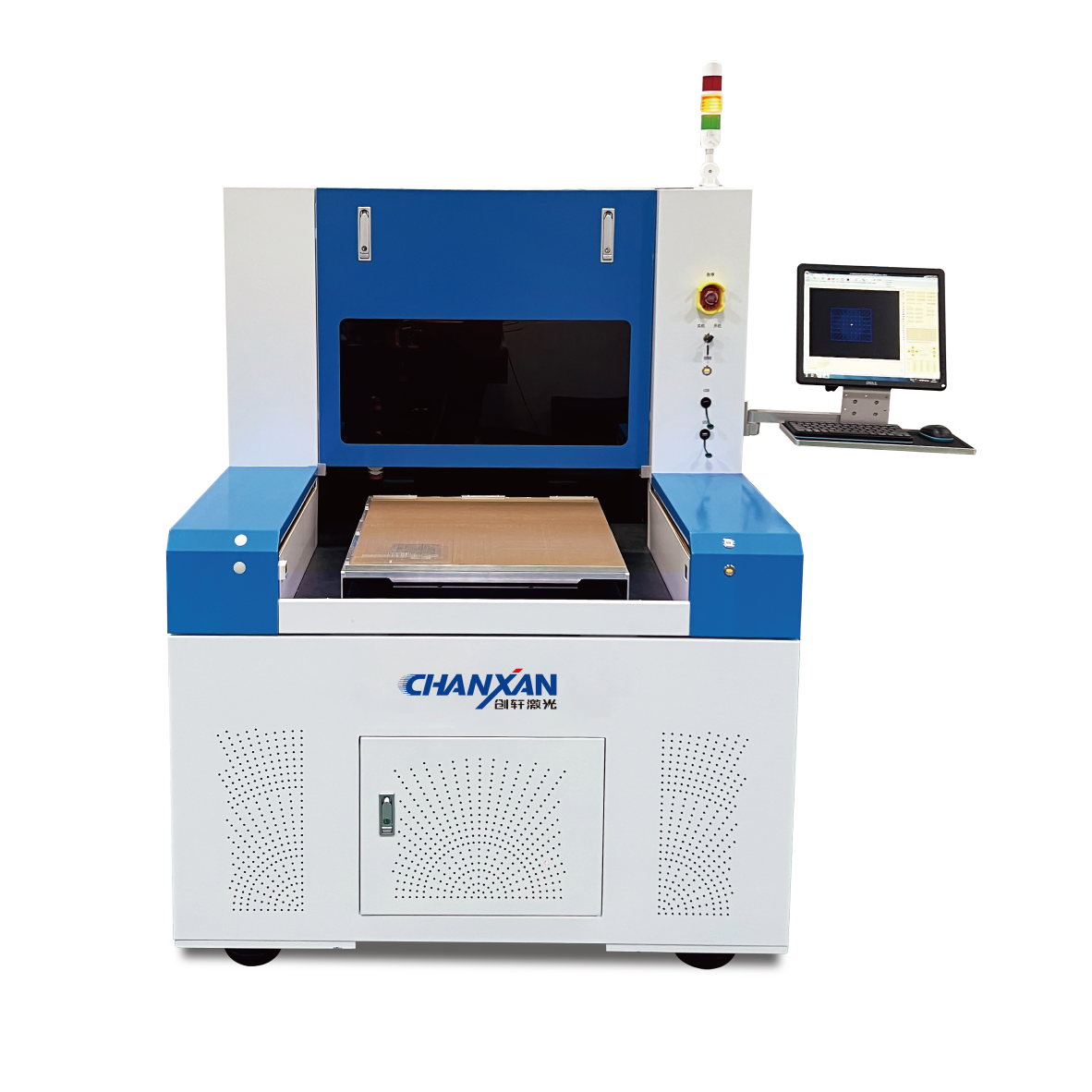
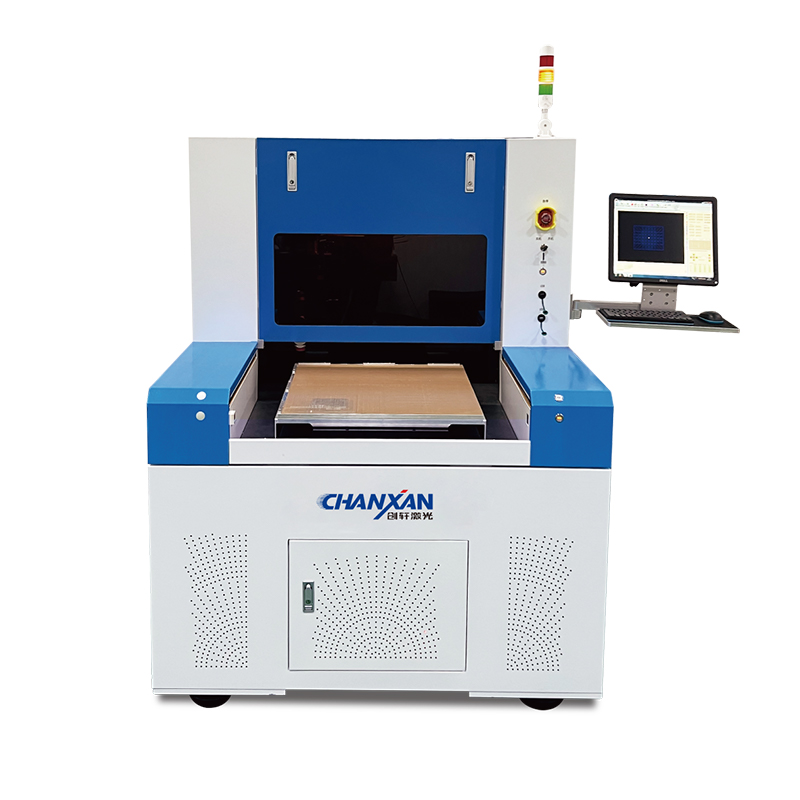
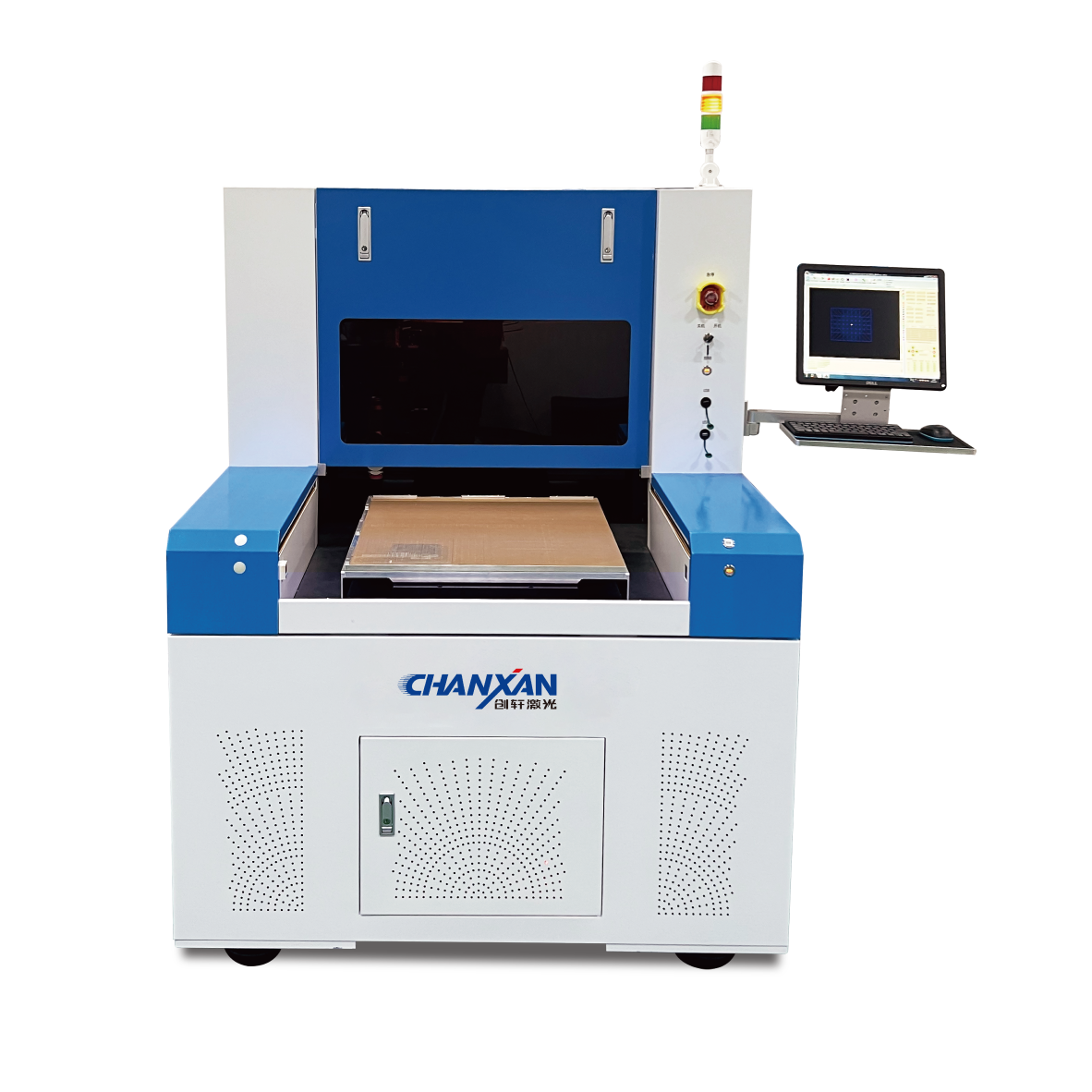
Beyond FPC flexible circuit boards, this UV picosecond laser system supports processing for PI heating film, coverlay, LCP and flexible OLED polarizer. One machine meets multiple precision cutting requirements for flexible electronics production lines. Learn more about our UV picosecond laser cutting machinefor full technical specifications and material processing cases.
| Material | Typical Thickness | UV Picosecond Laser Process Recommendation | Expected Result |
|---|---|---|---|
| FPC | 25–200μm | Low thermal budget | Clean edge, minimal delamination |
| PI Film | 12.5–125μm | Controlled fluence | Burr‑free, low HAZ |
| Coverlay | 25–50μm | Precise energy | Stable contour cutting |
| LCP | 50–300μm | Optimized speed | Reduced edge roughness |
| OLED Polarizer | 20–100μm | Low stress | Clear cutting, no heat damage |
UV picosecond laser cutting provides reliable and high‑efficiency alternative to traditional die‑cutting for FPC manufacturing.It solves typical production pain points such as burrs, thermal damage and dimensional instability.For flexible electronics manufacturers with frequent design revisions, laser processing delivers both high precision and flexible production capability.
Chanxan Laser designs and manufactures ultra‑short pulse UV laser systems for flexible electronics precision machining.Our UV picosecond laser equipment achieves clean contour cutting, profiling and micro drilling on FPC, PI film and other heat‑sensitive polymer materials.We offer machine solutions, process testing and technical support for global electronics manufacturers.
Contact our engineering team to get a tailored UV picosecond laser solution for your workpiece.
Contact to Get a Consultation| Free solution
Previous: UV Nanosecond Lasers for PI Heating Film Precision Cutting
Next: UV Nanosecond Lasers for PI Heating Film Precision Cutting