
Key Words: Silicon Wafer Dicing PCB Depaneling Glass Cutting
Home > News > Industry News
【Description】:
Learn what a PV backsheet membrane is, its key functions in solar modules, multi-layer polymer structures (TPF, KPK, CPC), and high-precision laser slitting solutions.
As the global solar energy industry accelerates toward higher power output and longer operational lifespans, photovoltic (PV) module durability has become a core focus for manufacturers and field developers. A typical solar panel is expected to operate continuously in outdoor environments for 25 to 30 years under extreme weather, ultraviolet (UV) radiation, and thermal cycling.
At the heart of this long-term reliability is the PV backsheet membrane —a multi-layered protective film positioned on the rear side of single-glass solar modules. While often invisible to end users, the performance and material structure of the backsheet directly dictate a module's moisture barrier efficiency, electrical insulation, and resistance to environmental degradation.
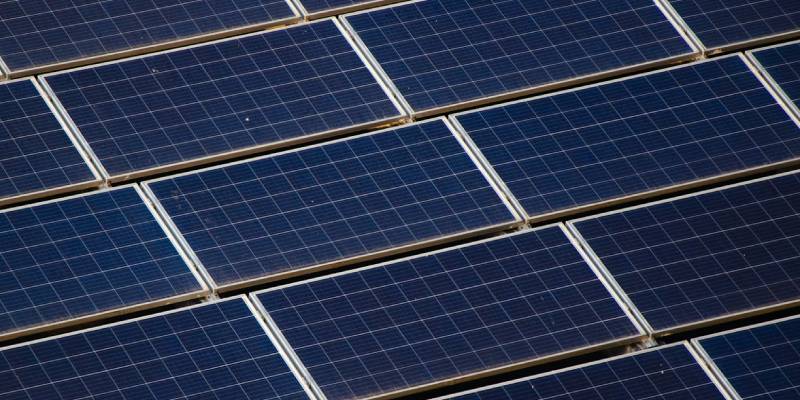
A PV backsheet membrane is an engineered, multi-layer polymer composite film laminated onto the back of a solar module. It serves as the primary barrier separating sensitive solar cells and internal copper interconnects from harsh outdoor elements.
Standard backsheet designs feature a three-layer sandwich construction optimized for specific environmental and mechanical stresses:
Outer Air-Side Layer: Exposed directly to the atmosphere, this layer requires high UV resistance, weatherability, and resistance to sand abrasion and chemical pollution (e.g., PVF, PVDF, or specialized FEVE coatings).
Middle Core Layer: Typically made of biaxially oriented polyethylene terephthalate (PET), this thicker layer provides structural rigidity, mechanical strength, and electrical breakdown insulation.
Inner Cell-Side Layer: Bonded directly to the encapsulant (EVA or POE film), this layer features high adhesion strength, hydrolysis resistance, and high optical reflectivity to bounce unabsorbed light back into the solar cell.
The backsheet plays several critical roles in securing module longevity, power conversion efficiency, and operational safety:
Electrical Insulation & High Voltage Safety: Prevents electrical leakage from internal circuits to the aluminum frame or mounting structure, ensuring safety under high system voltages (up to 1000V or 1500V DC).
Moisture & Gas Barrier Protection: Blocks water vapor ingress. Moisture penetration inside a solar cell matrix leads to EVA yellowing, busbar corrosion, and potential-induced degradation (PID).
Optical Reflection & Power Gain: Highly reflective white backsheets bounce transmitted sunlight back into the silicon wafer, increasing light absorption and boosting total module power output by 1% to 3%.
Mechanical Protection & Dimensional Stability: Protects solar cells against mechanical shocks, hail impacts, and thermal contraction/expansion stresses encountered during shipping and installation.
Depending on environmental requirements and cost considerations, manufacturers utilize different polymer combinations for backsheet production:
| Backsheet Type | Material Structure | Key Performance Characteristics |
|---|---|---|
| Double-Sided Fluoropolymer (e.g., TPF, KPK) | Fluoro-film / PET / Fluoro-film | Maximum UV, hydrolysis, and chemical resistance; ideal for extreme climates. |
| Single-Sided Fluoropolymer (e.g., TPE, KPE) | Fluoro-film / PET / Polyolefin (PE) | Balances cost and weatherability; widely adopted for standard ground-mounted utility sites. |
| Coated Fluoropolymer (e.g., CPC) | FEVE Coating / PET / FEVE Coating | Excellent inter-layer adhesion, low thermal stress, and cost-efficient processing. |
| Non-Fluoropolymer (PET-Based) | Modified PET / PET / Modified PET | Eco-friendly and recyclable; suitable for mild climates and budget-conscious projects. |
Because backsheets are tough composite films combining rigid PET with elastic fluoropolymers, high-precision processing during module manufacturing is vital:
Busbar Lead-Out Slotting: Backsheets require clean, accurate openings or slitting lines for inter-cell copper busbars to route into junction boxes.
Burr-Free Clean Edges: Mechanical cutting can cause micro-delamination or edge fraying along the composite layers. Contactless laser slitting and micro-processing ensure smooth, burr-free edges, maintaining strict dielectric breakdown standards.
Roll-to-Roll (R2R) Integration: Modern automated production lines integrate high-speed dynamic tracking to score or cut backsheet rolls on the fly without stopping web movement.
As a core protective component of photovoltaic modules, the backsheet membrane safeguards internal solar cells against electrical faults, thermal stress, and moisture damage. Selecting high-quality backsheet materials and utilizing non-damaging precision processing equipment are fundamental steps to achieving 25+ year outdoor reliability in commercial solar installations.
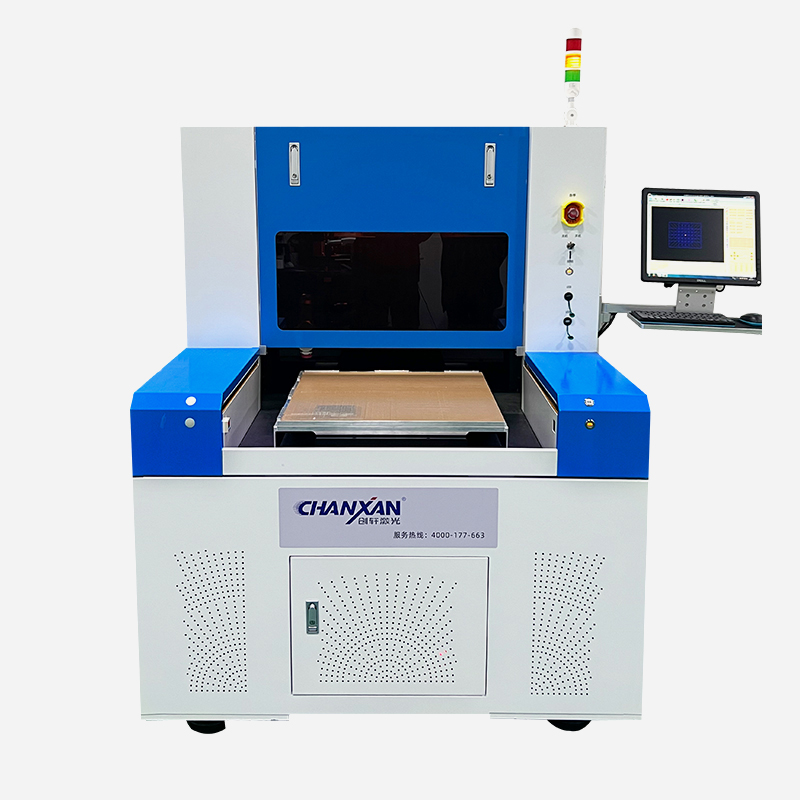
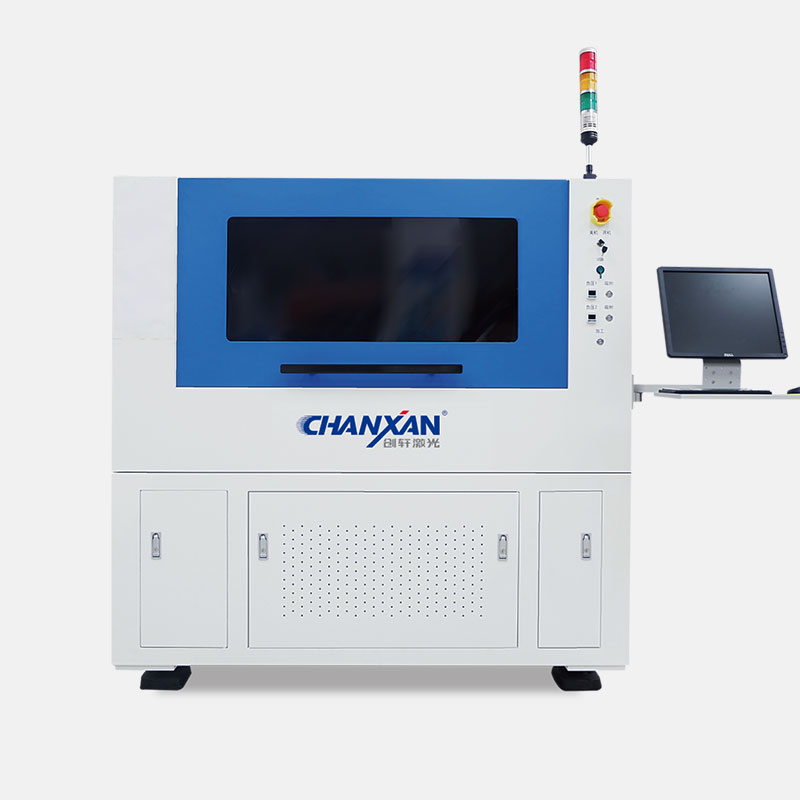
As a specialist in precision laser micro-machining, Chanxan Laser offers high-performance laser slitting and processing equipment for photovoltaic polymer films and backsheet membranes. Designed for continuous industrial automation, Chanxan Laser systems deliver burr-free, non-contact cutting to support high-efficiency solar module manufacturing.
| Free solution
Previous: Non-Contact Laser Processing for Solar Backsheet Membranes
Next: Boosting Battery Yields: How Laser Micro-Machining Reduces Defect Rates in Separator Production