
Key Words: Silicon Wafer Dicing PCB Depaneling Glass Cutting
Home > News > Industry News
【Description】:
Explore how FPC laser cutting compares with die cutting and routing in flexible PCB manufacturing. Learn how non-contact laser processing improves edge quality, precision, production flexibility, and long-term efficiency for smartphones, automotive electronics, and medical devices.
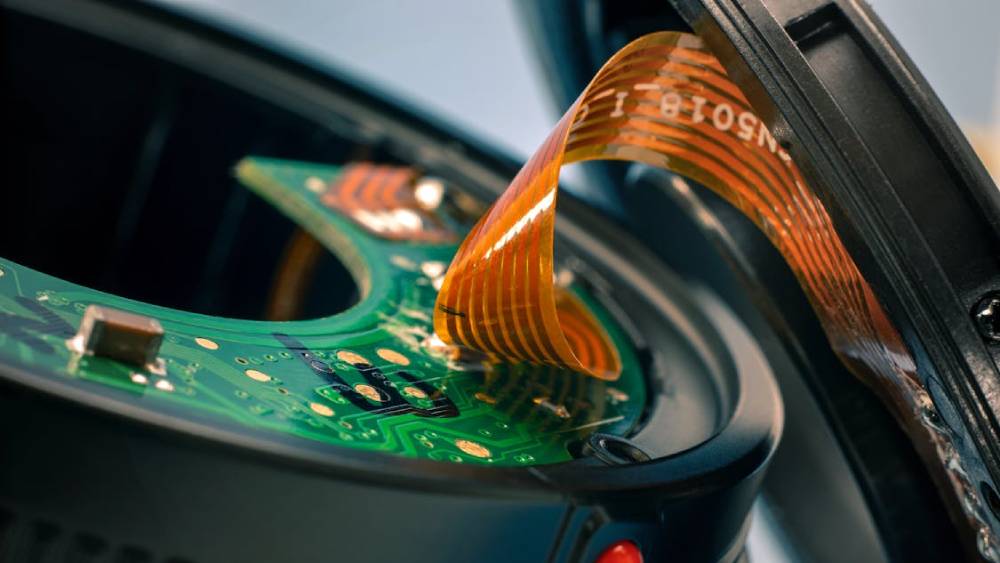
FPC (Flexible Printed Circuit), also known as a flexible PCB, is a lightweight and bendable circuit used to connect and transfer signals inside electronic devices. Unlike rigid PCB, FPC is built on flexible substrate materials such as polyimide (PI) or polyester films, combined with thin copper conductive layers, adhesives, and protective coverlay materials. Because of its flexibility, FPC can bend, fold, and fit into compact spaces where rigid boards cannot.
FPC is widely used in smartphones, foldable devices, wearable electronics, automotive electronics, cameras, medical devices, and consumer electronics. With the development of electronic products toward thinner and more integrated, FPC designs also need to be more complex. This creates higher manufacturing requirements.
In FPC manufacturing, cutting quality directly affects assembly precision, electrical reliability, and product durability. FPC laser cutting plays an important role in the process. Laser processing technology is used to perform precision contour cutting, coverlay cutting, hole opening, window cutting, and flexible PCB shaping. It helps FPC manufacturers achieve clean edges and tighter dimensional control.
Today, FPC manufacturing mainly relies on three cutting methods:
die cutting, mechanical routing, and FPC laser cutting.
Each method has different advantages and limitations depending on product complexity, precision requirements, and production volume.
Method | Advantages | Limitations |
Die Cutting | High speed, suitable for mass production | Tooling cost, lower flexibility |
Mechanical Routing | Flexible design changes | Burrs, tool wear, mechanical stress |
FPC Laser Cutting | High precision, clean edges, no tooling, low material stress | Higher initial equipment investment |
Die cutting remains one of the most widely used methods in high-volume flexible PCB manufacturing.
The process uses customized molds to stamp and cut FPC materials into specific shapes. Because of its high throughput, die cutting is often suitable for standardized products with stable designs and large production volumes.
However, die cutting also has limitations. Each new product design requires dedicated tooling. This increases tooling cost, development time, and production inflexibility. For increasingly complex and miniaturized FPC structures, physical pressure during cutting may also cause edge deformation, material stress, and reduced dimensional consistency.
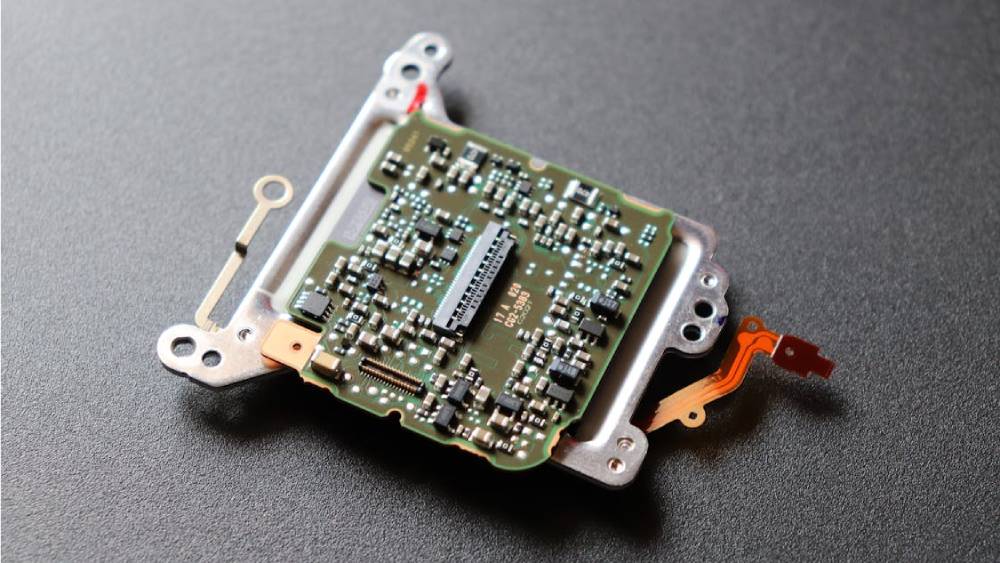
Mechanical routing uses rotating cutting tools to separate or shape flexible circuits.
Compared with die cutting, routing offers greater flexibility for design changes and does not require custom molds.
However, because the cutting tool physically contacts the material, routing may introduce burrs, mechanical stress, edge irregularities, and tool wear. For delicate flexible materials, maintaining stable edge quality can be difficult, especially in precision electronics manufacturing.
As FPC products continue becoming thinner, denser, and more complex, FPC laser cutting is increasingly becoming the preferred solution for precision manufacturing.
Unlike traditional methods, laser cutting for FPC uses non-contact processing, meaning no physical force is applied to the material during cutting. Compared with die cutting and mechanical routing, FPC laser cutting offers several important practical advantages.
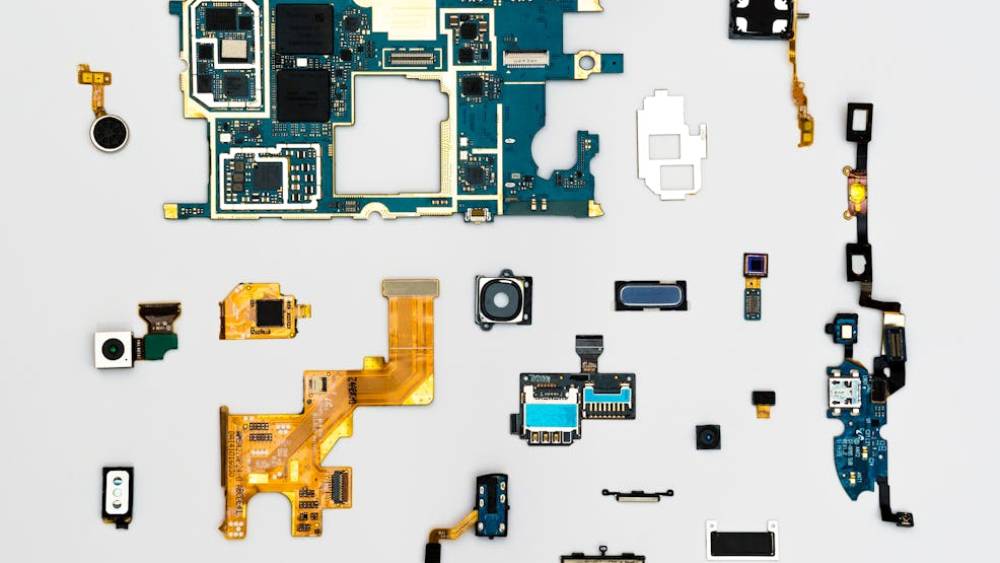
Mechanical cutting tools may create burrs, edge deformation, or material tearing, especially when processing thin flexible substrates. Laser processing produces cleaner and smoother cutting edges, helping reduce edge defects and improving overall product consistency. For manufacturers, this means better assembly precision, lower defect rates, and reduced rework and scrap.
Modern flexible circuits contain small geometries, narrow spacing, and irregular contours. Traditional tooling methods may struggle to maintain stable precision for these designs.
FPC laser cutting can achieve micron-level accuracy, making it easier to process fine contour structures, small openings and windows, dense circuit layouts, and complex custom geometries. This helps manufacturers meet tighter tolerances required in smartphones, foldable devices, medical electronics, and automotive systems.
Unlike die-cutting, laser systems do not require physical molds or cutting dies. Designs can be modified directly through software. For manufacturers, this creates clear business advantages: faster product development, lower tooling investment, easier prototyping, and greater flexibility for small-batch production. As product life cycles become shorter, this flexibility becomes increasingly valuable.
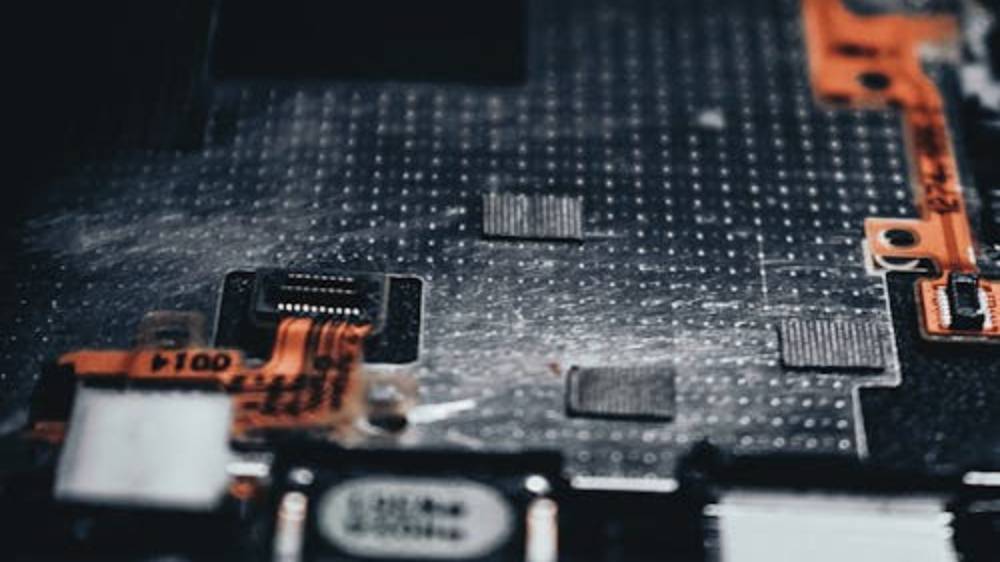
Because laser systems do not physically contact the material, they help minimize mechanical stress, deformation, and delamination risk. Therefore, this is particularly beneficial for ultra-thin FPC materials, multi-layer flexible circuits, and delicate adhesive structures. Better material protection can ultimately improve yield and long-term product reliability.
Mechanical tools gradually wear during operation. This may result in inconsistent cutting quality over time. Laser systems maintain stable processing performance without tool wear, helping manufacturers achieve more consistent production quality, stable dimensional accuracy, and lower maintenance interruptions. For high-volume electronics manufacturing, improved consistency often translates into higher production efficiency and lower long-term operating costs.
As smartphones, automotive electronics, wearable devices, and medical electronics continue evolving, manufacturing tolerances become increasingly demanding. Therefore, FPC laser cutting is becoming an essential technology in modern flexible PCB manufacturing. It not only improves cutting quality but also helps manufacturers increase flexibility, reduce defects, and improve long-term production efficiency.
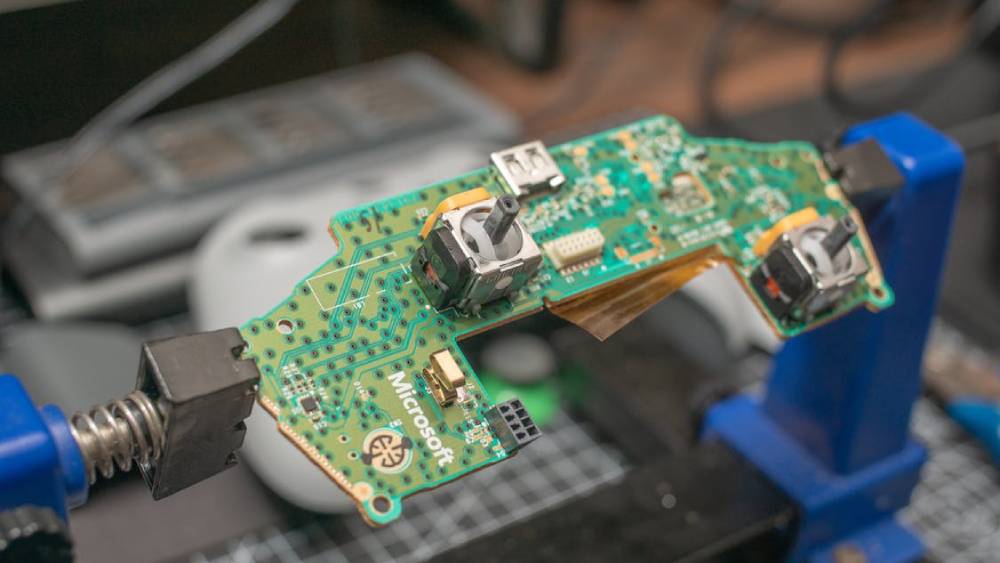
A laser cutting machine for FPC uses highly focused laser energy to precisely remove material along programmed cutting paths.
The process begins with importing design files such as DXF, AI, or CAD drawings into the control software. The machine then positions the flexible circuit material and follows the programmed contour with high precision.
Depending on processing requirements, the system may use specific lasers to perform precision contour cutting, coverlay cutting, hole drilling and window opening, fine pattern processing, and flexible PCB shaping.
Unlike mechanical cutting, the laser beam does not physically touch the material. Instead, concentrated laser energy vaporizes or removes material with minimal mechanical stress.
Advanced laser systems often integrate:
· Vision alignment systems for precise positioning
· CCD cameras for mark recognition
· Motion platforms for micron-level accuracy
· High-speed galvanometer scanning for faster processing
This enables manufacturers to achieve cleaner edges, tighter tolerances, and higher repeatability for modern FPC manufacturing.
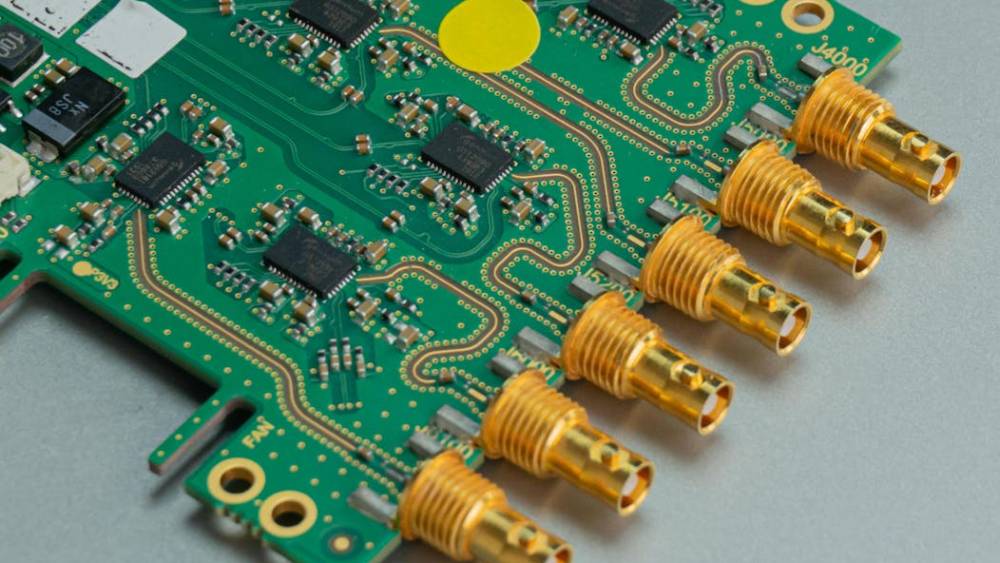
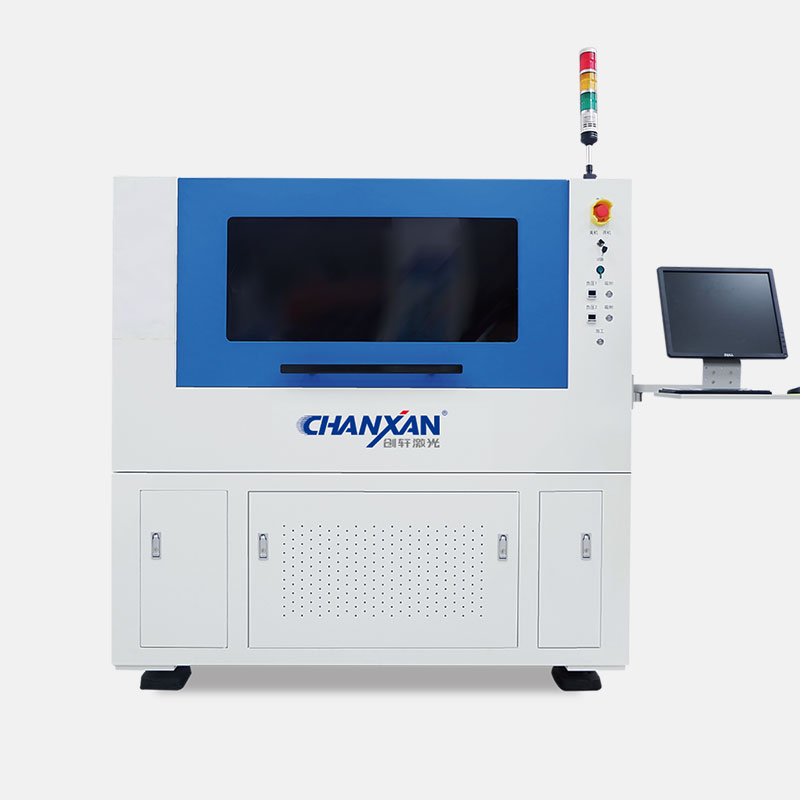
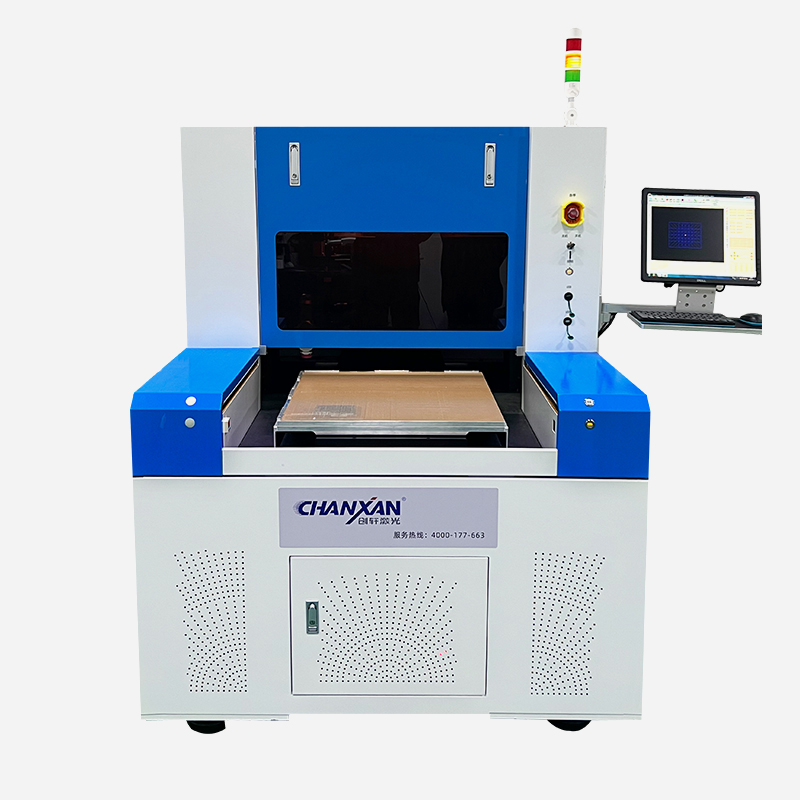
To address the ever-increasing demands of FPC product processing, Chanxan Laser has developed an advanced ultrafast laser platform specifically designed for high-precision, low-damage flexible circuit processing.
The Chanxan ultrafast laser system utilizes advanced picosecond and femtosecond laser technology, supporting cold processing—that is, using the ultrashort pulses of ultrafast lasers to remove material before significant heat diffusion. This helps reduce carbonization, edge ablation, delamination, heat-affected zone (HAZ), and material deformation that are common with conventional lasers.
Compared to traditional processing methods, the Chanxan ultrafast laser cutting machine offers the following advantages:
· Micron-level cutting accuracy
· Clean and smooth edges
· Minimum heat impact
· Stable performance in processing ultra-thin materials
· Greater production flexibility without the need for molds
The Chanxan ultrafast laser platform is suitable for applications such as smartphone FPCs, foldable electronics, automotive flexible circuits, medical electronic components, and high-density flexible PCB manufacturing. As demand for precision electronics continues to grow, ultrafast laser processing technology is moving from research laboratories to scalable industrial production, helping FPC manufacturers improve quality, yield, and long-term production efficiency.
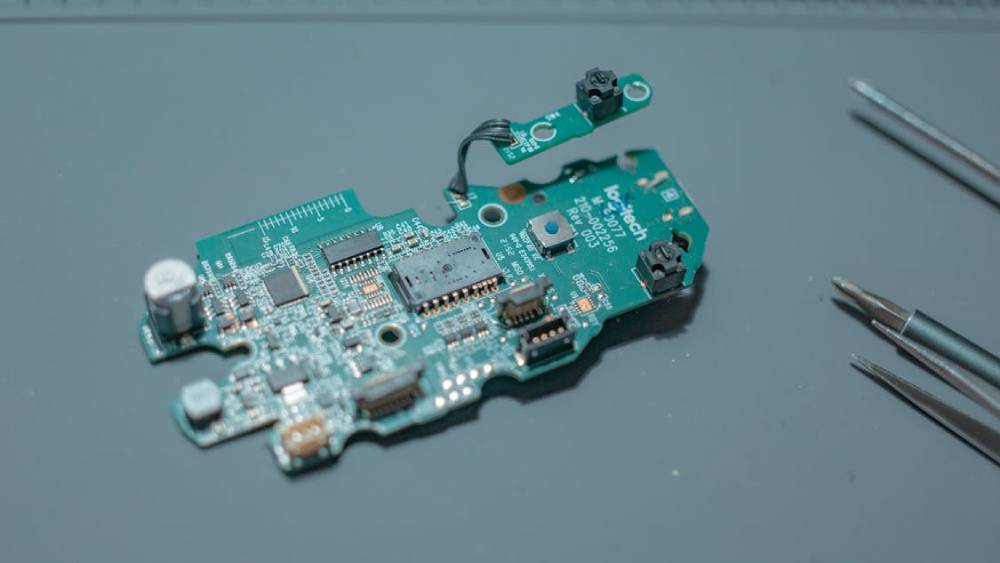
FPC manufacturing is evolving rapidly, and FPC laser cutting is becoming a key technology across electronics production. Compared with mechanical cutting, laser processing offers clear advantages, including non-contact machining, cleaner edges, higher precision, and greater flexibility without tooling limitations. These benefits help manufacturers reduce defects, improve yield, and adapt faster to changing product designs.
For manufacturers seeking better precision and long-term production efficiency, advanced FPC laser cutting machines, especially ultrafast laser platforms, provide a scalable solution for modern flex circuit cutting and precision flexible PCB manufacturing.
As demand for high-performance electronics continues to grow, laser cutting for FPC is expected to play an even larger role in smartphone electronics, automotive systems, medical devices, and next-generation flexible electronics.
| Free solution
Previous: PCB Depaneling Methods: Mechanical vs Laser Depaneling
Next: What Is Wafer Dicing? A Complete Guide to Semiconductor Wafer Cutting