
Key Words: Silicon Wafer Dicing PCB Depaneling Glass Cutting
Home > News > Industry News
【Description】:
Learn how laser processing is transforming PCB and FPC manufacturing. Explore key applications including PCB laser cutting, FPC laser cutting, laser depaneling, microvia drilling, and coverlay processing for higher precision, cleaner production, and better flexibility.
With the booming development of the semiconductor manufacturing industry, PCB and FPC manufacturing must also advance to support high-density electronic systems. From smartphones to the currently booming intelligent robots, modern products all require high-density circuit integration.
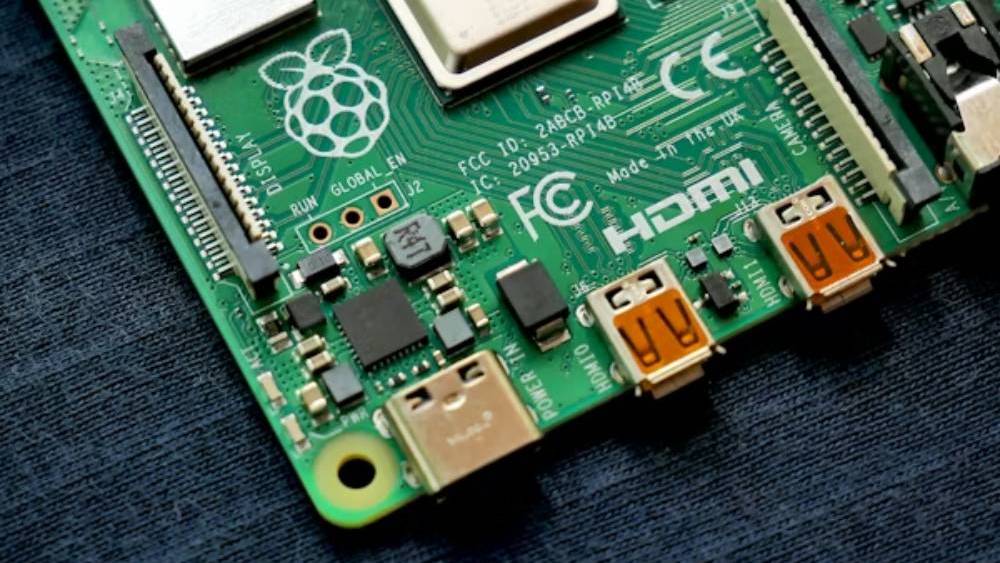
A PCB provides electrical connections and structural support for electronic components. FPC, also known as a flexible PCB, offers additional flexibility and lightweight design. It can bend, fold, and fit into compact spaces where rigid boards cannot.
As electronics continue to evolve, today, laser systems are widely used for FPC cutting, PCB depaneling, PCB drilling, and other precision micromachining.
Traditional PCB manufacturing and FPC manufacturing have long relied on mechanical and chemical processing methods. For contour cutting and board separation, manufacturers commonly use mechanical routing, die cutting, and punching. Mechanical processing involves physical contact with materials. This can create burrs, edge deformation, mechanical stress, and tool wear, especially when working with thin boards or intricate circuit shapes. This problem is particularly prominent in flexible PCB manufacturing.
Unlike rigid boards, FPC materials are soft, thin, and highly flexible. Traditional cutting methods may deform the material or reduce edge quality, making high-precision processing more difficult.
At the same time, PCB fabrication relies heavily on chemical etching to create copper circuit patterns. While effective for pattern formation, chemical methods offer limited flexibility for contour cutting and precision micro-processing.
This is where laser processing offers clear advantages. Compared with traditional methods, laser processing helps manufacturers achieve cleaner, more stable, and more flexible production.
Because laser systems work without physical contact, they reduce mechanical stress and avoid tool wear. This helps minimize burrs, edge damage, and material deformation, especially when processing thin PCB structures or fragile FPC materials.
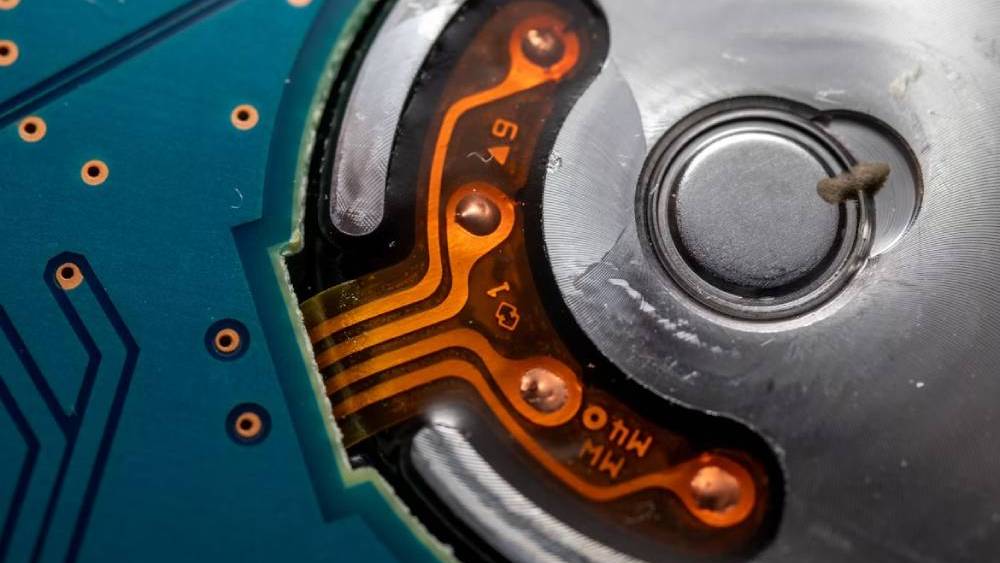
Laser processing also supports higher precision. As circuit designs become smaller and more complex, manufacturers need tighter tolerances and cleaner edges. PCB laser processing enables accurate cutting and microfabrication, helping improve product consistency and overall yield.
Another important benefit is better processing quality. Technologies such as UV lasers and ultrafast lasers reduce burning and carbonization, allowing manufacturers to achieve cleaner cuts and lower defect rates.
At the same time, laser systems improve manufacturing flexibility. Since no physical tooling is required, manufacturers can respond faster to design updates, shorter product cycles, and customized production needs while reducing tooling costs and downtime.
PCB laser cutting and FPC laser cutting are among the most common laser applications in electronics manufacturing.
Laser cutting is widely used for:
Flexible circuit cutting
PCB contour cutting
Rigid-flex PCB processing
Thin material separation
Precision component shaping
For FPC applications, laser cutting enables smooth edges and complex geometries without damaging surrounding areas.
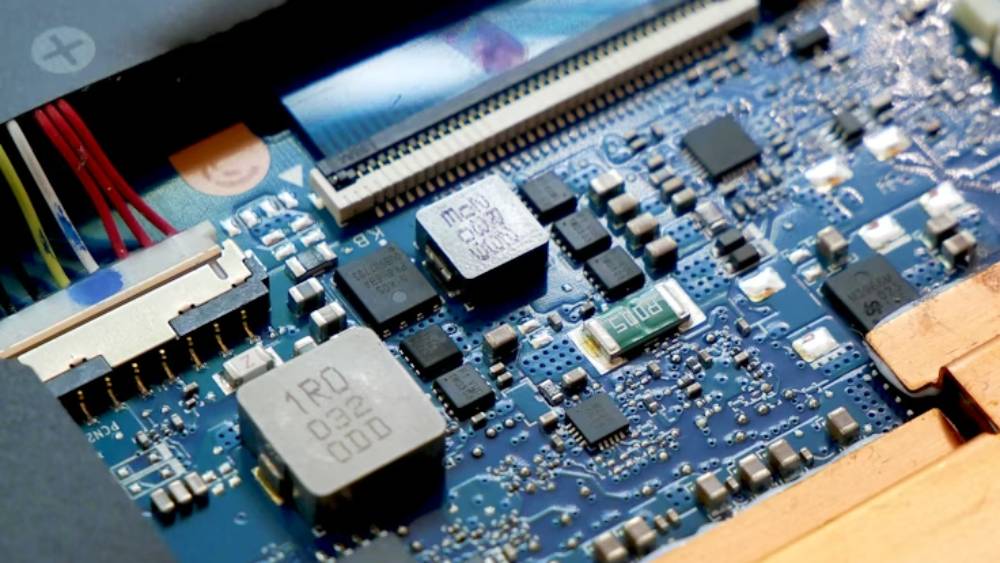
After PCB fabrication is complete, individual boards must be separated from the production panel. This process is called PCB depaneling.
Traditional depaneling methods often rely on mechanical routing, V-scoring, and punching. While effective, these methods may create vibration and mechanical stress. For sensitive electronic components, laser depaneling offers a high-precision alternative.
Laser depaneling is especially suitable for:
HDI PCB
Thin PCB
Flexible PCB
Rigid-flex PCB
High-value electronic assemblies
It also improves production flexibility because no mechanical tooling changes are required.
Modern electronics often use HDI PCB (High-Density Interconnect PCB) technology to support compact designs. And this requires smaller and more precise vias.
Microvias are tiny holes that create electrical connections between PCB layers. Traditionally, mechanical drilling faces limitations when hole sizes become extremely small. Thereby, PCB laser drilling becomes important.
Precision laser systems can create highly precise blind vias, buried vias, and microvias.
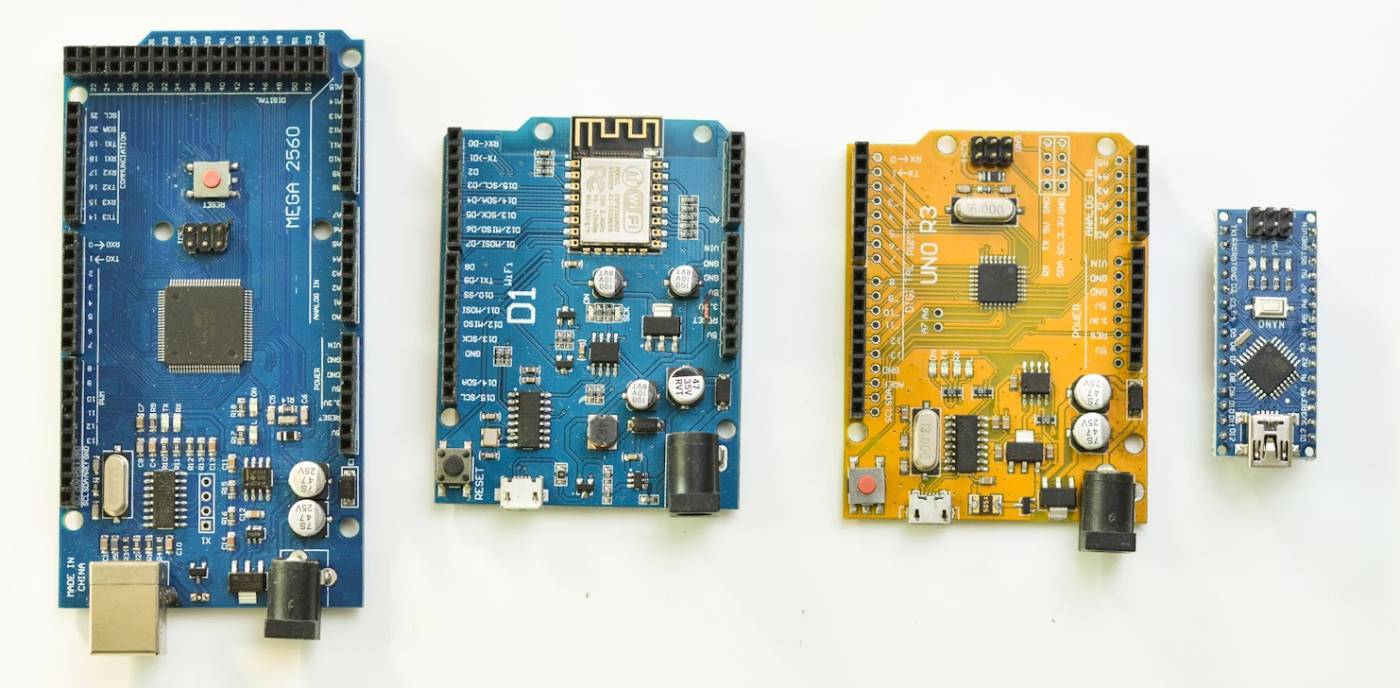
In FPC manufacturing, protective film layers are often used to protect flexible circuits. These include coverlay films, polyimide (PI) materials, and adhesive layers.
Laser cutting, especially femtosecond and picosecond laser cutting, can achieve cold ablation effects with ultrashort pulses. This allows for the high-precision shaping of flexible materials without damaging surrounding structures. Therefore, this characteristic helps manufacturers address the increasingly complex designs of flexible printed circuit boards (FPCs).
Manufacturers need permanent identification for quality control and product tracking. Laser marking systems support:
QR codes
Serial numbers
Batch information
Product identification
Compared with ink printing, laser marking is cleaner, more durable, and does not introduce contamination risks.
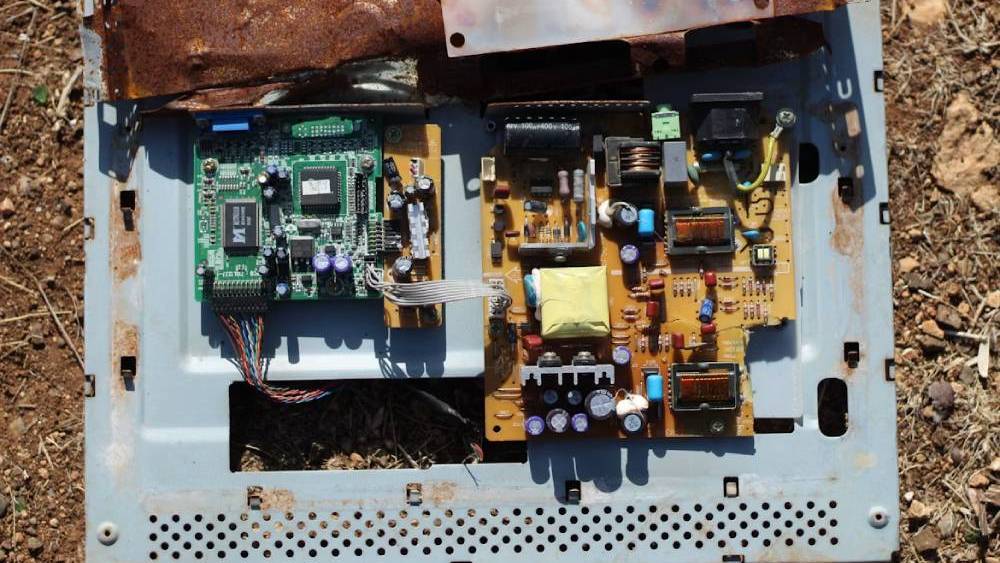
Electronics manufacturing continues to move toward smaller designs, higher density, and greater precision. The limitations of traditional processing methods are becoming increasingly apparent, while laser processing shows significant long-term advantages. For PCB manufacturing and flexible PCB manufacturing, laser systems enable cleaner cutting, higher precision, lower material damage, and greater process flexibility.
Beyond processing quality, laser technology also supports greater manufacturing efficiency over time. Advanced laser systems can reduce tooling requirements, lower maintenance costs, speed up product changeover, and better adapt to evolving designs. Totally, laser systems can help manufacturers improve production flexibility while reducing long-term operational costs.
As demand for high-performance electronics continues to grow, laser processing is expected to play an increasingly important role in next-generation PCB and FPC manufacturing.
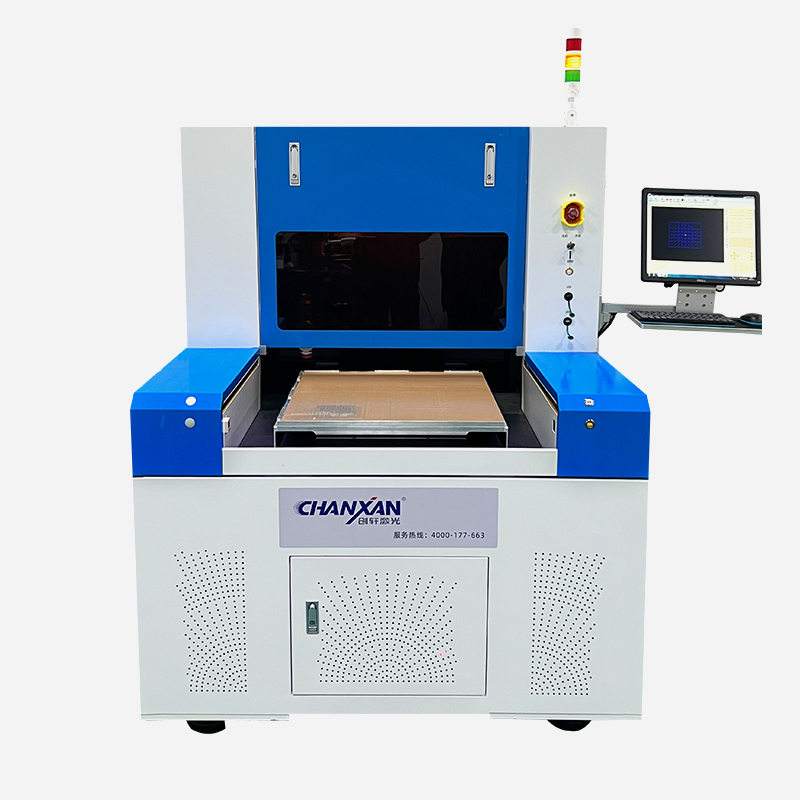
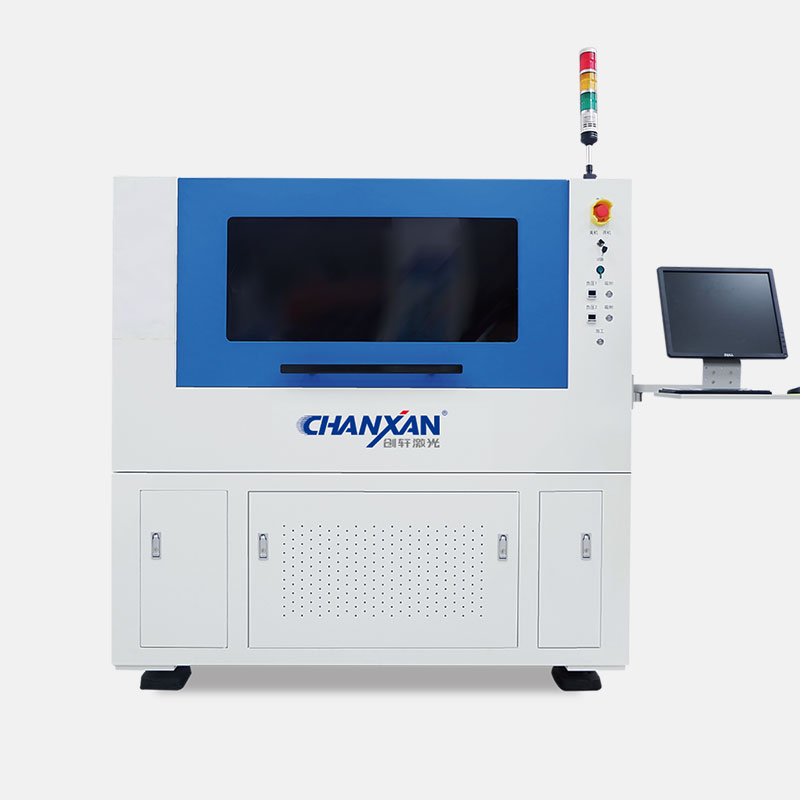
Looking for precision laser solutions for PCB and FPC manufacturing? Chanxan laser systems can support high-precision cutting, drilling, depaneling, and flexible circuit processing to help manufacturers achieve cleaner production, higher yield, and long-term manufacturing efficiency.
| Free solution
Previous: How Semiconductor, PCB, and FPC Work Together in Electronics
Next: Laser Processing in Semiconductor Manufacturing: 5 Key Applications