
Key Words: Silicon Wafer Dicing PCB Depaneling Glass Cutting
Home > News > Industry News
【Description】:
Explore the relationship between semiconductor, PCB, and FPC manufacturing in modern electronics. Learn how chips, circuit boards, and flexible circuits work together in smartphones, EVs, medical devices, and AI systems, and why precision manufacturing is becoming increasingly important.
In 2026, major technology companies are accelerating investments in AI infrastructure, robotics, and intelligent devices. Companies are building larger AI data centers, expanding humanoid robot development, and integrating more advanced electronics into vehicles, factories, and healthcare systems. Industry analysts expect semiconductor demand to continue rising as AI computing and intelligent automation expand.
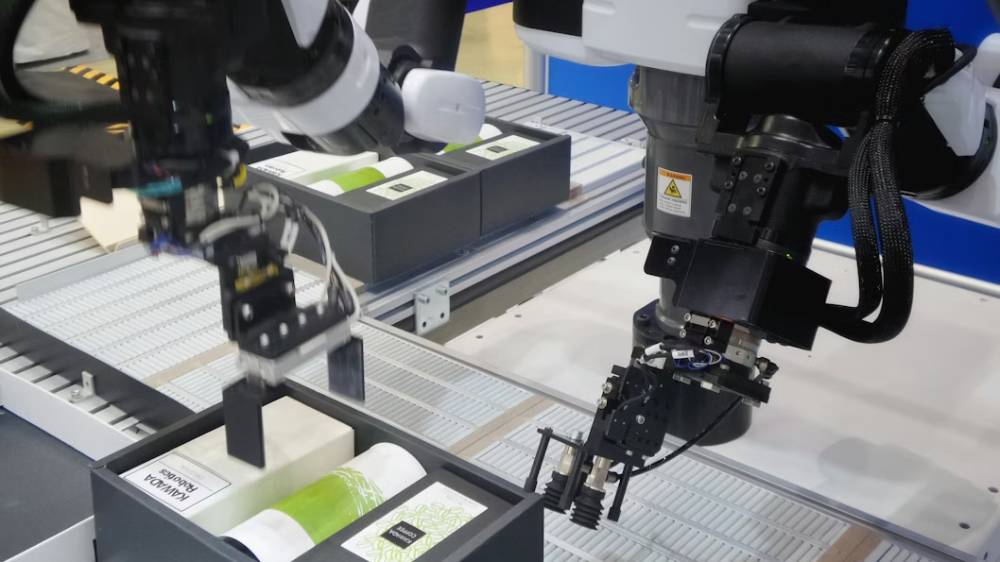
At the same time, intelligent robotics is moving from experimentation to deployment. Companies such as NVIDIA are expanding partnerships with robotics manufacturers, while industrial and humanoid robots are increasingly being adopted in logistics, manufacturing, and automation.
Behind every AI server, intelligent robot, EV system, or wearable device is a highly connected electronics ecosystem. This ecosystem depends on three essential technologies: semiconductors for computing, PCBs for electrical connections, and FPCs for compact, flexible integration.
However, many people still confuse these technologies. What is the difference between a semiconductor and a PCB? How does FPC fit into the electronics manufacturing process? The answer is simple: They perform different functions, but work together to create modern electronic products.
Semiconductor, PCB, and FPC technologies are closely connected, yet they serve different purposes in modern electronics. In simple terms, semiconductors provide intelligence, while PCB and FPC provide connection and integration.
A semiconductor is the core functional component of an electronic device. It is commonly called a chip or integrated circuit (IC). Semiconductors process data, control signals, manage power, and perform computing tasks. Common semiconductor examples include processors, memory chips, sensors, and power devices.
Thus, semiconductors are often described as the "brain" of modern electronics. To go deeper, Semiconductor manufacturing is the process of producing these chips. It includes wafer fabrication, lithography, etching, packaging, and testing.
However, chips alone cannot function as complete products. And it is where PCB and FPC manufacturing come into play.
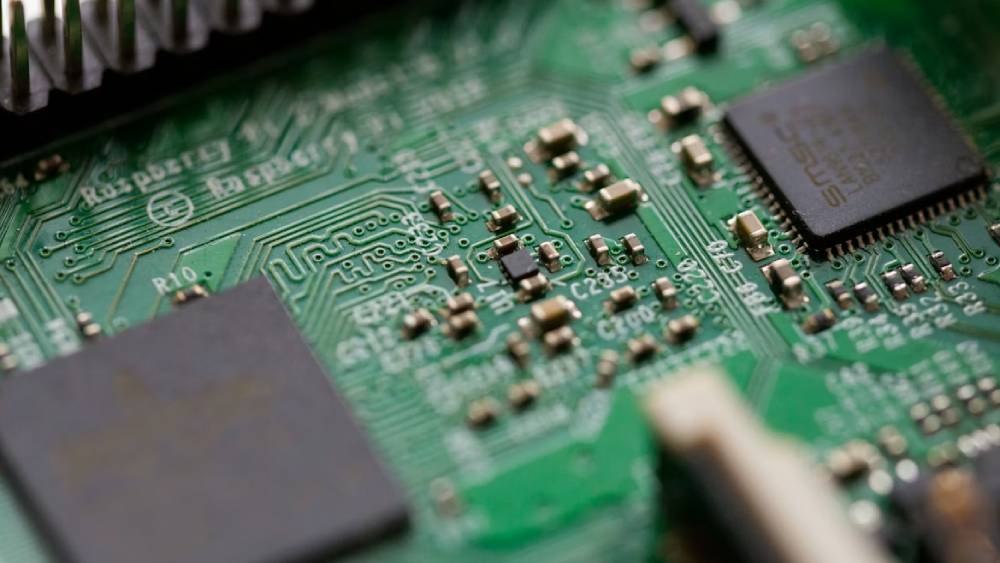
A PCB (Printed Circuit Board) acts as the structural and electrical platform that connects electronic components inside a device. Its main function is to provide electrical pathways between chips, sensors, and other components so signals and power can move throughout the system.
A typical PCB consists of several layers, including:
Copper circuits for signal transmission
Insulating substrate materials for electrical isolation
Protective solder mask layers for durability
Surface finishes and pads for component mounting
Most rigid PCB are manufactured using materials such as FR-4 fiberglass epoxy resin, copper foil, and protective coatings. Depending on application requirements, PCB structures may include single-layer, multilayer, HDI (High-Density Interconnect), or rigid-flex boards.
Because PCBs provide structural stability and reliable electrical performance, they are widely used in computers, automotive electronics, industrial systems, and communication equipment.

An FPC (Flexible Printed Circuit) works in a similar way but is designed for flexibility and space-saving integration.
Instead of rigid fiberglass materials, FPCs are typically made from thin polyimide (PI) or polyester films, combined with copper layers and adhesive materials. These flexible substrates allow circuits to bend, fold, and fit into compact or moving structures.
Compared with rigid PCB, FPC are:
Thinner
Lighter
More flexible
Better suited for compact assemblies
This makes FPC manufacturing especially suitable for products where space is limited, such as smartphones, foldable devices, wearable electronics, medical equipment, and automotive display systems.
When comparing FPC vs PCB, the biggest difference is their physical structure. PCB focuses on rigidity and mechanical support. FPC prioritizes flexibility and compact integration.
As electronic products become thinner and more miniaturized, manufacturers increasingly combine both technologies within the same device.
In a word, Semiconductors perform the computing, while PCBs and FPCs make electronic systems work together.
Semiconductor, PCB, and FPC manufacturing work together through a simple process:
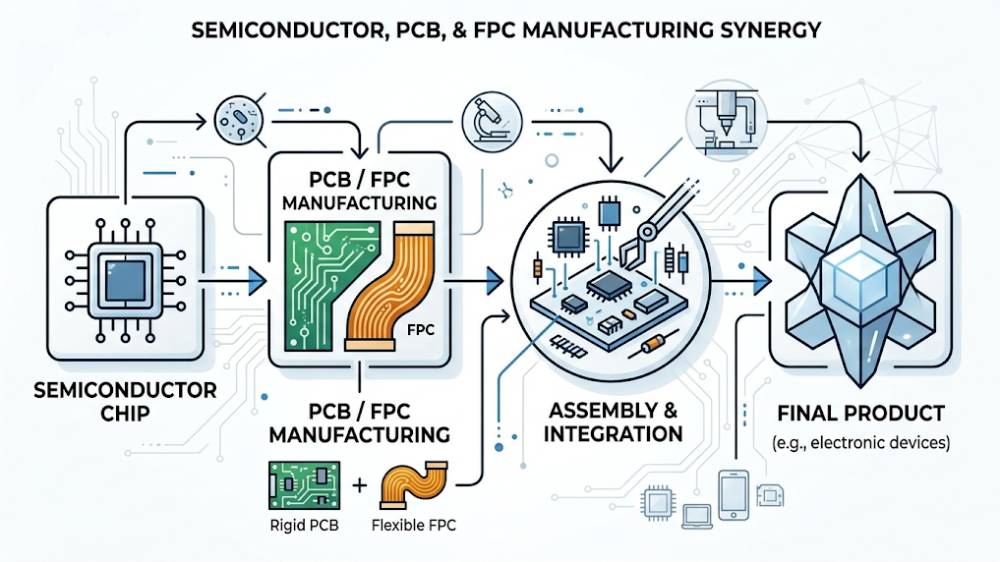
The relationship between semiconductor, PCB, and FPC manufacturing becomes clearer when looking at how an electronic product is made. The process usually begins with semiconductor manufacturing, where chips are created through highly precise fabrication processes on silicon wafers. After wafer processing and packaging, these chips are prepared for integration into electronic systems. At the same time, PCB and FPC manufacturing produce the circuit structures that support and connect these chips. PCB and FPC are processed to form electrical pathways, microvias, and connection structures that allow signals and power to move across the system. Flexible circuits may also undergo additional processing to support bending and compact integration. Once chips and circuit boards are ready, they are assembled together through electronic packaging and mounting processes, turning separate components into complete products such as smartphones, electric vehicles, medical devices, and intelligent robots.
Smartphone Example: A smartphone is a good example of how semiconductors, PCB, and FPC work together. Inside a smartphone, multiple semiconductor chips—including processors, memory chips, camera chips, and power management devices—handle computing, storage, imaging, and power control. These chips are connected through PCB and FPC systems that transfer signals and power throughout the device. In particular, FPC plays an important role in compact areas such as camera modules, display connections, and foldable structures, where flexibility and space-saving design are essential. Without PCB and FPC, semiconductor chips would not be able to communicate or function as a complete system.
Electronics continue to evolve, which creates higher requirements for manufacturing precision. Semiconductor chips now feature smaller structures and more advanced packaging. PCB and FPC products require thinner materials, finer circuit patterns, and smaller microvias.
Traditional processing methods still play an important role. However, they increasingly face limitations in precision, flexibility, and material compatibility. This is why laser processing across electronics manufacturing is gaining attention.
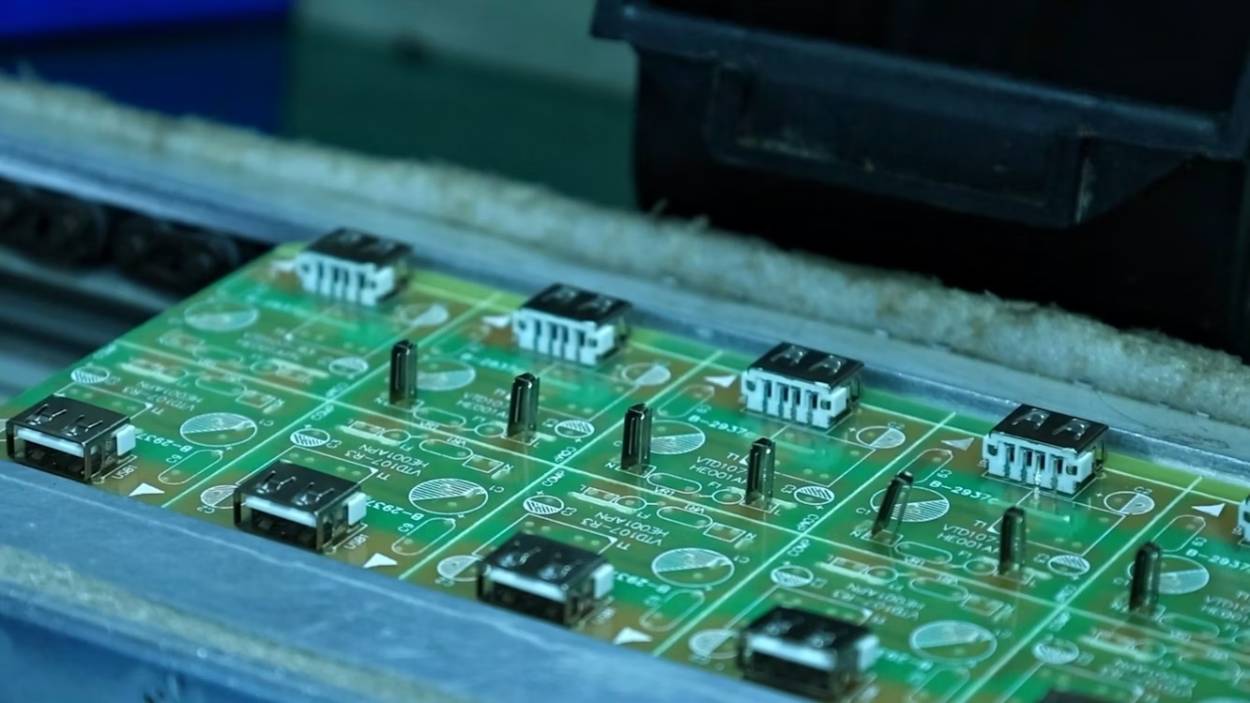
In semiconductor manufacturing, lasers support:
Wafer dicing
Micromachining
Advanced packaging
In PCB and FPC manufacturing, lasers enable:
PCB laser cutting
FPC laser cutting
Laser depaneling
Microvia drilling
Because laser systems provide high precision, low thermal damage, and non-contact processing, they help manufacturers improve product quality and adapt to miniaturized electronics.
Related Reading: Laser Processing in Semiconductor Manufacturing
Related Reading: Laser Processing in PCB and FPC Manufacturing
Semiconductor, PCB, and FPC technologies work together to create complete electronic systems. Semiconductors provide computing and control functions, while PCBs and FPCs connect and support these components.
Demand for high-performance electronics continues to grow, and manufacturing requirements are becoming increasingly stringent. Electronic manufacturers increasingly need processing technologies that can deliver higher precision with lower material damage. At the same time, ultrafast laser technology is gradually moving from laboratory research to large-scale industrial applications. With advantages such as ultra-high precision, minimal thermal effects, and non-contact processing, ultrafast lasers are helping manufacturers improve quality and production flexibility across semiconductor, PCB, and FPC manufacturing. As intelligent electronics continue to evolve, ultrafast laser processing is expected to unlock even greater potential for next-generation electronics manufacturing.
| Free solution
Previous: What Is Wafer Dicing? A Complete Guide to Semiconductor Wafer Cutting
Next: Laser Processing in PCB and FPC Manufacturing: Key Applications for Precision Electronics