
Key Words: Silicon Wafer Dicing PCB Depaneling Glass Cutting
Home > News > Industry News
【Description】:
Learn what photovoltaic backsheet processing involves—slitting, cutting, drilling, scoring, marking, and surface treatment—and how laser technology is shaping the future of photovoltaic backsheet films.
Photovoltaic backsheets are the unsung protective layer on the rear side of a solar module. They provide electrical insulation, moisture protection, UV resistance, mechanical support, and long-term durability. But raw photovoltaic backsheet films do not become finished module components on their own. They go through a series of manufacturing steps known as photovoltaic backsheet processing.
In simple terms, photovoltaic backsheet processing is the bridge between a roll of material and a reliable component ready for lamination. It is not just cutting. It includes slitting, shaping, drilling, scoring, marking, surface treatment, and pre-assembly. The goal is always the same: accurate dimensions, clean edges, intact insulation, and dependable outdoor performance for 25 years or more.
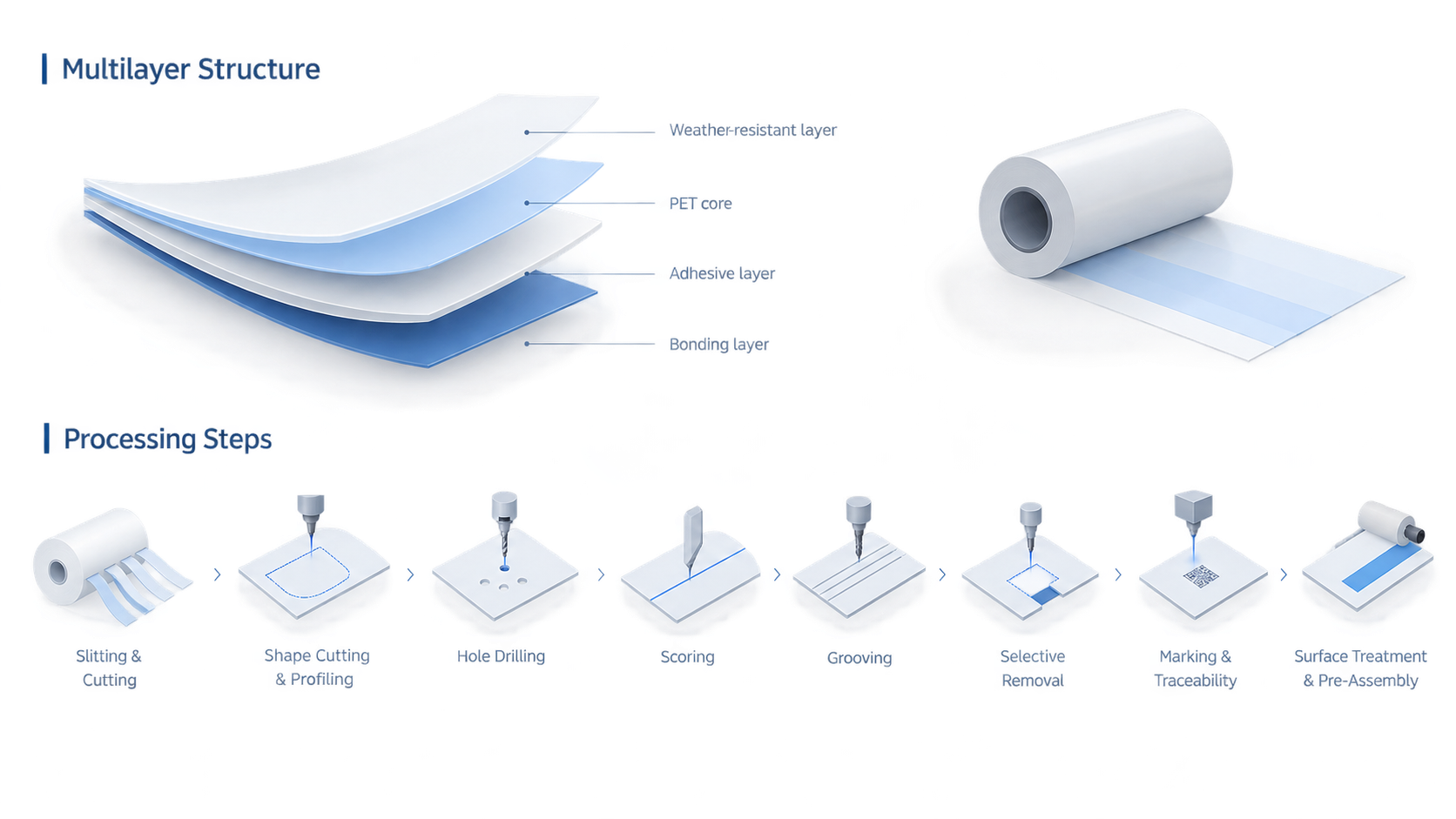
Photovoltaic backsheets are usually multilayer films. They may include a weather-resistant outer layer, a PET core, adhesive layers, and an inner bonding layer. Each layer has different thermal, mechanical, and chemical properties. That makes processing more complex than cutting a single plastic sheet.
The main processing steps include Slitting and Cutting, Shape Cutting and profiling, hole drilling, Scoring, grooving, selective removal, marking and traceability, and surface treatment and Pre-Assembly.
Photovoltaic backsheet films are manufactured in wide rolls. Slitting converts these rolls into narrower widths. Cutting produces sheets or panels at the length required by the module design. The key requirements are straight edges, no burrs, no delamination, and controlled tension to avoid stretching or deformation.
Most photovoltaic backsheets are rectangular, but modern module designs often require cutouts, rounded corners, notches, or custom profiles. Mechanical die cutting is common for high-volume standard shapes. For complex outlines, small batches, or frequent design changes, laser processing offers more flexibility.
Photovoltaic backsheets need holes for junction boxes, busbars, alignment pins, and venting. Hole quality matters. A poorly drilled hole can cause assembly problems, weak sealing, or a path for moisture ingress. Clean edges and accurate positioning are essential for reliable module assembly.
Some module designs require local removal of one or more backsheet layers. This may create insulation channels, functional windows, or exposed inner surfaces for bonding. The challenge is depth control. Cut too shallow, and the feature does not work. Cut too deep, and the support layer or electrical insulation may be damaged.
Photovoltaic backsheets often carry batch numbers, QR codes, certification marks, and other traceability information. Laser marking is increasingly used because it is non-contact, permanent, and free of ink or solvent. It helps manufacturers track quality and supports anti-counterfeiting efforts.
Before lamination, photovoltaic backsheets may undergo corona treatment, plasma treatment, or other surface preparation to improve adhesion. They may also be pre-assembled with busbars, insulation strips, or junction box components. These steps don't change the backsheet's shape, but they are critical to the final module’s reliability.
Whether the process uses mechanical tools or lasers, quality is measured by several core factors:
Edge quality: no burrs, charring, delamination, or microcracks.
Dimensional accuracy: holes, outlines, and cutouts meet assembly tolerances.
Insulation integrity: processing must not reduce electrical insulation performance.
Barrier performance: the backsheet must retain its moisture-blocking ability.
Long-term reliability: processed edges must not become failure points during outdoor aging.
A photovoltaic backsheet is expected to protect a solar module for decades. A small edge defect can grow into a serious reliability issue. That is why processing quality is not a cosmetic concern—it is a functional requirement.
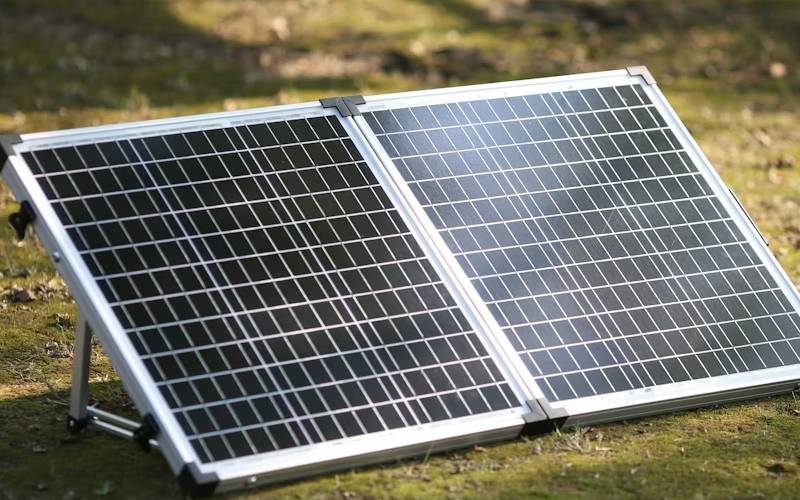
Early photovoltaic backsheet processing relied heavily on mechanical die cutting and punching. These methods are fast and cost-effective for high-volume standard products, but they are less flexible for custom shapes and can introduce mechanical stress.
Laser processing has gradually become more important. It is non-contact, highly precise, and easy to automate. Lasers can cut, drill, score, and mark photovoltaic backsheet films without pressing on the material. For heat-sensitive multilayer backsheets, UV and ultrafast lasers can reduce thermal damage and produce cleaner edges.
Today, roll-to-roll laser systems and inline inspection are helping manufacturers move from standalone machines to integrated production lines. This shift supports higher throughput, better consistency, and real-time quality control.
Photovoltaic backsheet processing is the essential link between backsheet materials and finished solar modules. It covers slitting, cutting, drilling, scoring, marking, surface treatment, and pre-assembly. Every step affects dimensional accuracy, electrical insulation, moisture protection, and long-term reliability.
As photovoltaic backsheets evolve toward thinner, larger, transparent, and more diverse designs, processing technology must evolve with them. Mechanical methods still have a role, but laser processing is increasingly the tool of choice for precision, flexibility, and non-contact handling.
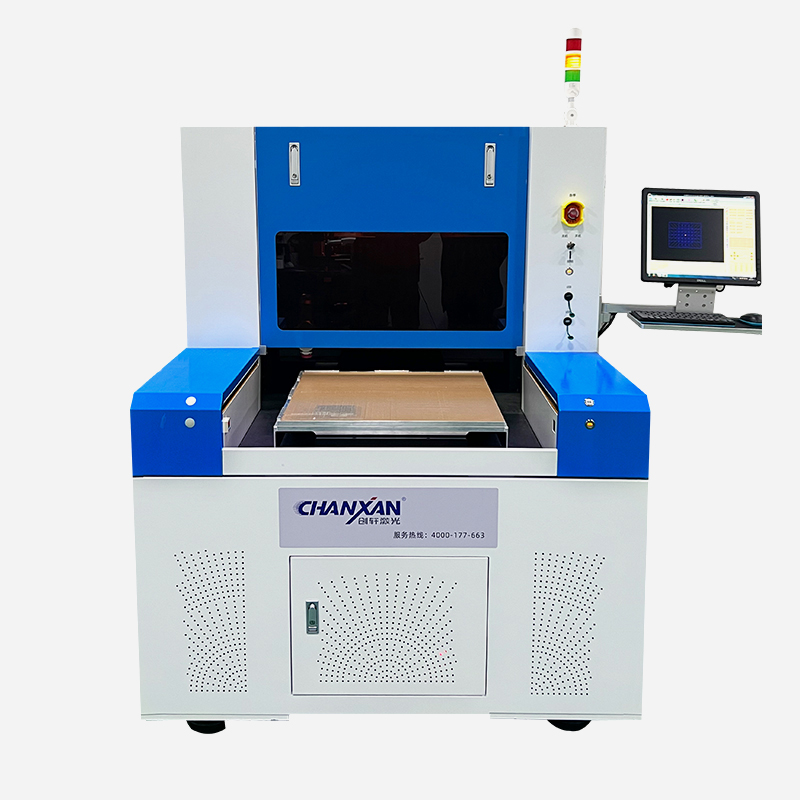
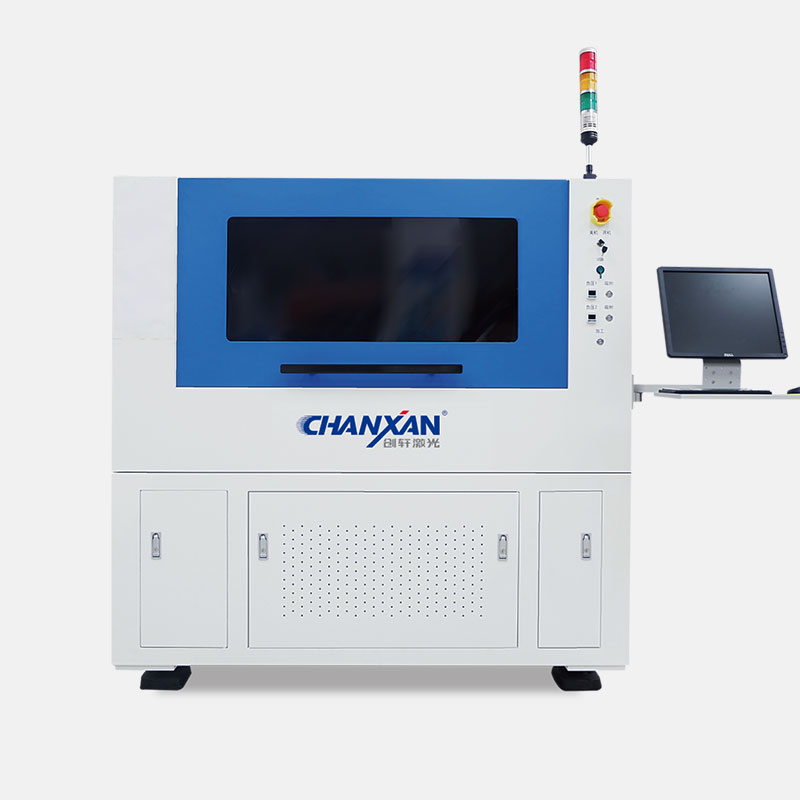
Chanxan Laser is a laser equipment manufacturer focused on precision laser processing solutions for advanced materials, including photovoltaic backsheet films. The company develops UV, ultrafast, and CO₂ laser systems designed for heat-sensitive multilayer materials used in photovoltaics, electronics, and flexible packaging.
Chanxan Laser also provides process development support, helping manufacturers optimize parameters for different photovoltaic backsheets and production requirements. Its goal is to make laser processing a reliable, production-ready solution for the solar industry—supporting cleaner cuts, smaller heat-affected zones, and dependable long-term performance.
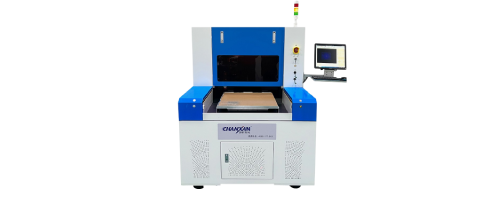
Discover advanced laser solutions tailored for high-precision photovoltaic manufacturing and long-term module reliability.
Contact to Get a Consultation| Free solution
Previous: Photovoltaic Backsheet Slitting and Cutting: How Roll Stock Becomes Module-Ready
Next: Non-Contact Laser Processing for Solar Backsheet Membranes