
Key Words: Silicon Wafer Dicing PCB Depaneling Glass Cutting
Home > News > Company News
【Description】:
A case study detailing how Chanxan Laser replaced hazardous chemical etching with a 30W UV picosecond laser solution for micro-structuring Corning® Gorilla® Glass cover lenses.
Precision Micro-Structuring & Atomisation Etching for Touchscreen Electronics
The market for touchscreen devices—smartphones, tablets, automotive displays, and wearable electronics—continues to demand ever-better visual experiences. One critical element is the glass cover (cover lens), which must balance optical clarity, scratch resistance, and tactile comfort. A growing trend is the use of anti-glare (AG) or frosted/matte finishes that reduce reflections, minimise fingerprints, and provide a premium, silk-like touch.
Traditionally, these matte effects are achieved through chemical etching (hydrofluoric acid-based processes), which not only raises serious environmental and safety concerns but also offers limited design flexibility—patterns are uniform across the entire surface, and localised or gradient textures are nearly impossible.
A leading Asian manufacturer of high-end touchscreen components approached Chanxan Laser with a clear goal: replace the hazardous wet-chemical process with a dry, patternable, and environmentally friendly laser solution—while preserving the mechanical strength of the glass.
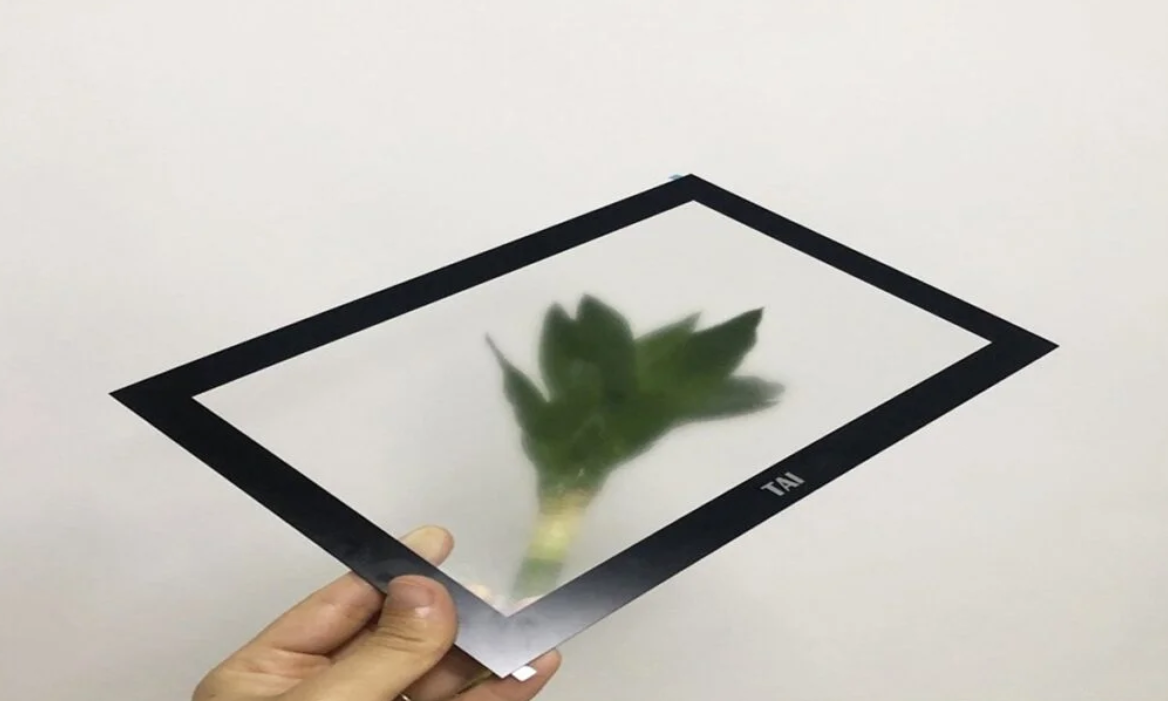
The workpiece is Corning® Gorilla® Glass—the industry standard for cover lenses due to its exceptional hardness, scratch resistance, and thin-profile strength. However, these very properties (high hardness and brittleness) make it extremely challenging to machine. Any thermal or mechanical stress can introduce micro-cracks that dramatically reduce the glass’s drop-test performance.
Processing Gorilla Glass requires a tool that can remove material at the sub-micron scale without imparting shock or heat damage—a requirement that pushed the manufacturer to explore picosecond laser technology.
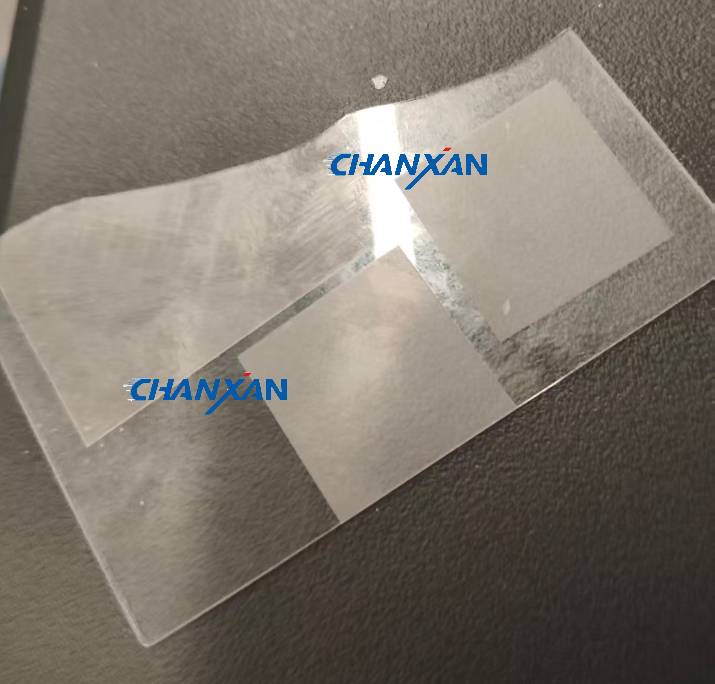
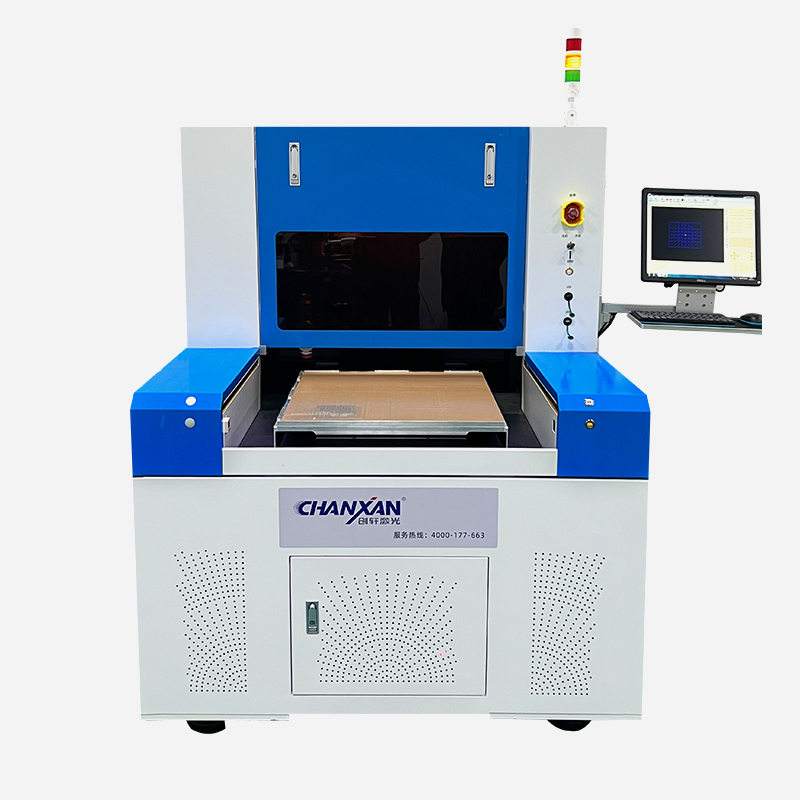
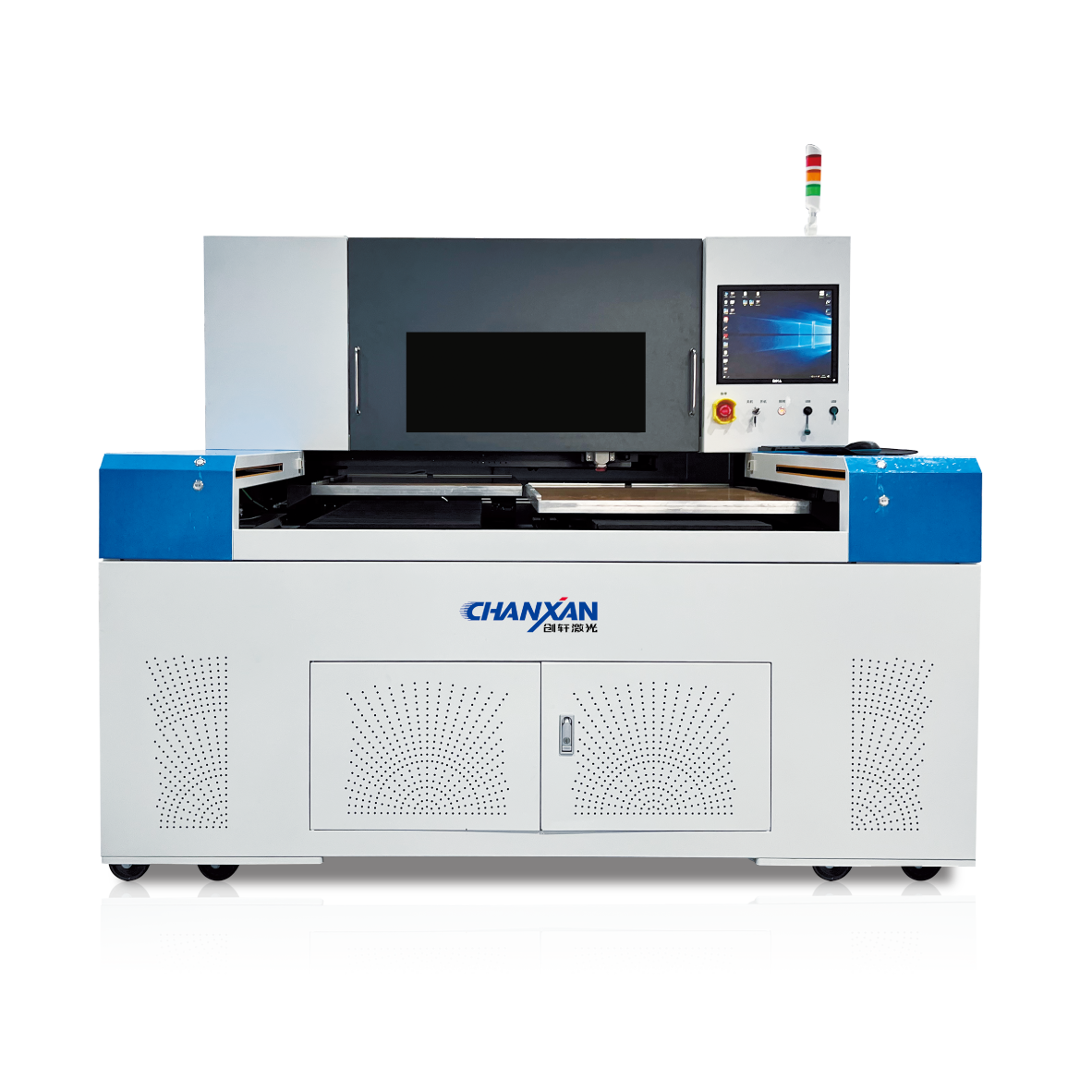
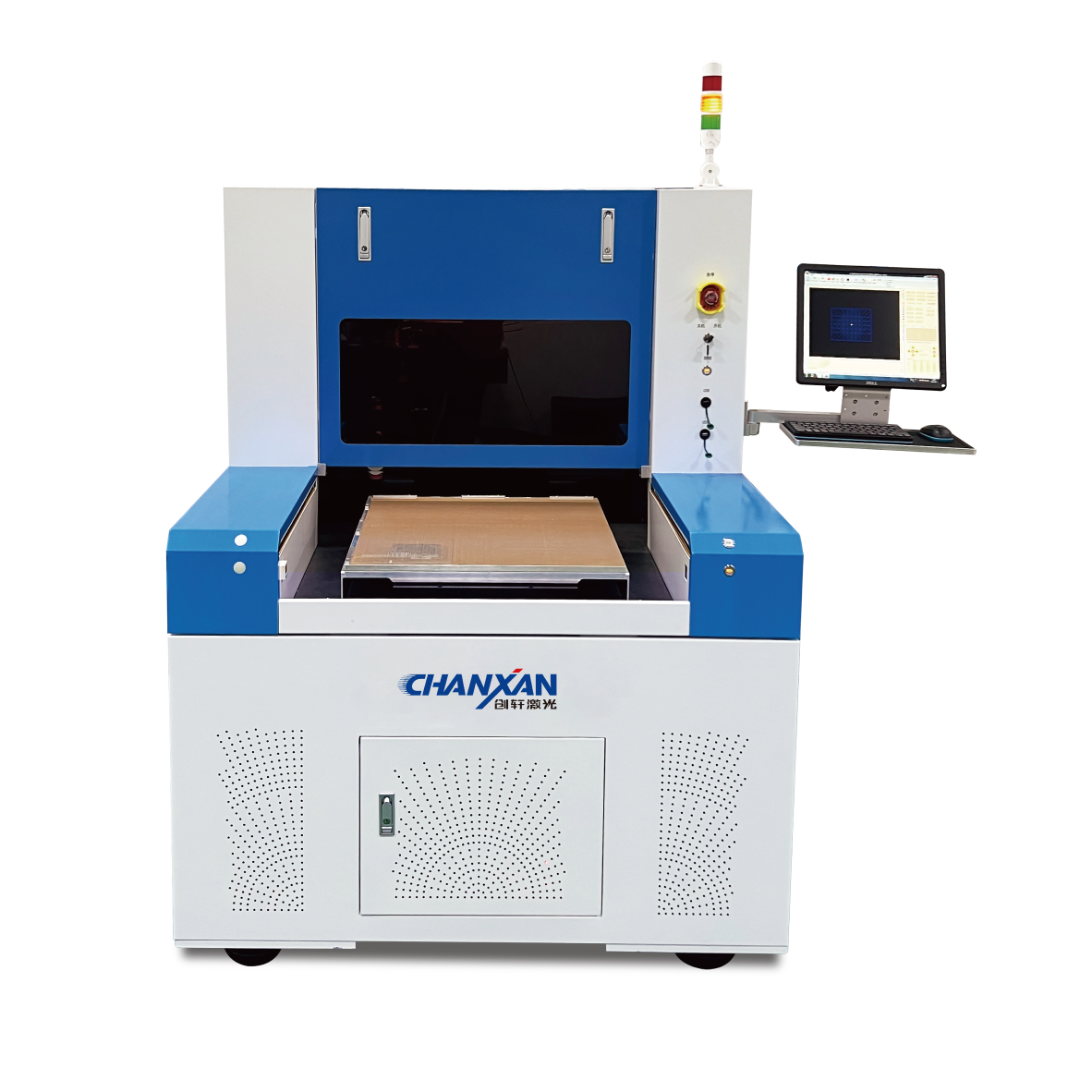
After extensive trials, Chanxan Laser proposed its 30W ultraviolet (UV) picosecond laser system—a platform specifically engineered for high-precision micro-structuring of transparent and brittle materials.
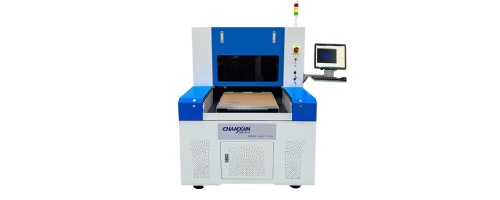
Strong Absorption: The 355 nm UV wavelength is strongly absorbed by glass, enabling efficient energy coupling without relying on thermal diffusion.
Ultra-Fast "Cold Ablation": The picosecond pulse duration (≈10 ps) deposits energy so fast that the material transitions directly from solid to vapour (sublimation), with negligible heat transfer to the surrounding area. This cold ablation mechanism eliminates melting, recast layer, and micro-crack formation—critical for maintaining Gorilla Glass’s inherent strength.
High Industrial Throughput: The 30W average power, combined with a high repetition rate (up to 1 MHz), allows for rapid scanning over large areas, making the process production-ready for volume manufacturing.
The technical term for this process is laser atomisation texturing (also referred to as laser frosting or matte structuring). Instead of removing a uniform layer, the laser scans the glass surface with a carefully optimised parameter set:
| Process Parameter | Optimised Configuration |
|---|---|
| Repetition Frequency | High repetition frequency (e.g., 500 kHz – 1 MHz) |
| Single-Pulse Energy | Low single-pulse energy (just above the ablation threshold of Gorilla Glass) |
| Hatch Spacing & Pattern | Tight hatch spacing to ensure uniform overlap |
This strategy creates a homogeneous micro-rough surface—a fine, controlled topography of micro-craters and raised rims, typically with surface roughness (Ra) values between 0.2 and 0.8 µm, depending on the desired haze level. Unlike chemical etching, which produces a random isotropic surface, the laser process can be precisely tuned to achieve different gloss levels, from mild anti-glare (haze 5-10%) to strong matte (haze >30%).
Patternable & Selective: The laser can treat selected areas only (e.g., rectangular windows, circular logos, or gradient fades), enabling decorative and functional designs that are impossible with wet baths.
Zero Chemical Waste: The process is entirely dry, generating only fine glass dust that is easily captured by a standard vacuum/filtration system.
Flexible Layouts: The same system can process an entire cover plate or just specific zones, with no physical masking required.
While the initial project focused on smartphone glass covers, the same 30W UV picosecond laser frosting technology is equally applicable across multiple industries:
Furthermore, because the laser enables selective area processing, it opens new product categories: logo-in-glass, backlit symbols, and hybrid finishes (glossy main area with matte borders) that combine aesthetics with function.
This success story is built on Chanxan’s deep expertise in ultrafast laser micro-processing. Our 30W UV picosecond system offers:
High-Precision Motion Platform: ±3 µm repeatability and ≤25 µm overall accuracy, ensuring consistent texture across large panels.
Advanced Beam Delivery: Uniform spot profile and stable pulse energy, critical for achieving the required roughness uniformity.
Process Development Support: Our application lab works closely with customers to define the optimal parameters (power, frequency, speed, hatch) for each glass type and haze target.
Global After-Sales Network: With rapid response and genuine spare parts, we keep your production line running.
Ready to upgrade from hazardous chemical etching to eco-friendly, ultra-precise laser frosting? Contact Chanxan Laser’s application team to request sample testing, process evaluation, or custom system specs for your production line.
| Free solution
Previous: Why Is My Laser Not Firing? A Complete Troubleshooting Guide
Next: Troubleshooting X/Y Axis Motion Faults in Laser Machines: A Practical Guide