
Key Words: Silicon Wafer Dicing PCB Depaneling Glass Cutting
Home > News > Industry News
【Description】:
Discover how 3D five-axis laser cutting machines transform the processing of ultra-high-strength automotive hot formed steel parts like A-pillars, B-pillars, and bumper beams.
The automotive industry is undergoing a fundamental shift toward lightweight construction and enhanced passenger safety. Hot forming (also known as hot stamping or press hardening) of boron steel has become the cornerstone of this transformation, enabling the production of ultra-high-strength structural components with tensile strengths exceeding 1500 MPa. However, this strength comes at a cost—these parts are extremely difficult to trim, pierce, and cut using conventional mechanical methods.
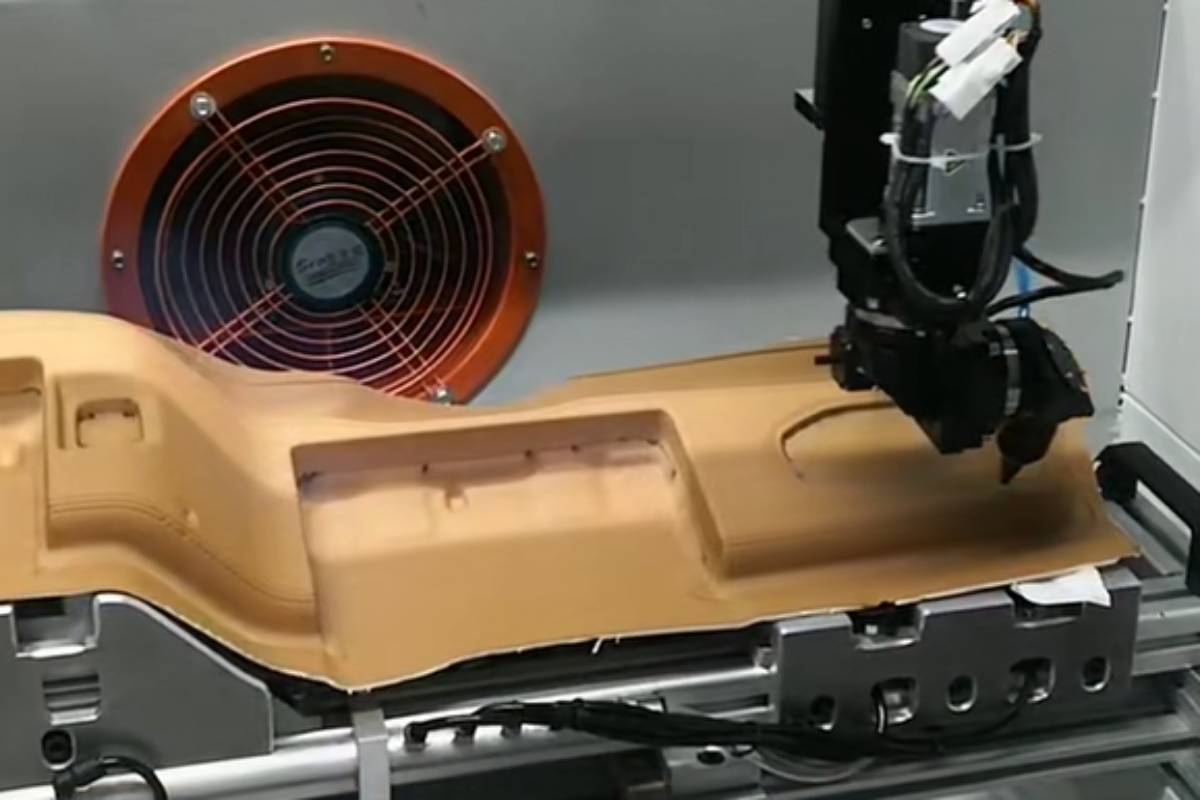
Hot formed components like A-pillars, B-pillars, door impact beams, and tunnel reinforcements are produced by heating boron-alloyed steel to approximately 930°C, forming it in a cooled die, and then quenching it rapidly. This process creates a martensitic microstructure with exceptional strength—often exceeding 1500 MPa.
The problem? At this hardness level, traditional stamping and trimming operations become impractical:
Tool wear is catastrophic: Punching dies wear out rapidly, leading to frequent and costly replacements.
Springback and distortion: The high residual stresses in the material cause mechanical cutting operations to be unpredictable.
Burr formation: Mechanical trimming often leaves significant burrs that require secondary deburring operations.
Laser cut hot-formed components offers a fundamentally different approach. The process uses a focused, high-power laser beam to melt and vaporize the material, entirely independent of its mechanical hardness. This provides several critical advantages:
Material Independence: The cutting quality is unaffected by the material's strength or hardness.
Non-Contact Processing: No mechanical force is applied to the part, eliminating distortion and springback.
Minimal Burrs: Laser cuts are clean and typically require no secondary finishing.
Process Consolidation: Trimming, piercing, and slotting can all be performed in a single clamping, reducing cycle times and improving accuracy.
3D five-axis laser cutting machines are deployed across a wide range of hot formed components. The table below summarizes the most common applications:
| Component | Material Thickness | Key Features to Cut | Processing Requirements |
|---|---|---|---|
| A-Pillar / B-Pillar | 1.2 – 2.0 mm | Trimming perimeter, cutting door hinge holes, side impact sensor mounting slots | High accuracy (±0.2 mm), minimal heat-affected zone, deep hole piercing |
| Door Impact Beam | 1.5 – 2.5 mm | Trimming both ends, welding locating holes | High-speed cutting, clean edge for subsequent welding |
| Tunnel Reinforcement | 1.0 – 1.8 mm | Trimming profile, cutting large openings for components | Complex 3D geometry with varying angles |
| Bumper Beam | 1.5 – 2.5 mm | Trimming, cutting mounting holes, slotting | Thickest material in the set, requires high power for stability |
| Side Member | 1.2 – 2.0 mm | Complex contour trimming, cutouts for mechanical joints | Large part size requiring a large work envelope |
While a simple 2D laser cutter could handle flat sheet blanks, hot formed parts are complex three-dimensional shapes. This is where the five-axis motion system becomes absolutely essential.
For a clean, square cut edge, the laser beam must remain perpendicular to the surface of the workpiece. On a complex, curved component like a B-pillar, a 3-axis system (X, Y, Z) would cause the beam to hit the surface at an oblique angle on sloped sections. This results in an angled cut face, inconsistent kerf width, and potential quality issues. A five-axis system constantly orients the cutting head to maintain perfect beam-to-surface perpendicularity, ensuring a consistent, high-quality cut everywhere on the part.
Many hot formed parts require features like countersunk holes or slotted cutouts near edges or undercuts. The two additional rotary axes allow the nozzle to tilt and access these complex features without collision or mechanical interference.
The consistent nozzle-to-surface standoff distance maintained by a five-axis system is crucial for process stability, particularly when using high-power lasers (e.g., 4kW or 6kW sources). Variations in focus position can lead to inconsistent cut quality or, worse, misfires. Five-axis CNC ensures stable cutting conditions throughout the 3D path.
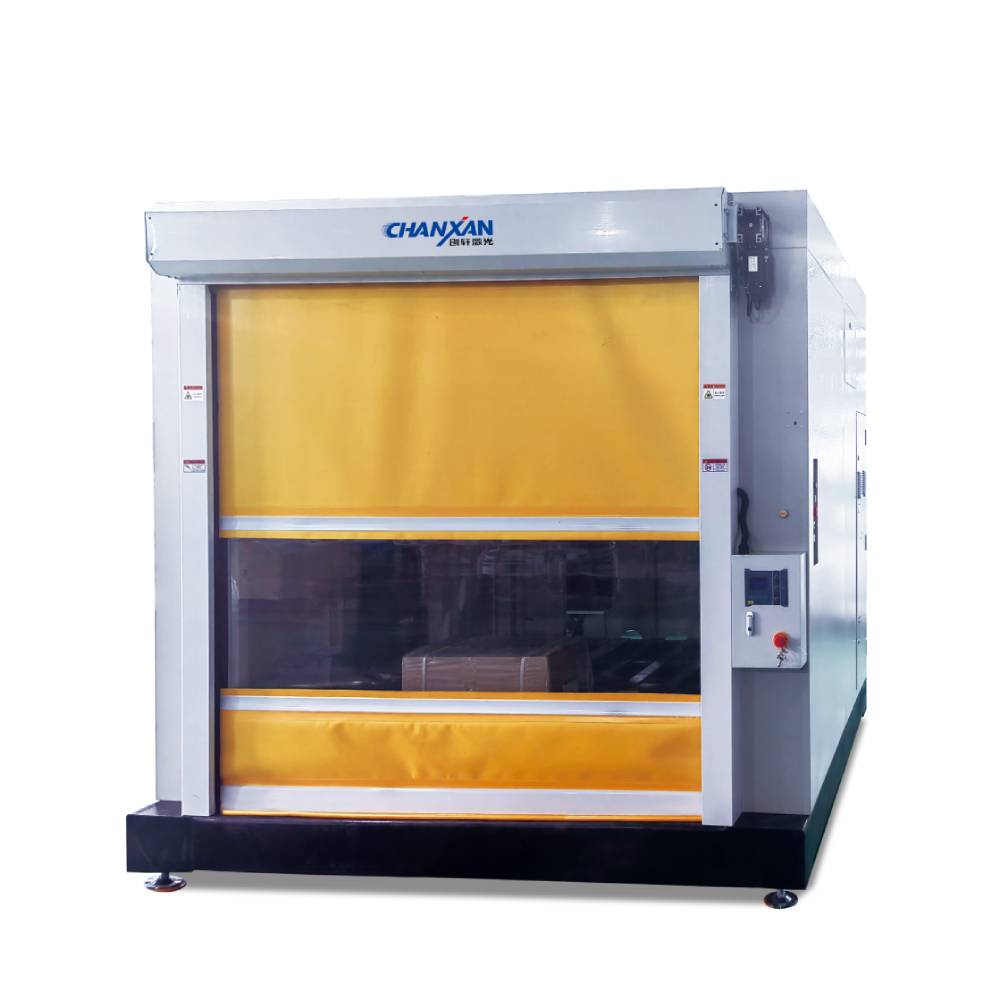
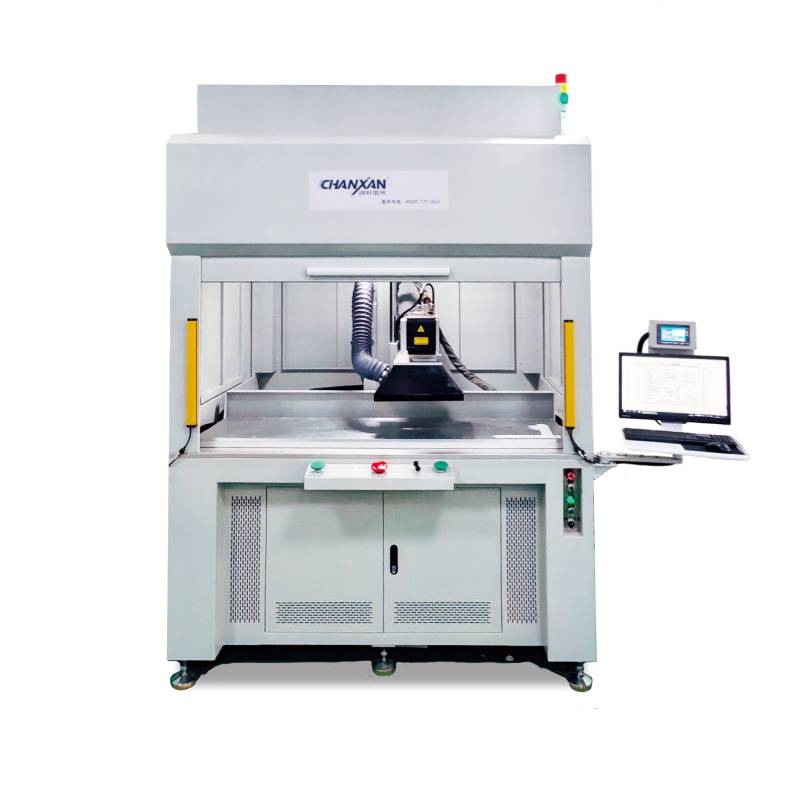
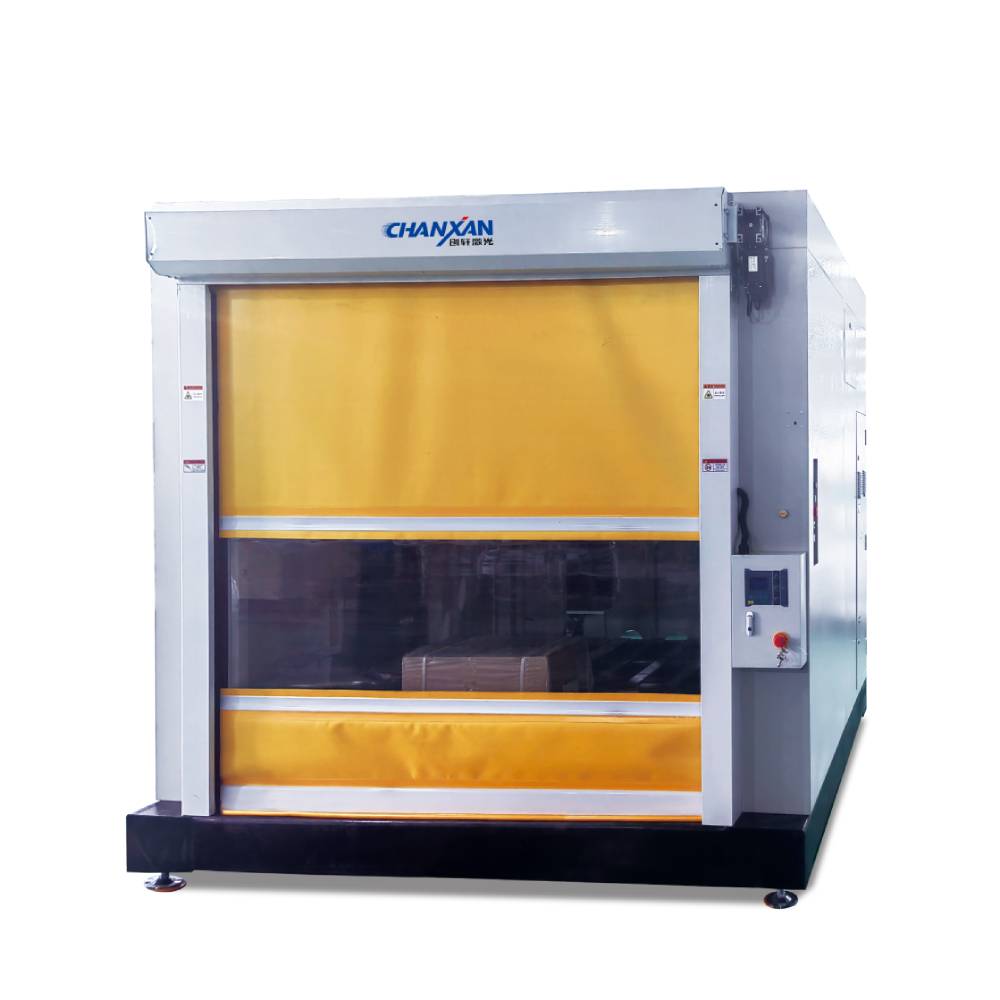
As highlighted in our comprehensive guide, Chanxan is a professional laser equipment manufacturer with over 14 years of expertise in the laser cutting industry. While their standard 3D Five-Axis Laser Cutting Machine is prominently showcased for plastic and composite applications, their manufacturing and engineering capabilities are directly relevant to the automotive hot forming sector.
| Chanxan Strength | Relevance to Hot Forming |
|---|---|
| Fiber Laser Compatibility | The CW-3W1280 is available with a fiber laser option. Fiber lasers (at powers of 3-6 kW) are the industry standard for cutting high-strength steel. The ability to integrate a fiber source is a fundamental requirement for this application. |
| Advanced 3D Motion | The machine features five-axis linkage, a non-negotiable requirement for accurately trimming and piercing the complex 3D geometries of hot formed parts. |
| Rigorous Quality System | Holding dual CE & ISO certifications and over 100 national patents demonstrates a commitment to quality and safety, which is essential for the automotive supply chain. |
| DMP Teaching System | While offline programming is typical for high-volume production, the DMP system offers a powerful alternative for prototype development, low-volume runs, or quickly adjusting to new part designs without intensive programming, offering valuable flexibility. |
| Comprehensive Support | Their Technical Training Service and global after-sales network are particularly important for automotive suppliers who cannot afford unplanned downtime and need their workforce to be fully proficient. |
| Factory-Direct Pricing | Direct manufacturing allows them to offer competitive pricing, a significant advantage for cost-sensitive automotive projects. |
For manufacturers exploring 3D laser cutting solutions for automotive parts, Chanxan represents a capable partner. You can learn more about their technology and capabilities at their product page for the 3D Five-Axis Laser Cutting Machine and explore their broader automotive laser cutting solutions.
Contact Chanxan's engineering experts today to discover customized 3D five-axis laser cutting solutions tailored to your production demands.
Contact Us Today| Free solution
Previous: 5 Axis Laser Cutting vs 3 Axis Laser Cutting: What Is the Difference?
Next: Introducing Chanxan 3D Five-Axis Laser Cutting Machine: Applications, Technology and Buying Guide