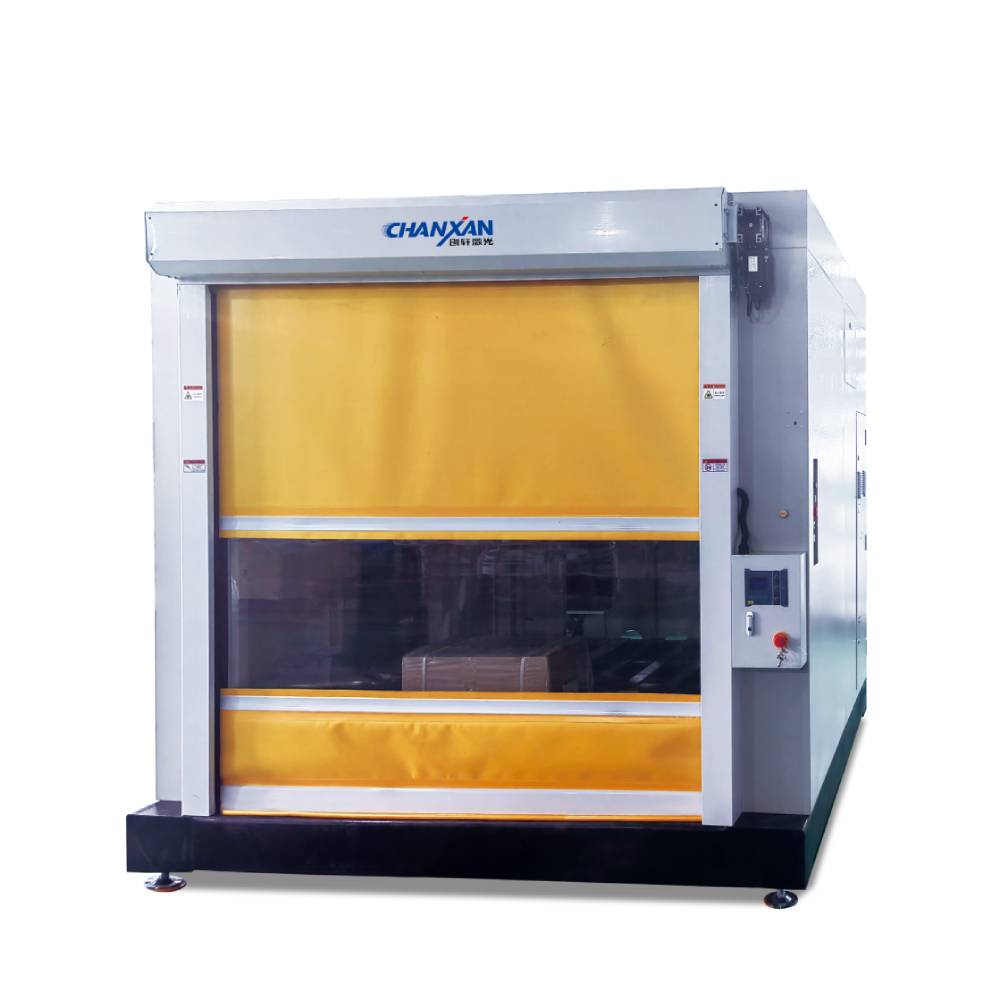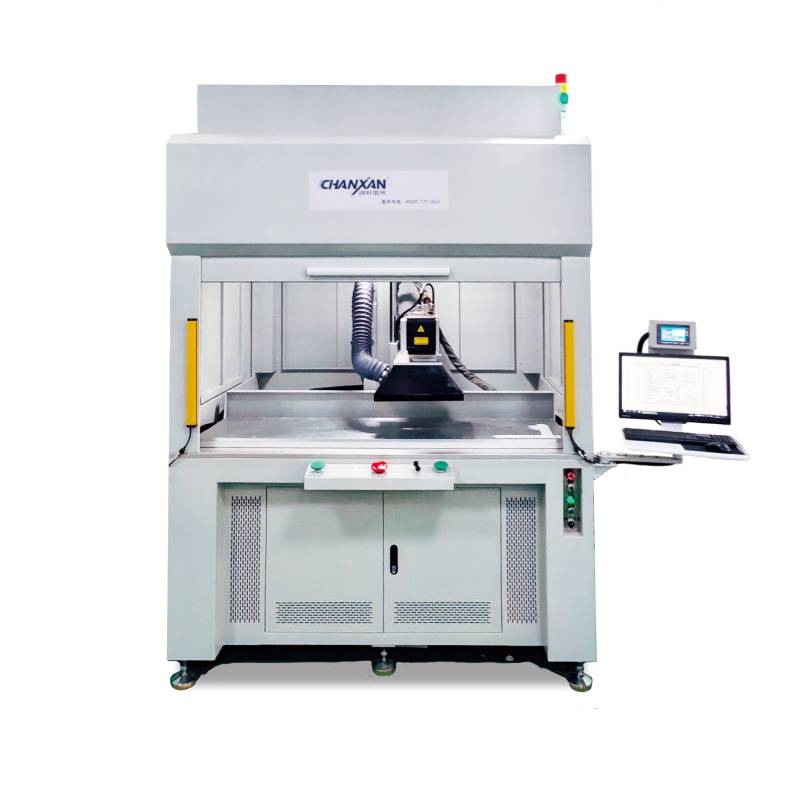

Key Words: Silicon Wafer Dicing PCB Depaneling Glass Cutting
Home > News > Industry News
【Description】:
Comprehensive guide on 3D five-axis laser cutting machines covering CO2 and fiber laser sources, 5-axis motion control, DMP teaching system, and applications in automotive and plastic processing.
In modern manufacturing, the demand for precision, efficiency, and flexibility in cutting complex three-dimensional parts has never been higher. Traditional cutting methods often struggle with intricate geometries, multi-material stacks, or the need for a burr-free finish. The 3D five-axis laser cutting machine has emerged as a transformative solution, combining the precision of laser technology with the dexterity of multi-axis motion.
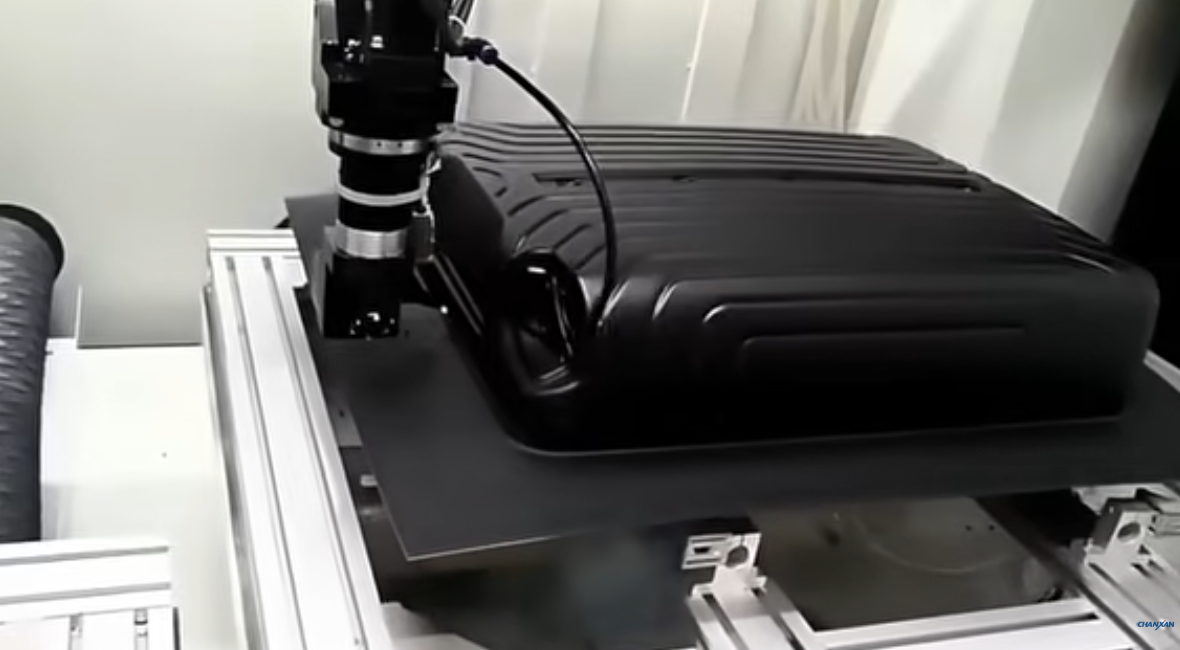
A 3D five-axis laser cutting machine integrates three core technologies: a laser source, a motion system, and a control system.
The machine uses a high-power laser beam to melt, burn, or vaporize the material. The most common types are:
CO₂ Lasers: Often used for non-metallic materials like plastics, wood, and acrylic. They offer excellent beam quality and are cost-effective for many 3D cutting applications, as seen in Chanxan's CW-3W1280 model.
Fiber Lasers: Increasingly popular for cutting metals and some advanced composites due to their higher efficiency, lower maintenance, and ability to be delivered via a flexible fiber optic cable.
This is the heart of the machine's capability. While a standard 3-axis (X, Y, Z) cutter can only work on flat sheets, a five-axis system adds two rotary axes. This allows the cutting head to be positioned at virtually any angle relative to the workpiece. This capability is crucial for:
Maintaining Perpendicularity: Keeping the laser beam perpendicular to the workpiece surface for a clean, square cut, even on curved surfaces.
Taper Cutting: Cutting angled edges or bevels.
Reaching Complex Geometries: Accessing areas that would be impossible with a straight, vertically-oriented beam.
Programming complex 3D paths for five axes can be challenging. Many systems, including the one from Chanxan, utilize a DMP (Direct Motion Programming) Teaching System. This innovative approach simplifies the process:
Trajectory Learning: An operator can physically guide the cutting head along the desired path, and the system records the motion trajectory, parameters, and key points.
Parameter Adjustment: The operator can then fine-tune parameters like speed and power for different segments of the path.
Program Generation: The system generates a program file that is downloaded to the control card for precise, repeatable automated processing. This method is far more intuitive and requires less specialized programming knowledge than traditional G-code creation, making it simple and easy to learn.
The primary strength of a 3D five-axis laser cutter lies in its ability to process pre-formed, three-dimensional workpieces in a single setup. This eliminates the need for multiple operations and costly hard tooling. Key application areas include:
Automotive Industry: This is a dominant sector. The machine is used for trimming automotive interior plastic parts (dashboards, door panels), cutting airbag deployment seams, and perforating or trimming exterior components like bumpers and spoilers. The ability to cut complex curves and holes in molded parts with high speed and precision is critical for both safety and aesthetics.
Home Appliance Manufacturing: Plastic casings for appliances (TVs, washing machines, air conditioners) often require intricate cutouts for vents, control panels, and wiring. 3D laser cutting provides a clean, burr-free edge that is ready for assembly, improving product quality.
Consumer Goods & PPE: The technology is ideal for cutting and drilling helmet shells (e.g., bicycle and motorcycle helmets), shoe heels, blister toys, models, and even medical masks. Its flexibility allows for easy adaptation to different product designs.
General Plastic and Composite Processing: The process is highly effective on a wide range of materials, including PP, PA, PUR, PBT, PET, PE, TPU, ABS, PVC, and PC. It is also used for trimming aluminum-plastic parts and semi-finished products with irregular shapes, offering a versatile solution for many fabrication shops.
Investing in a 3D five-axis laser cutting machine is a significant decision. Here’s a practical checklist to guide your evaluation:
Define Your Application and Materials:
Material Type: Will you primarily cut plastics, metals, composites, or a mix? This determines the required laser type (CO₂ vs. fiber) and power.
Workpiece Size: The machine's work envelope (e.g., the 1200 x 800 x 500 mm dimensions of the Chanxan model) must accommodate your largest parts.
Thickness & Complexity: Thicker materials or more intricate 3D shapes require higher power and more robust motion control.
Evaluate Precision and Speed:
Positioning Accuracy: Look for specifications like < 0.2 mm to ensure high-quality, repeatable cuts.
Cutting Speed: Maximum cutting speed (e.g., 0–4000 mm/min) affects throughput and production efficiency. Balance speed with the desired cut quality for your specific materials.
Assess System Usability:
Programming Ease: Systems with DMP or similar "teach-and-repeat" functions can drastically reduce setup time and reliance on highly specialized programmers.
Software Compatibility: Ensure the machine's software can import common 3D CAD file formats if you plan to use offline programming.
Consider Total Cost of Ownership:
Initial Investment: Compare machine costs, but also factor in auxiliary equipment like chillers and fume extractors.
Consumables: Laser tubes (for CO₂ lasers), lenses, and nozzles have finite lifespans and costs.
Maintenance: Look for machines designed for low maintenance. Fiber lasers generally have lower maintenance costs than CO₂ lasers over a long period.
Fixturing Costs: One of the major advantages of laser cutting is the low cost of fixtures. As the cutting process is non-contact and stress-free, simple positioning fixtures are sufficient, and they are often reusable, saving significant tooling expenses.
Chanxan's 3D Five-Axis Laser Cutting Machine is a strong example of a modern 3D laser cutter designed for the manufacturing sector. Its key attributes align well with the needs of the automotive and plastic processing industries.
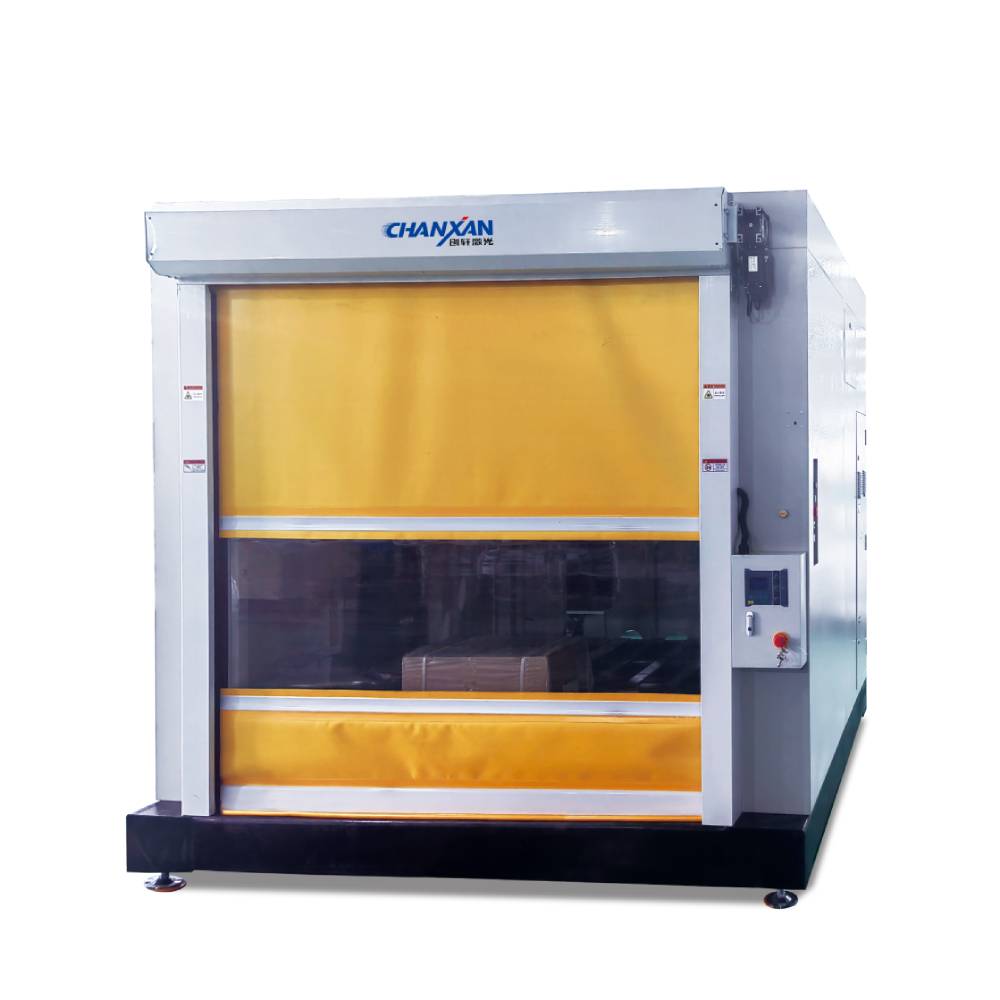
Advanced 3D Motion: Features five-axis linkage, enabling complex 3D cutting and 3D programming that is simple and easy to learn. It is adept at handling various materials.
Laser Type and Power: The machine can be equipped with a CO₂ glass tube or a fiber laser, offering flexibility for different material processing needs with 0–100% power adjustment.
Cost-Effective Fixtures: Leverages the non-contact, stress-free nature of laser cutting to allow for simple, low-cost, and reusable positioning fixtures.
DMP Teaching System: As described earlier, this system learns motion trajectories, adjusts parameters, and generates program files for precise processing, simplifying complex programming tasks.
Performance: Achieves a maximum curve speed of 6000 mm/min and a cutting speed of 0–4000 mm/min with a positioning accuracy of < 0.2 mm. The compact machine dimensions are 1200 × 800 × 500 mm.
The 3D five-axis laser cutting machine is a powerful tool that offers unmatched flexibility, precision, and efficiency for processing complex three-dimensional parts. A reliable laser equipment supplier like Chanxan Laser exemplifies the modern approach, combining robust machine technology with a strong commitment to customer success through training, support, and a partnership-oriented business model. As manufacturing continues to evolve, this technology will undoubtedly play an increasingly vital role in enabling high-quality, cost-effective production.
Get in touch with Chanxan's technical engineers to discuss your custom material testing, receive live video demos, or request a detailed quotation tailored to your production needs.
Contact Chanxan Experts →| Free solution
Previous: 3D 5-Axis Laser Cutting for Automotive Hot Formed Parts
Next: Thin Film Laser Cutting vs Die Cutting: Which Is Right for Your Manufacturing Process?