
Key Words: Silicon Wafer Dicing PCB Depaneling Glass Cutting
Home > News > Industry News
【Description】:
Explore how laser technology and high-speed CO2 leather laser marking machines are transforming automotive interior manufacturing.
With the continuous advancement of automobile production technology, laser technology has become increasingly integral to automotive manufacturing. Its applications now span a wide spectrum:
| Application Area | Laser Process | Purpose |
|---|---|---|
| Interior decoration | Laser engraving | Create textured finishes on dashboards, door panels, and steering wheels |
| Instrument panels | Translucent button marking | Enable backlit symbol illumination for night-time visibility |
| Body manufacturing | Laser welding | Join metal components with precision and strength |
| Plastic parts | Laser cutting | Trim and shape interior and exterior plastic components |
| Interior trimming | Laser cutting and perforation | Create precise openings and patterns in upholstery materials |
Among these applications, laser engraving on automobile steering wheels has emerged as a particularly important area. This technology serves two primary purposes:
Automotive logo engraving – adding brand identities and decorative elements to the steering wheel surface.
Texture polishing / surface texturing – creating friction-enhancing patterns that improve driver grip and safety.
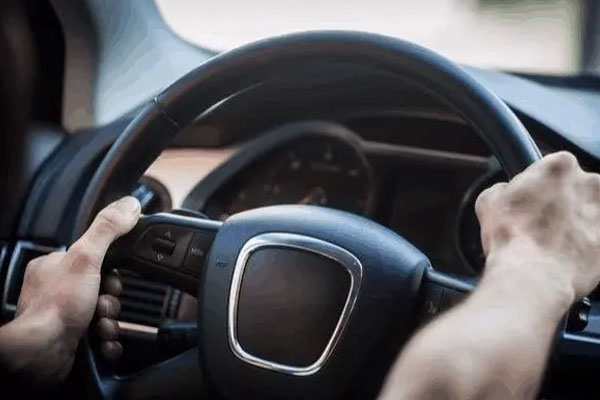
The steering wheel is one of the most frequently touched surfaces in a vehicle. As such, it must meet several demanding requirements:
| Requirement | Why It Matters |
|---|---|
| Safety | The wheel must provide adequate grip – texture prevents slipping during emergency manoeuvres. |
| Aesthetics | The wheel is a highly visible part of the interior – logos and finishes contribute to brand identity and perceived quality. |
| Durability | The wheel is subject to constant handling, UV exposure, and temperature changes – markings must remain legible. |
| Comfort | Surface finishes must feel pleasant to the touch without being abrasive. |
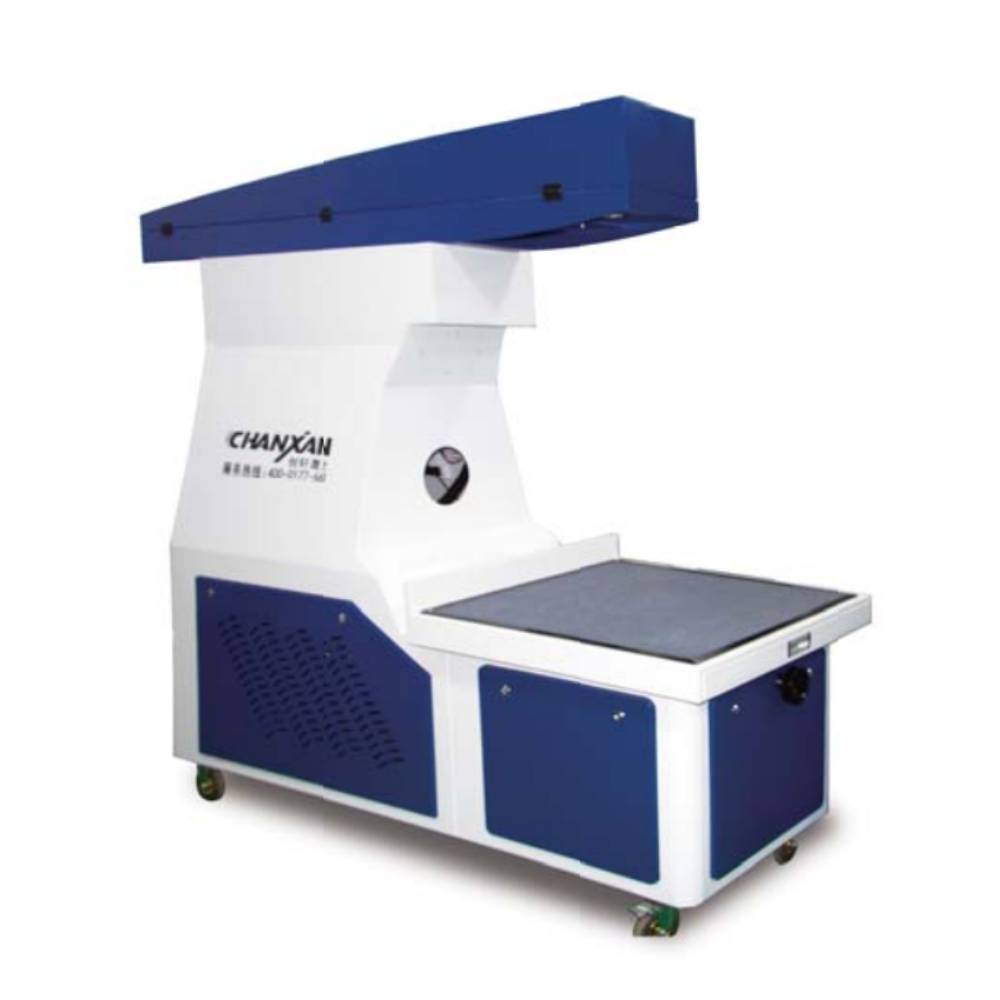
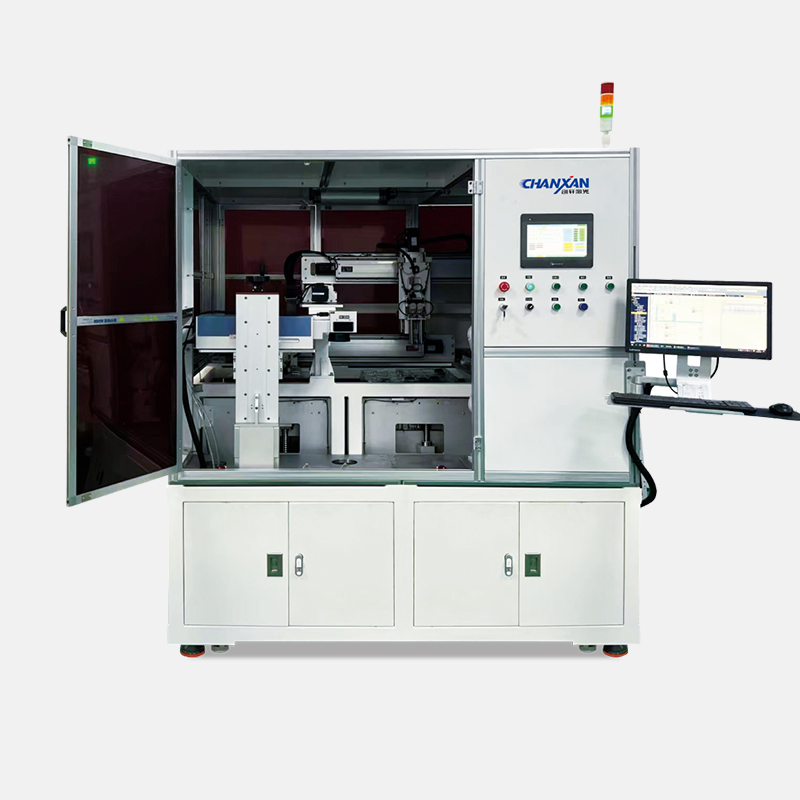
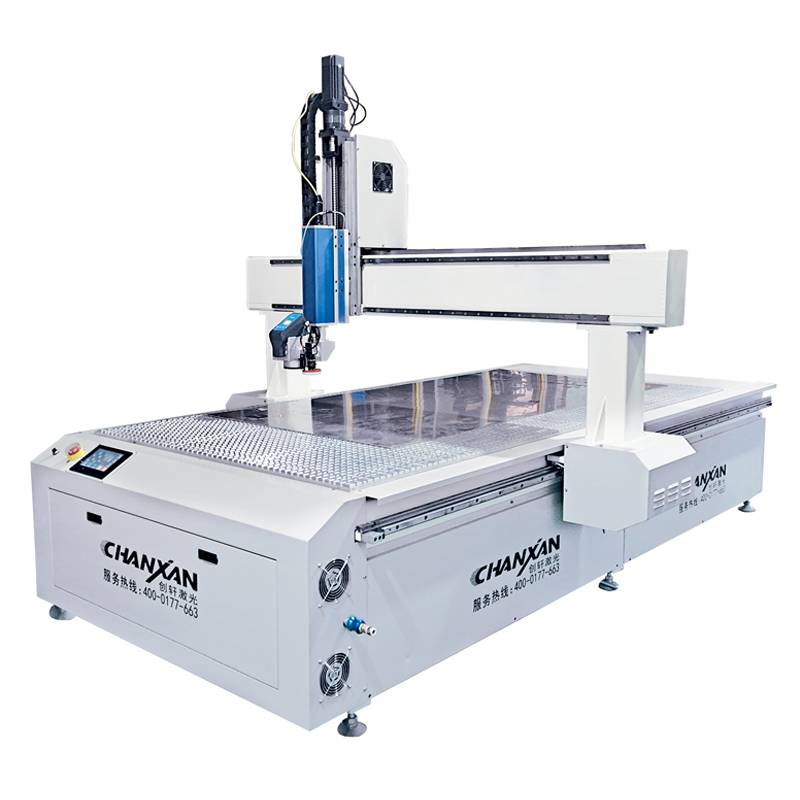
The primary equipment used for marking and engraving steering wheel covers is the leather laser marking machine. This system is specifically designed to process a wide range of textile and leather materials used in automotive interiors.
| Capability | Description |
|---|---|
| Personalised laser engraving | Create custom designs, logos, and patterns on steering wheel covers. |
| Precision perforation / hollow punching | Add ventilation or decorative holes. |
| Precision cutting | Cut steering wheel covers to exact dimensions for different vehicle models. |
| Fabric burning / etching | Create textured finishes on various materials. |
| Multi-process integration | Cutting, engraving, and marking on a single machine – one machine, multiple uses. |
The leather laser marking machine can process a wide variety of automotive interior materials:
| Material Category | Specific Examples |
|---|---|
| Natural leather | Cowhide, sheepskin, Nappa leather |
| Synthetic leather | PU leather, PVC leather, leatherette |
| Fabric materials | Plush fabrics, non-woven fabrics, cotton and linen blends |
| Chemical fibres | Polyester, nylon, microfibre |
| Other materials | Acrylic, plastic rubber, and various composite materials |
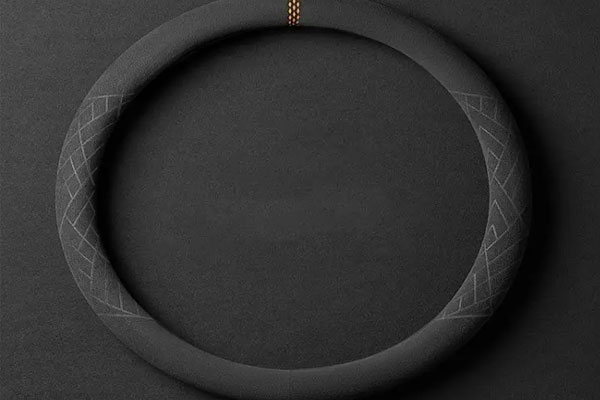
| Application | Process | Result |
|---|---|---|
| Automotive logos | Laser engraving on leather surface | Permanent, high-contrast brand marking – does not fade or wear. |
| Embossed / debossed designs | Controlled depth engraving | Creates tactile 3D effects for premium feel. |
| Model / variant identification | Laser marking | Allows easy identification of trim levels and options. |
Why Laser? Logos produced by laser engraving are permanent, highly legible, and do not fade or wear – even after years of handling and UV exposure. The precision of laser marking also enables fine details down to 0.1 mm, far exceeding traditional methods.
| Texture Type | Purpose | Safety Benefit |
|---|---|---|
| Friction-enhancing patterns | Improve grip on the steering wheel | Reduces the risk of hand slipping during emergency driving. |
| Perforated ventilation holes | Enhance breathability and comfort | Provides air circulation, improving comfort during long drives. |
| Decorative textures | Enhance aesthetic appeal | Creates premium visual and tactile experience. |
Key Point: The texture polishing function is not merely decorative – it is a safety feature. A well-textured steering wheel provides better grip, especially in wet conditions or during sudden manoeuvres, directly contributing to driving safety.
The same leather laser marking machine can also be applied to other automotive interior components:
| Component | Typical Processing |
|---|---|
| Seat covers | Engraving, cutting, perforation of various fabrics and leathers. |
| Door panels | Surface engraving and marking for decorative patterns. |
| Dashboard covers | Texturing and marking. |
| Headrests | Logo marking and decorative engraving. |
| Gear shift knobs | Precision marking and texturing. |
Chanxan Laser is a leading manufacturer of CO₂ laser processing equipment for non-metallic materials. Our leather laser marking machines are specifically designed for automotive interior applications, including steering wheel engraving, leather cutting, and interior decoration processing.
| Free solution