
Key Words: Silicon Wafer Dicing PCB Depaneling Glass Cutting
Home > News > Industry News
【Description】:
Compare top FPC laser cutting equipment manufacturers and learn how to choose the best FPC laser cutting machine for precision electronics manufacturing.
The electronics industry is in a constant state of evolution, with a relentless drive towards miniaturization, increased functionality, and enhanced reliability. Flexible Printed Circuits (FPCs) are at the forefront of this revolution, enabling compact and dynamic designs in a myriad of applications. Choosing reliable FPC laser cutting equipment manufacturers is paramount for achieving optimal precision, maximizing yield, and ensuring production efficiency in today's competitive market. This guide aims to equip you with the knowledge to make an informed decision in 2026.
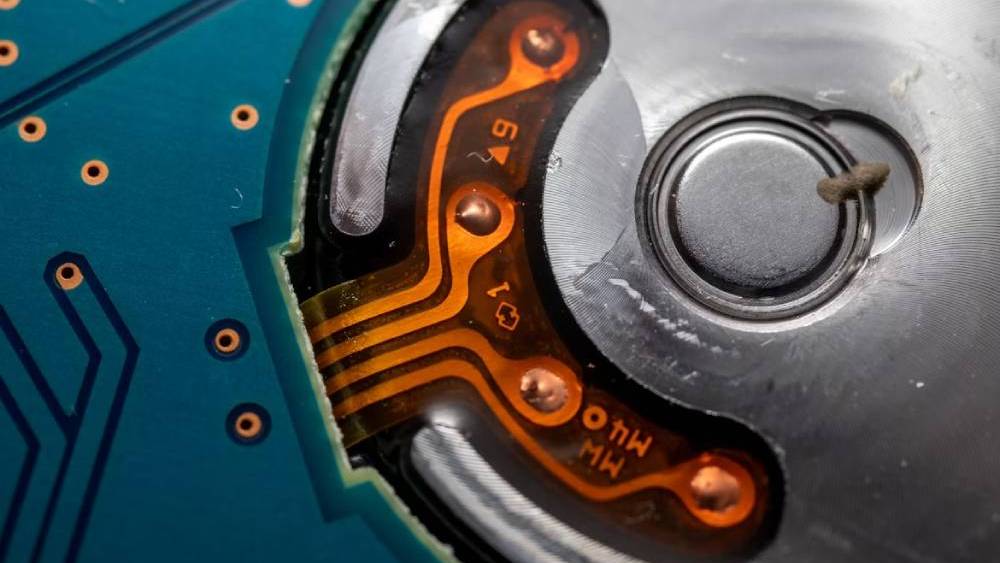
Flexible Printed Circuits (FPCs) are electronic circuits constructed on flexible substrates, typically polyimide (PI) or polyethylene terephthalate (PET) films, often clad with copper. Unlike rigid PCBs, FPCs can be bent, folded, and twisted, making them ideal for applications requiring dynamic movement, space-saving designs, or complex three-dimensional interconnections. Their unique properties enable a wide range of applications across various industries like consumer electronics.
The demand for higher density, finer lines, and smaller features in FPCs has exposed the inherent limitations of traditional processing methods. Laser cutting offers a superior alternative, addressing these challenges with advanced capabilities:
Method | Key Limitations | Advantages of Laser Cutting |
Die Cutting | Tool wear, high mold cost, limited precision | No tool wear, cost-effective for prototyping and low volume, high precision |
CNC Routing | Mechanical stress, burrs, dust generation, limited for fine features | Non-contact, no mechanical stress, clean cuts, micro-scale precision |
Punching | Burrs, material deformation, limited for complex shapes | Clean edges, minimal deformation, intricate geometries possible |
Laser cutting for FPCs emphasizes several critical advantages:
• Non-contact processing: Eliminates mechanical stress and material deformation.
• Micro-scale precision: Achieves extremely fine features and tight tolerances.
• Reduced thermal impact: Advanced laser sources minimize the Heat Affected Zone (HAZ).
• Clean edges: Produces smooth, burr-free cuts, crucial for electrical performance.
• Versatility: Capable of processing a wide range of flexible materials and complex geometries.
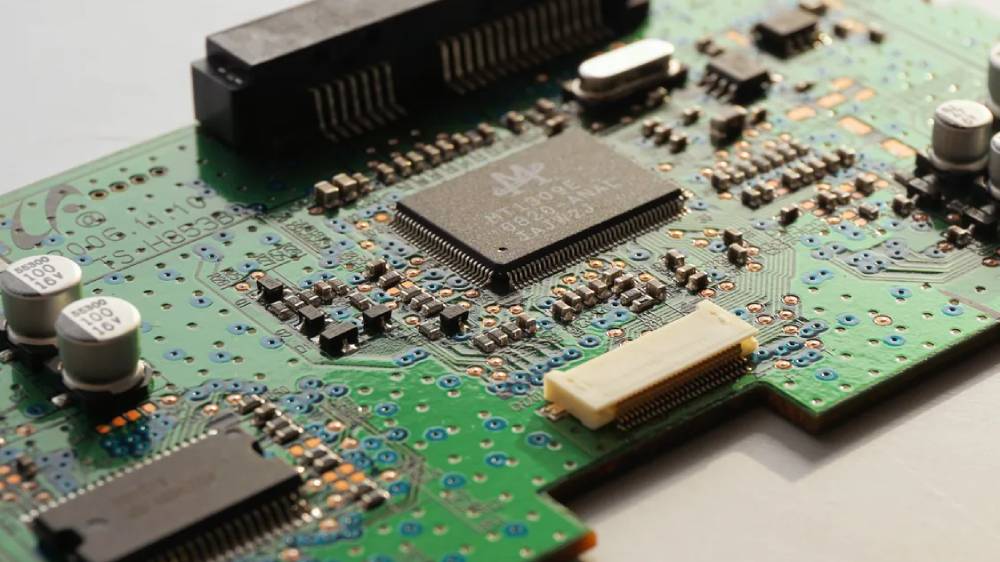
Selecting the right FPC laser cutting equipment manufacturers requires a thorough evaluation of several technical and operational factors. This section delves into the core considerations that will influence your decision.
The choice of laser source is fundamental to the performance and application suitability of the equipment. Different manufacturers specialize in various laser technologies, each with distinct characteristics. Manufacturers with expertise in ultrafast laser technologies (picosecond and femtosecond) offer significant advantages for FPC processing due to their ability to achieve:
• Low HAZ: Minimizing thermal stress on sensitive FPC materials.
• No carbonization: Ensuring pristine cut edges without residue.
• Cleaner edges: Essential for maintaining electrical performance and aesthetic quality.
• Fine feature processing: Enabling the creation of intricate designs and micro-components.
The core requirement for FPC laser cutting is precision. Evaluating a manufacturer's capabilities in this area involves scrutinizing several key metrics:
• Positioning Accuracy: The ability of the system to accurately place the laser beam, often measured in microns.
• Micron-level Cutting: The capability to achieve cut widths and feature sizes at the micron scale.
• Kerf Width: The width of the cut produced by the laser, with narrower kerfs indicating higher precision.
• Edge Quality: The smoothness and cleanliness of the cut edges, free from burrs, delamination, or excessive thermal damage. Poor edge quality may affect FPC electrical performance and reliability.
• Carbonization Control: The effectiveness of the system in preventing or minimizing carbon residue along the cut lines.
Leading FPC laser cutting equipment manufacturers invest heavily in advanced optics, motion control systems, and laser parameter optimization to deliver superior precision and cutting quality.
For modern FPC manufacturing, automation is crucial for increasing throughput, reducing labor costs, and ensuring consistent quality. Key automation features to look for include:
• CCD Vision Alignment: Camera-based systems for precise alignment of FPC panels, compensating for material distortion or placement inaccuracies.
• Automatic Loading/Unloading: Robotic or automated systems for feeding and retrieving FPC panels, enabling continuous operation.
• Roll-to-Roll Processing: Systems designed to process FPC materials directly from a roll, ideal for high-volume production of flexible substrates.
• Inline Production Compatibility: The ability to seamlessly integrate the laser cutting system into existing or planned production lines.
A versatile FPC laser cutting system should be capable of processing a wide array of materials commonly used in flexible circuits. This includes:
• PI film (Polyimide film): A common substrate known for its excellent thermal and mechanical properties.
• PET film (Polyethylene terephthalate film): Another widely used flexible substrate.
• Copper foil: The conductive layer in FPCs.
• Adhesive film: Used for bonding layers in multilayer FPCs.
• EMI shielding materials: Essential for protecting sensitive electronics from electromagnetic interference.
• Multilayer FPC: Systems capable of precisely cutting through multiple stacked layers.
The depth of a manufacturer's industry experience often correlates with their ability to provide robust solutions and comprehensive support. Consider manufacturers with a proven track record in sectors such as:
• Semiconductor: Requiring ultra-high precision and clean processing.
• Electronics: Broad experience across various electronic components.
• PCB/FPC Manufacturing: Direct expertise in flexible circuit production.
• Battery Materials: For applications in EV battery systems and other energy storage devices.
Manufacturers with deep electronics-processing experience usually provide better process support, offering valuable insights into material handling, process optimization, and troubleshooting.
When evaluating FPC laser cutting equipment manufacturers, it's important to consider their strengths and specializations rather than a simple ranking. The
best choice will depend on your specific production needs, budget, and desired level of precision. Here, we categorize manufacturers to help you understand the landscape:
These manufacturers typically offer cutting-edge technology, often featuring femtosecond and picosecond laser systems. They cater to industries demanding the absolute highest precision, such as semiconductor manufacturing and advanced microelectronics. Their equipment comes with a premium pricing, reflecting their advanced capabilities and semiconductor-grade precision.
Representative manufacturers include:
Coherent
TRUMPF
MKS Instruments (including Spectra-Physics ultrafast lasers)
Han's Laser (high-end ultrafast product lines)

This category includes manufacturers focused on providing robust, high-throughput solutions for large-scale FPC production. Their offerings often emphasize scalable manufacturing processes, customized automation features like roll-to-roll processing and automatic loading/unloading, and seamless integration into existing production lines. While still offering high precision, their primary focus is on optimizing for speed, efficiency, and cost-effectiveness in mass production environments.
Representative manufacturers include:
· LPKF
· Han's Laser
· Chanxan Laser
· HGTECH
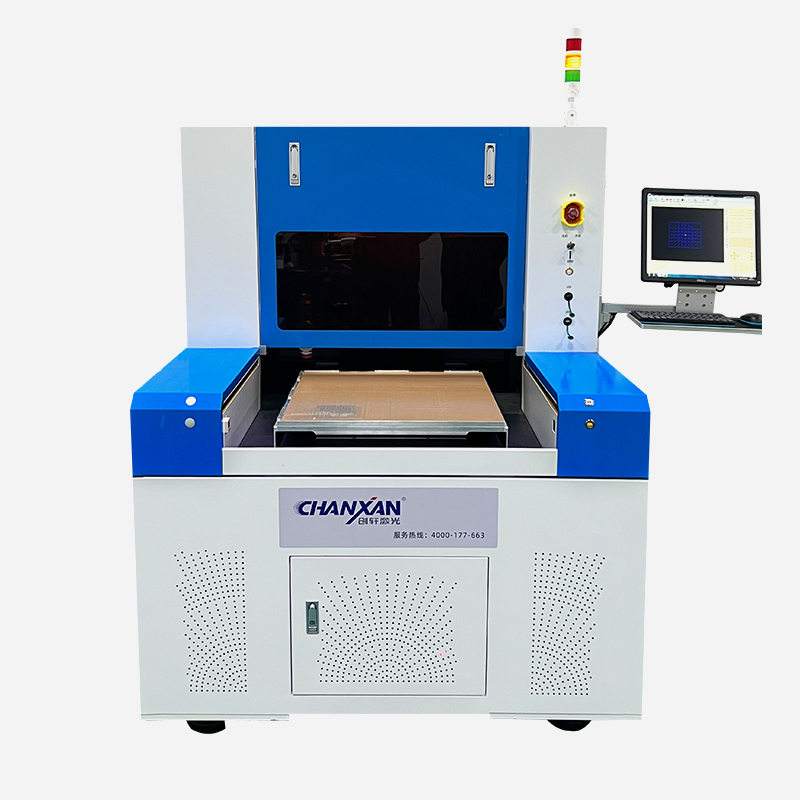
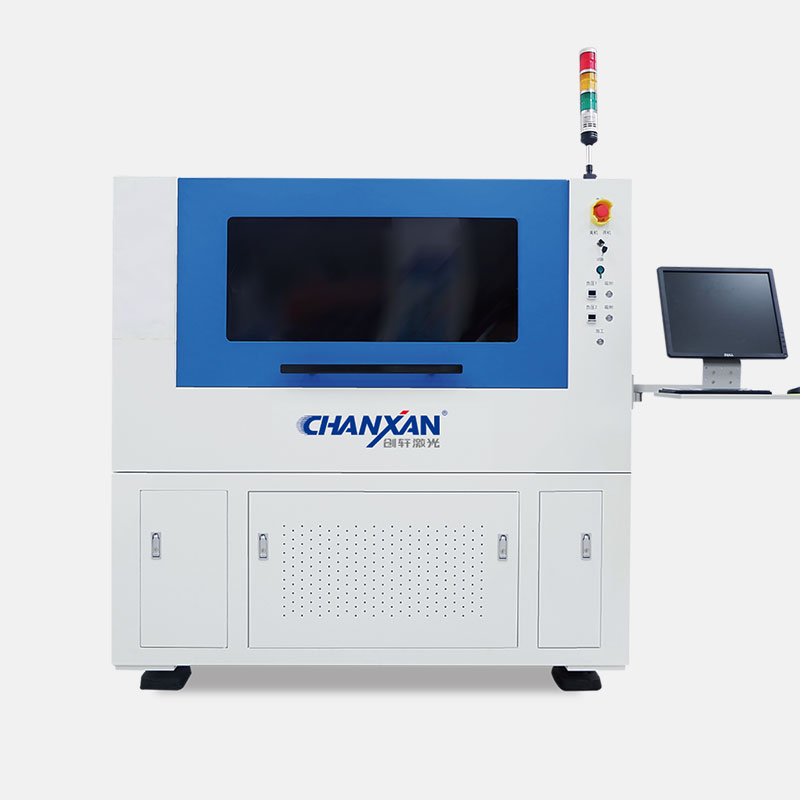
As an industrial production-oriented supplier, Chanxan Laser focuses on precision laser cutting systems for flexible materials and electronics manufacturing, offering customized FPC laser cutting equipment with scalable automation options, vision positioning, and production-oriented solutions optimized for efficiency and cost control.
This positioning makes Chanxan Laser particularly suitable for large-scale FPC production, electronics manufacturing, and flexible material processing environments.
These manufacturers aim to provide a balance between performance and affordability. They often offer UV laser systems and sometimes picosecond lasers, delivering excellent precision and quality suitable for a wide range of FPC applications without the premium price tag of the most advanced ultrafast systems. They are a strong option for companies looking for reliable performance and good value.
Representative manufacturers include:
· GCC LaserPro
· Perfect Laser
· Golden Laser
· Chanxan Laser

Among numerous FPC laser cutting equipment manufacturers, Chanxan Laser has become the ideal partner for many companies. They offer a range of cutting-edge laser technology systems, from precision UV laser cutting to advanced nanosecond, picosecond, and femtosecond laser systems, tailored to the varying requirements of different manufacturers for FPC cutting precision and shapes. With optional light source configurations such as infrared and ultraviolet, Chanxan Laser maximizes its ability to meet customized customer needs, satisfying the ever-changing demands of FPC manufacturing. Furthermore, their appeal lies in the perfect combination of reliable quality, comprehensive end-to-end sales service, wide industry applications, and complete technical support.
Choosing the optimal FPC laser cutting equipment is a strategic decision that impacts production efficiency, product quality, and long-term profitability. This buyer's guide outlines key considerations based on different production scenarios:
For prototyping and small-volume production, flexibility and quick setup are paramount. Look for systems that offer easy programming, versatile material handling, and a balance between precision and cost. UV laser systems are often a good choice here due to their precision and relatively lower operational costs compared to ultrafast lasers.
High-volume manufacturing demands speed, automation, and reliability. Systems with advanced automation features like roll-to-roll processing, automatic loading/unloading, and inline integration capabilities are essential. Consider manufacturers who can provide robust, scalable solutions with proven uptime and efficient material flow. Ultrafast lasers may be justified here for their speed and superior quality, even with higher initial investment.
Processing ultra-thin FPC materials requires exceptional precision and minimal thermal impact to prevent damage.Femtosecond and picosecond laser systems are highly recommended for these applications due to their ultra-low Heat Affected Zone (HAZ) and ability to produce pristine cuts without carbonization or material deformation.
For applications demanding the highest levels of precision, such as in medical devices or aerospace electronics, focus on manufacturers specializing in ultrafast laser technology and offering micron-level accuracy, superior edge quality, and advanced vision alignment systems. These systems often come with comprehensive process support and application expertise.
To simplify your decision-making process, consider the following checklist:
• Material Type: What specific FPC substrates (PI, PET, copper, adhesives) will you be processing?
• Thickness: What are the minimum and maximum thicknesses of your FPC materials?
• Tolerance: What are the required dimensional tolerances for your FPC components?
• Production Volume: What is your expected daily, weekly, or monthly production volume?
• Automation Requirement: Do you need features like CCD alignment, automatic loading, or roll-to-roll processing?
• Budget: What is your allocated budget for the equipment purchase and ongoing operational costs?
The best laser for FPC cutting depends on your specific application. UV lasers are excellent for precision and minimal thermal impact on delicate materials. Ultrafast lasers (picosecond and femtosecond) offer even higher precision, virtually no HAZ, and are ideal for ultra-thin materials and the most demanding applications. Fiber lasers are generally not recommended for FPC cutting due to their higher thermal impact, which can damage sensitive flexible materials.
While fiber lasers are powerful and efficient for cutting metals and thicker materials, they are generally not suitable for FPC cutting. The longer wavelength and higher thermal energy of fiber lasers can cause significant thermal damage, carbonization, and material deformation in delicate FPC substrates, leading to poor edge quality and reduced electrical performance. For FPC, cold processing lasers like UV, picosecond, or femtosecond lasers are preferred.
Yes, UV lasers are often considered an excellent choice for flexible PCB (FPC) cutting.Their shorter wavelength allows for a smaller spot size and higher absorption by organic materials, leading to a cold ablation process. This results in minimal Heat Affected Zone (HAZ), clean cuts, and high precision, making them highly effective for the delicate and intricate patterns found in FPCs. For even higher precision and virtually no thermal impact, ultrafast lasers (picosecond and femtosecond) are superior.
FPC laser cutters are highly versatile and can process a wide range of materials commonly used in flexible circuits. These include, but are not limited to: Polyimide (PI) film, Polyethylene Terephthalate (PET) film, copper foil, various adhesive films, Liquid Crystal Polymer (LCP), and EMI shielding materials. They are also capable of cutting through multiple layers of these materials in multilayer FPC structures.
The cost of an FPC laser cutting machine can vary significantly based on several factors, including the type of laser source (UV, picosecond, femtosecond), the level of automation, precision capabilities, brand, and additional features. Entry-level UV laser systems might start from tens of thousands of dollars, while high-end ultrafast laser systems with advanced automation can range from hundreds of thousands to over a million dollars. It's crucial to consider the total cost of ownership, including maintenance, consumables, and potential productivity gains, when evaluating the investment.
The "best" manufacturer depends entirely on your specific precision requirements, material types, production volume, automation needs, and budget. There isn't a single best manufacturer for all applications. Instead, it's about finding the manufacturer whose technology, expertise, and support best align with your operational goals. For example, some excel in high-end ultrafast laser technology for semiconductor-grade precision, while others offer robust, cost-effective solutions for industrial production. It is recommended to thoroughly evaluate several manufacturers based on the key factors discussed in this article.
Need help selecting an FPC laser cutting solution?Contact Chanxan Laser for sample testing and customized recommendations.
The landscape ofFPC manufacturing is rapidly evolving, with laser cutting emerging as the indispensable technology for meeting the demands of modern electronics. The transition from traditional methods to laser processing is driven by the undeniable advantages in precision, cost-efficiency, speed, yield, and suitability for miniaturized designs. Choosing the right FPC laser cutting equipment manufacturers is a critical strategic decision that directly impacts your production capabilities and competitive edge.
By carefully evaluating factors such as laser source technology, precision and cutting quality, automation capabilities, supported materials, and industry experience, businesses can make informed choices. Manufacturers like Chanxan Laser offer a compelling combination of advanced precision processing, flexible customization, broad industry application expertise, and dedicated technical support, making them a strong contender for those seeking reliable and high-performance FPC laser cutting solutions. As FPC technology continues to advance, partnering with a knowledgeable and capable equipment manufacturer will be key to unlocking innovation and achieving manufacturing excellence.
| Free solution
Previous: How to Choose a Wafer Dicing Machine: Buyer's Guide for Semiconductor Manufacturing
Next: PCB Depaneling Methods: Mechanical vs Laser Depaneling