
Key Words: Silicon Wafer Dicing PCB Depaneling Glass Cutting
Home > News > Industry News
【Description】:
Compare FPC UV laser cutting machine price & ROI. Discover whether nanosecond or ultra-fast picosecond lasers maximize your EMS production yield.
In the highly competitive electronics manufacturing services (EMS) sector, choosing the wrong laser source can result in either rejected batches due to poor quality or a bloated payback period due to excessive capital investment. To determine the true return on investment (ROI), we must dive deep into the underlying laser-material interactions, processing speeds, upfront capital expenditure (CapEx), and long-term operating expenses (OpEx).
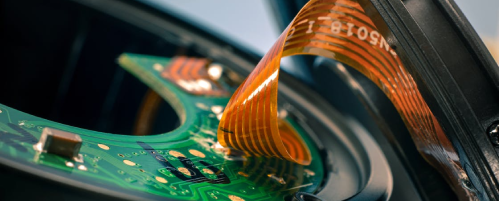
The fundamental difference between these two technologies lies in the time domain of the laser pulse, which completely alters how energy is transferred to the FPC material. Both systems typically utilize a 355nm UV laser wavelength because ultraviolet light is highly absorbed by both the copper foil and the polyimide film (PI film) base, allowing for efficient material removal. However, the way they remove that material is entirely different:
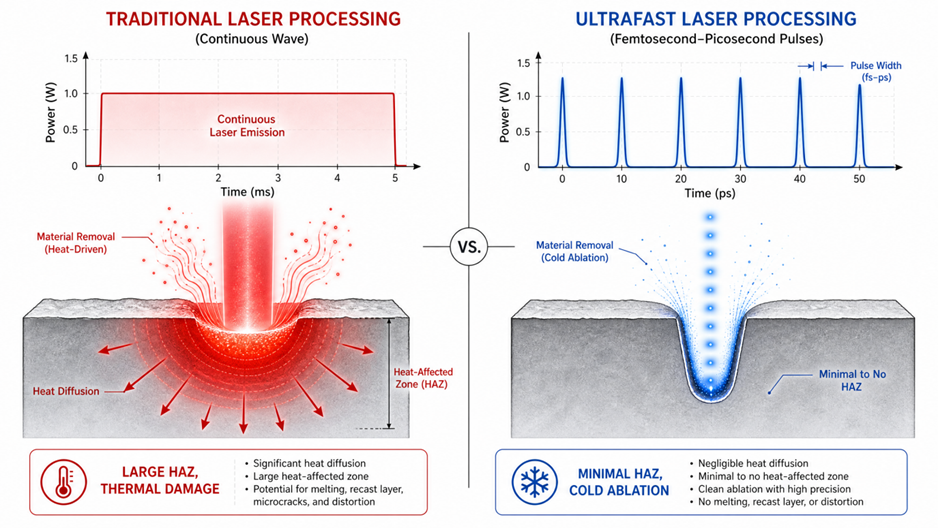
Nanosecond Lasers (10^{-9} seconds): A nanosecond laser delivers energy in relatively long bursts. This triggers a photothermal process. The material absorbs the UV light, rapidly heats up to its boiling point, and vaporizes. Because the pulse duration is long enough for heat to travel sideways into the surrounding material, it creates a noticeable heat affected zone (HAZ).
Picosecond Lasers (10^{-12} seconds): A picosecond laser is classified as an ultrafast laser utilizing ultra-short pulses. The pulse duration is shorter than the thermal relaxation time of the material. Instead of melting, the laser energy strips electrons directly from the molecular lattice, causing a micro-explosion of plasma. This photoablation process drastically minimizes thermal transfer.
For an engineer troubleshooting a production line, this physics lesson translates directly to yield rates. If your factory is constantly fighting cut carbonization / scorching, micro-delamination between the copper and adhesive layers, or edge burrs, the picosecond laser represents a massive leap forward in processing precision. It narrows the kerf width (slot width) and yields clean, structurally sound sidewalls.
In B2B manufacturing, time is money, and throughput is the ultimate metric of success. This is where the debate over cost-effectiveness becomes nuanced.
Historically, nanosecond UV lasers held a significant speed advantage for cutting thicker, standard rigid-flex or double-sided FPCs. Because nanosecond lasers can deliver higher pulse energy at standard repetition rates (kHz), they can blast through material quickly. If you are cutting a straightforward 0.2 mm-thick FPC battery protection board, a high-power nanosecond laser running at a high cutting speed (mm/s) can achieve impressive output numbers.
Conversely, a picosecond laser operates at much higher repetition rates, often pushing into the Megahertz (MHz) range, but with lower pulse energy per single shot. To cut thick materials, a picosecond laser relies on a multi-pass or "galvo-scanning" strategy, slicing through the material layer by layer in fractions of a second. While this sounds slower, it drastically reduces scrap rates. In multi-layer high-density interconnect (HDI) FPCs, a nanosecond laser might cause slight warping or edge charring that fails automated optical inspection (AOI). The picosecond laser eliminates these defects, lowering your net cost per part by maximizing yield.
To truly calculate which option is more cost-effective, we must put the financial metrics side by side over a 5-year equipment lifecycle.
| Financial & Technical Metric | Nanosecond 355nm UV Laser | Picosecond 355nm UV Laser |
|---|---|---|
| Upfront Capital Expense (CapEx) | Low to Moderate | High (Premium pricing) |
| Benchtop FPC Cutting Speed (0.2mm) | Fast linear single-pass | Multi-pass, comparable net speed |
| Edge Carbonization / Discoloration | Visible (Requires strict tuning) | Virtually Negligible |
| Operating Expense & Maintenance | Low (Standard diode replacement) | High (Requires cleanroom optics) |
| Typical Equipment Payback Period | 12 to 18 Months | 24 to 36 Months |
The Case for Nanosecond UV: The FPC UV laser cutting machine price for a nanosecond system is highly accessible. For entry-level to mid-tier contract manufacturers, the initial CapEx is low, and the system is forgiving. The lifespan cost is highly predictable because the industry has spent two decades optimizing nanosecond diode-pumped solid-state (DPSS) lasers. If your clients are in consumer electronics sectors where minor edge discoloration is hidden inside a chassis, nanosecond is undoubtedly the most cost-effective path.
The Case for Picosecond UV: A picosecond system requires a higher upfront financial commitment. However, its investment return (ROI) comes from high-margin orders. If you are bidding for automotive sensor FPCs, medical-grade flex circuits, or aerospace components, clients will explicitly reject boards with any trace of thermal damage. Furthermore, because it creates no burrs, you eliminate manual de-burring or post-wash stations, cutting down on secondary labor maintenance costs.
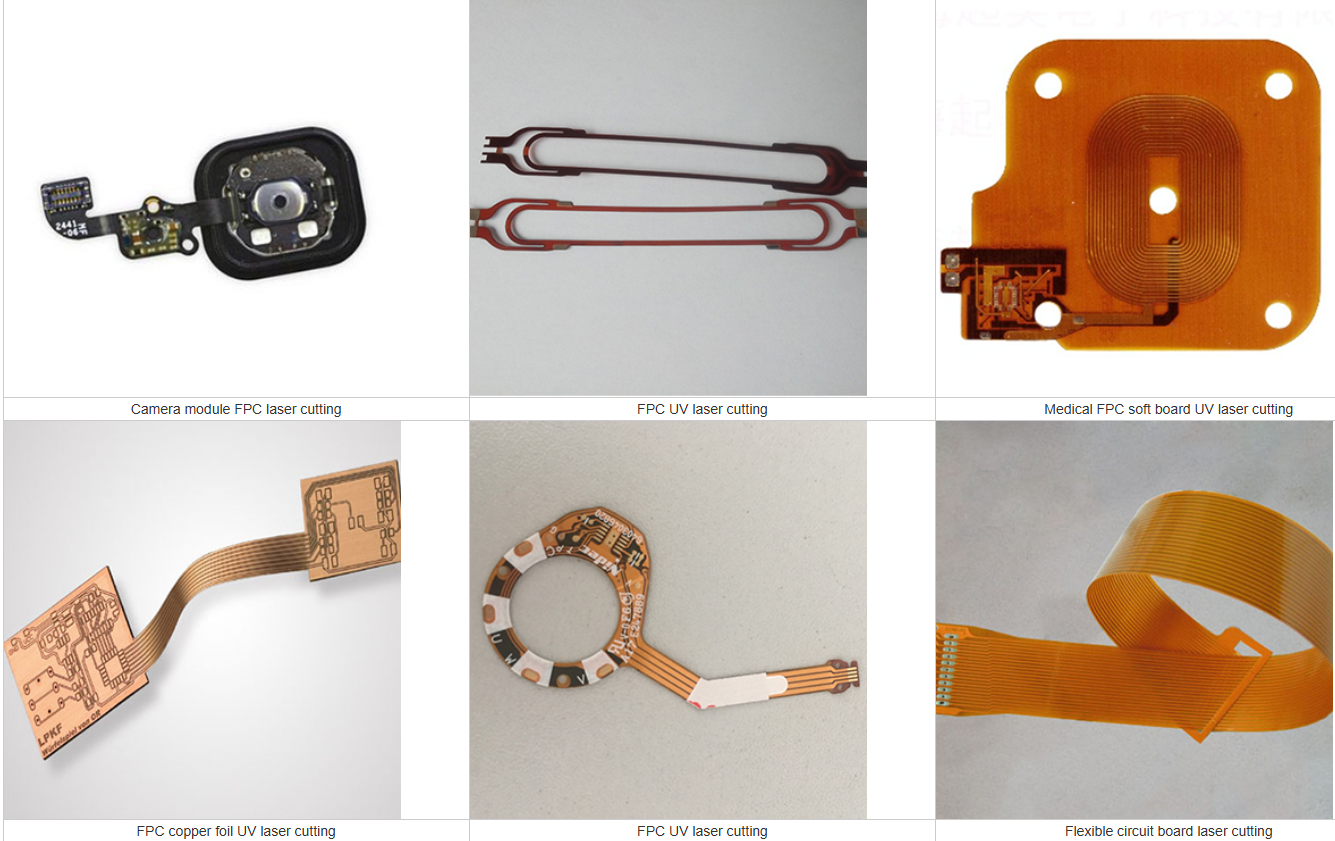
Ultimately, the question of cost-effectiveness depends entirely on your target market. If you are processing standard single or double-sided FPCs where minor discoloration is acceptable, a FPC UV laser cutting machine utilizing a nanosecond laser offers the best FPC UV laser cutting machine price-to-performance ratio. However, if your clients demand zero burrs and a microscopic HAZ, investing in picosecond laser FPC cutting is the only way to future-proof your production line.
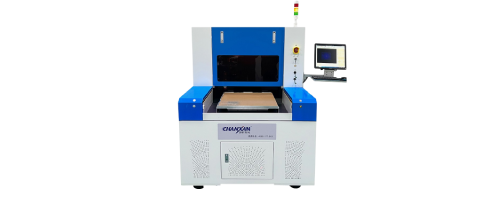
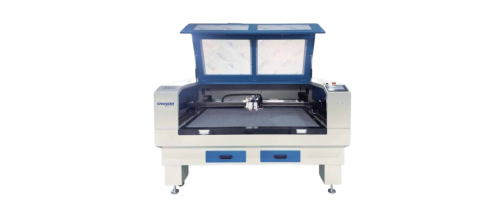
To help manufacturers navigate this exact dilemma without compromising on profitability, Chanxan Laser has developed a dual-tier lineup of precision industrial cutting systems engineered to maximize efficiency while driving down total cost of ownership.
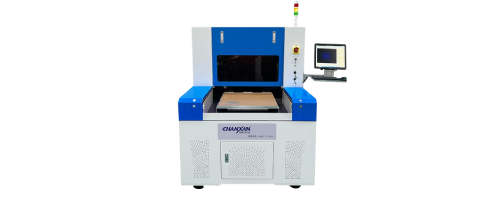
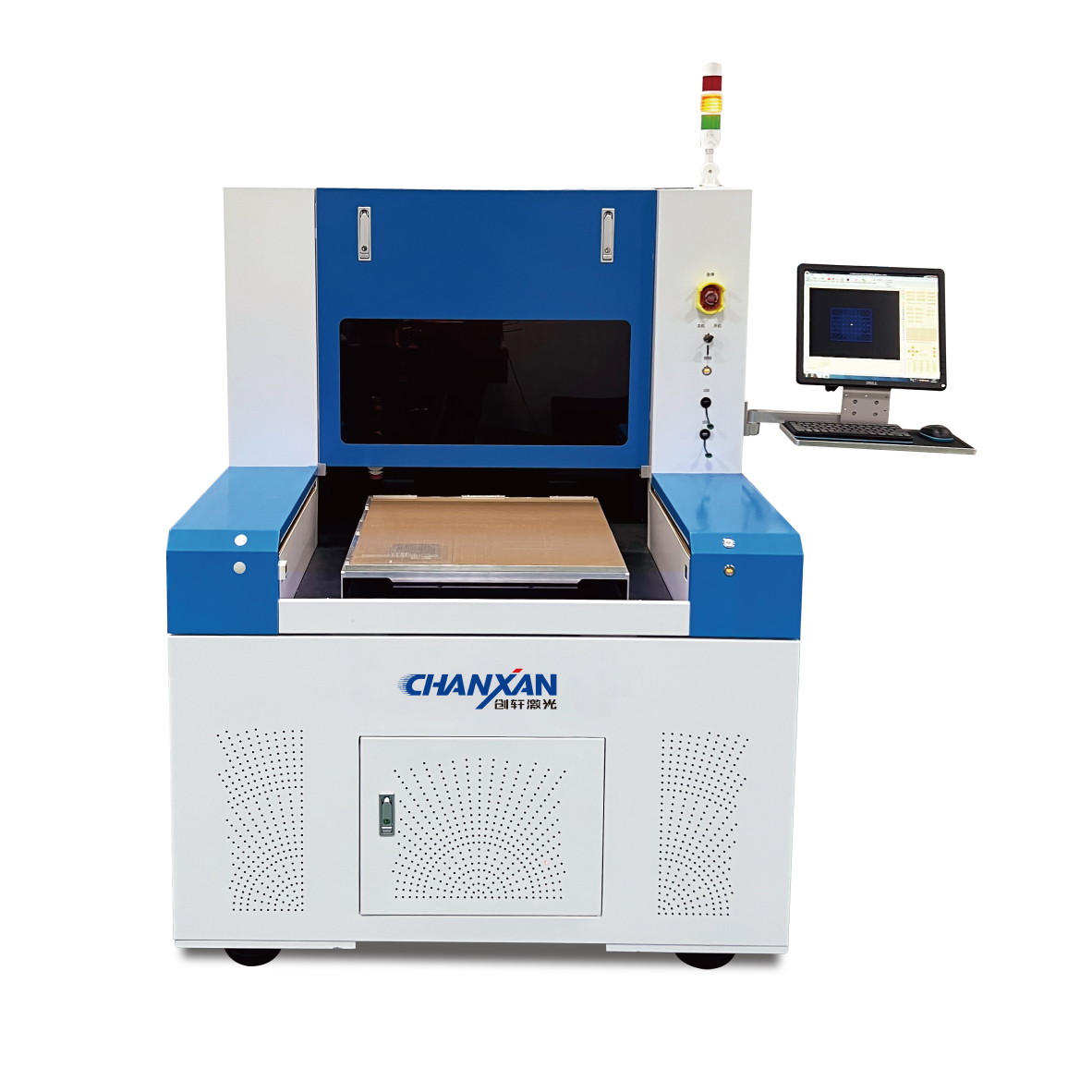
Ultra-Precision & High MarginThe Chanxan Ultra-Fast Laser Picosecond SeriesDesigned for the high-margin tier, this system achieves a microscopic heat-affected zone (HAZ < 10 um) and near-zero carbonization. It allows you to confidently bid on ultra-dense, multi-layer HDI FPC contracts for medical, automotive, and semiconductor applications—virtually eliminating scrap rates and post-process cleaning costs. | High Efficiency & Rapid PaybackThe Chanxan High-Precision Nanosecond UV SeriesEngineered for maximum capital efficiency, this series offers an unbeatable upfront price-to-performance ratio. Optimized for high-volume production of standard single/double-sided FPCs, it delivers rapid linear cutting speeds with low operational and maintenance expenses. |
By aligning your factory floor with Chanxan Laser's specialized laser processing technologies, help choose an optimal balance of minimized input cost and maximized manufacturing yield.
| Free solution
Previous: Can Femtosecond Lasers Achieve 100% Carbonization-Free FPC Cutting?
Next: UV Laser vs CO2 Laser for Film Laser Cutting: Precision, HAZ, and Process Comparison