
Key Words: Silicon Wafer Dicing PCB Depaneling Glass Cutting
Home > News > Industry News
【Description】:
Discover what causes burrs in flexible PCB laser cutting and how to prevent defects. Explore Chanxan's high-precision picosecond & nanosecond laser solutions.
TL;DR Too Long; Didn't Read
In modern electronics manufacturing, Flexible PCB laser cutting faces challenges from burr formation, which impacts edge isolation. By balancing core optical parameters or migrating toward advanced picosecond ultrafast cold sublimation, production lines can completely bypass carbonization and thermal melt recast. Chanxan Laser platforms deliver clean, burr-free kerfs, maximizing structural yield and component field reliability.
In modern electronics manufacturing, Flexible PCB laser cutting is widely used for smartphones, wearable devices, automotive electronics, medical sensors, and communication modules. It offers high precision and non-contact processing. However, many manufacturers still face one common problem: laser cutting burrs.
Burrs can reduce PCB edge quality, affect assembly, and lower production yield. Understanding why burrs form is the first step toward achieving burr-free laser cutting.
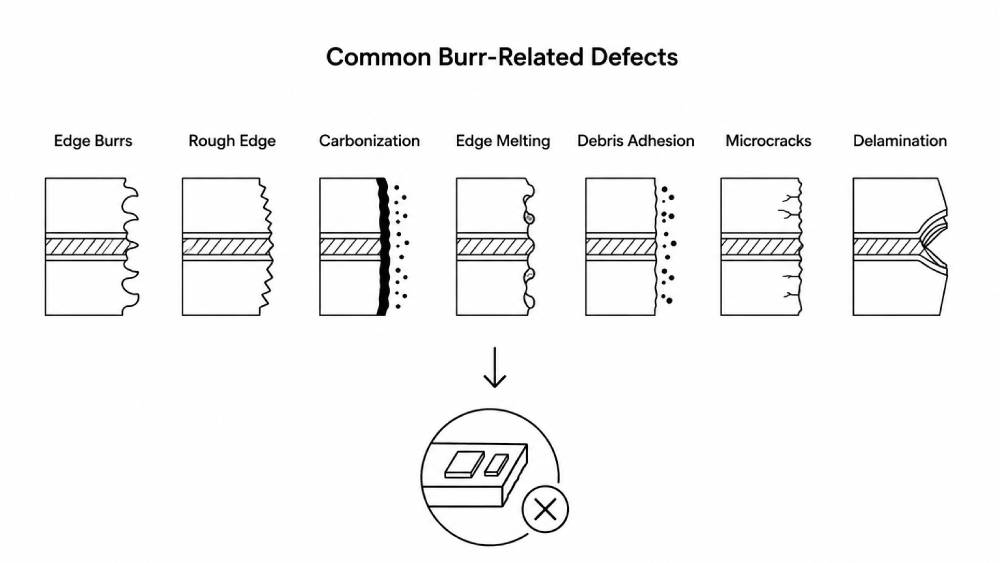
In flexible PCB laser cutting, a burr is a small raised edge or residue left along the cut path. It is usually caused by molten material, incomplete ablation, or improper laser parameters.
Common burr-related defects include edge burrs, edge roughness, carbonization, edge melting, debris adhesion, microcracks, and delamination. These defects reduce PCB edge quality and can create problems during assembly.
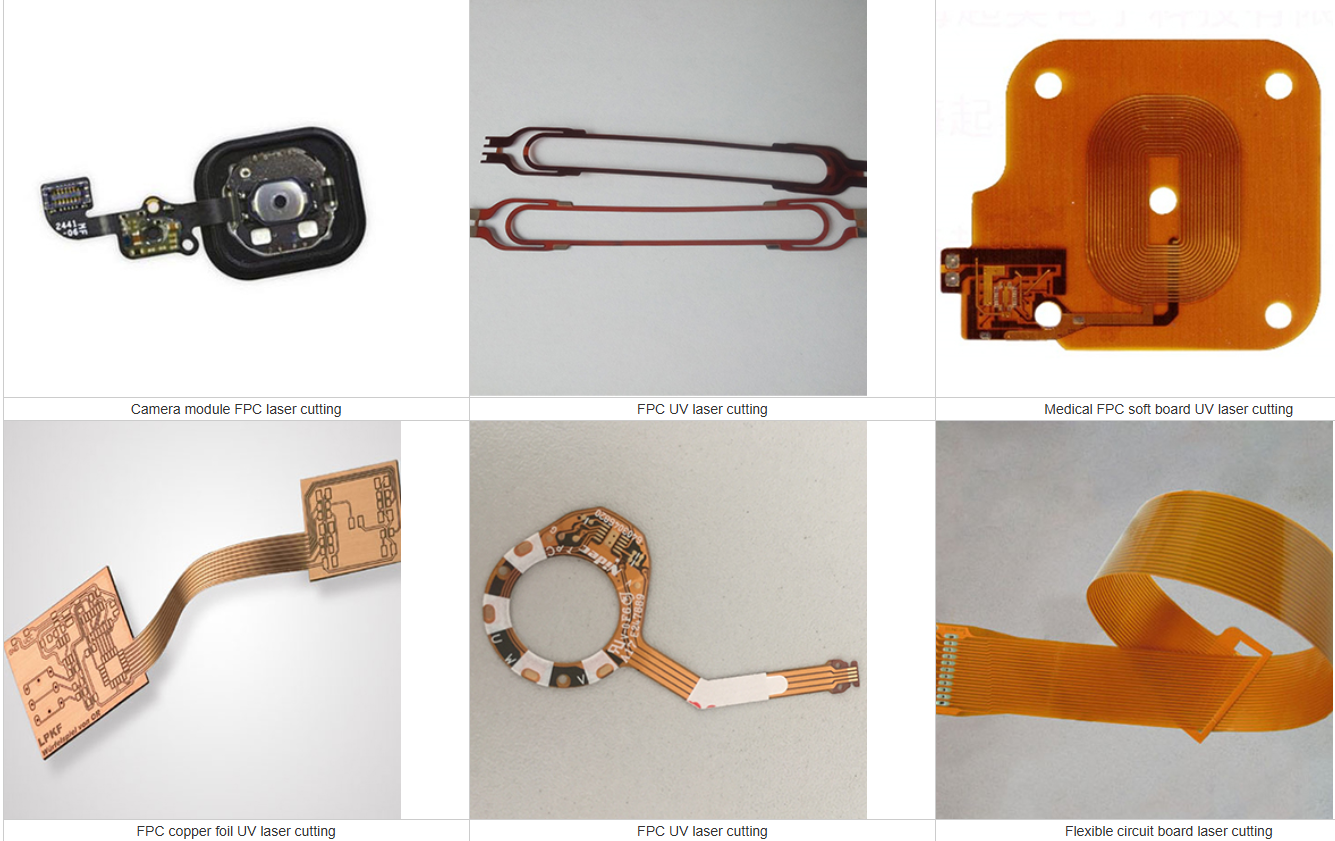
Most FPC laser cutting applications involve thin polymer-based materials.
| Material | Typical Use |
|---|---|
| PI (Polyimide) film | Most common FPC substrate |
| PET film | Low-cost flexible circuits |
| PEN (polyethylene-naphthalate) film | Higher-temperature flexible electronics |
| Copper foil | Conductive circuit layer |
| Coverlay film | Circuit protection layer |
| Adhesive layers | Lamination and bonding |
Among these materials, laser cutting of Polyimide(PI) film is the most common industrial application.
Too much power melts the polymer instead of cleanly ablating it. Molten material is pushed to the edge and forms a burr.
When the beam stays too long in one area, heat accumulates. This increases thermal damage and edge roughness.
An oversized focal spot lowers energy density. The material melts unevenly, creating rough edges.
Longer pulses transfer more heat into the material. This enlarges the heat affected zone (HAZ).
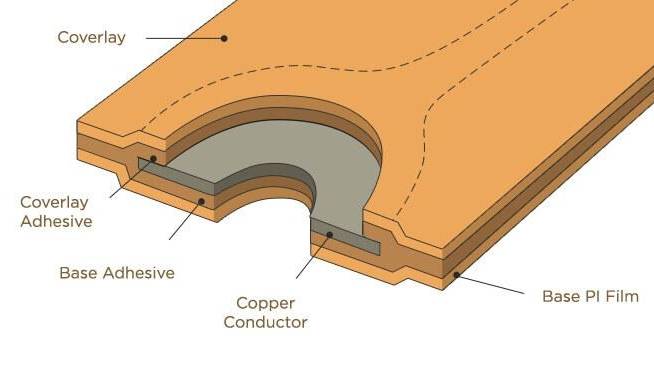
FPCs often contain copper foil, PI film, coverlay, and adhesive layers. Each layer has a different ablation threshold. Poor parameter matching can leave copper burrs or polymer residue.
Recommended actions:
✔ Reduce pulse energy.
✔ Increase cutting speed.
✔ Optimize focus height.
✔ Use a smaller beam diameter.
✔ Control overlap between pulses.
Picosecond laser and other ultrafast systems perform cold laser processing.
Compared with conventional nanosecond processing, they offer:
Smaller HAZ
Less carbonization
Lower edge melting
Cleaner kerf
Better burr-free laser cutting performance
| Feature | Nanosecond Laser | Picosecond Laser |
|---|---|---|
| Processing speed | High | Medium–High |
| Equipment cost | Lower | Higher |
| Heat affected zone | Larger | Smaller |
| Burr tendency | Medium | Low |
| Edge quality | Good | Excellent |
| Best use | General FPC production | High-end precision FPC |
Vaporized polymer can redeposit on the edge.
Efficient extraction helps remove Smoke, Molten particles, and Condensed debris.
Recommended process controls:
✔ Use optimized pulse energy.
✔ Maintain correct focus.
✔ Increase scan speed where possible.
✔ Use stable beam quality.
✔ Improve fume extraction.
✔ Choose picosecond laser for the most demanding edge-quality requirements.
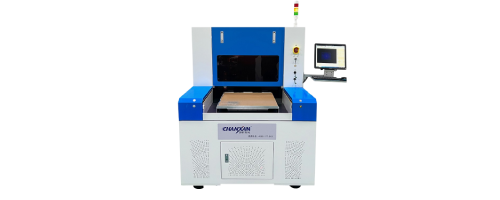
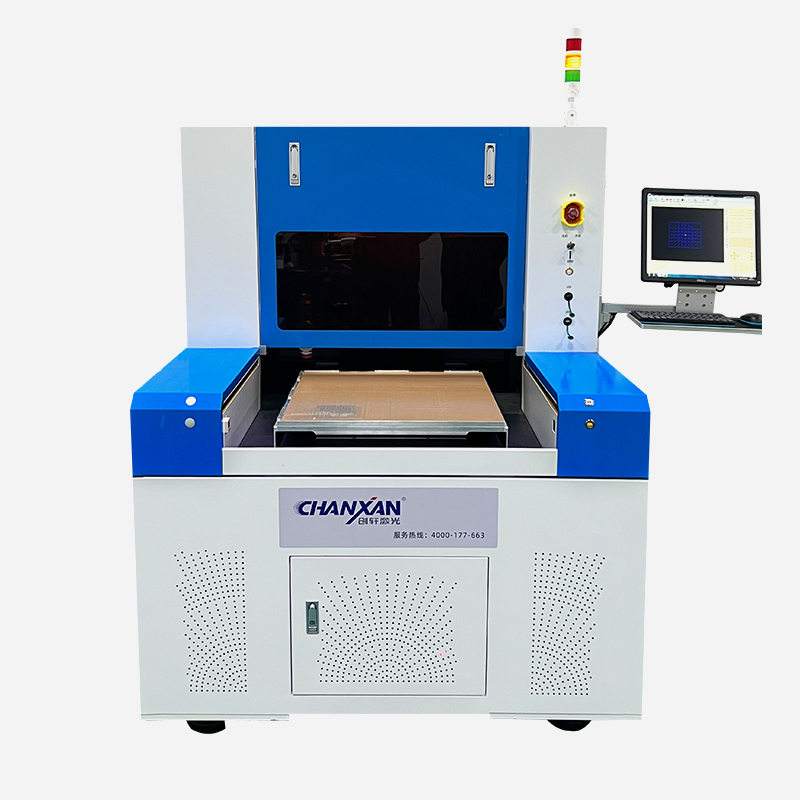
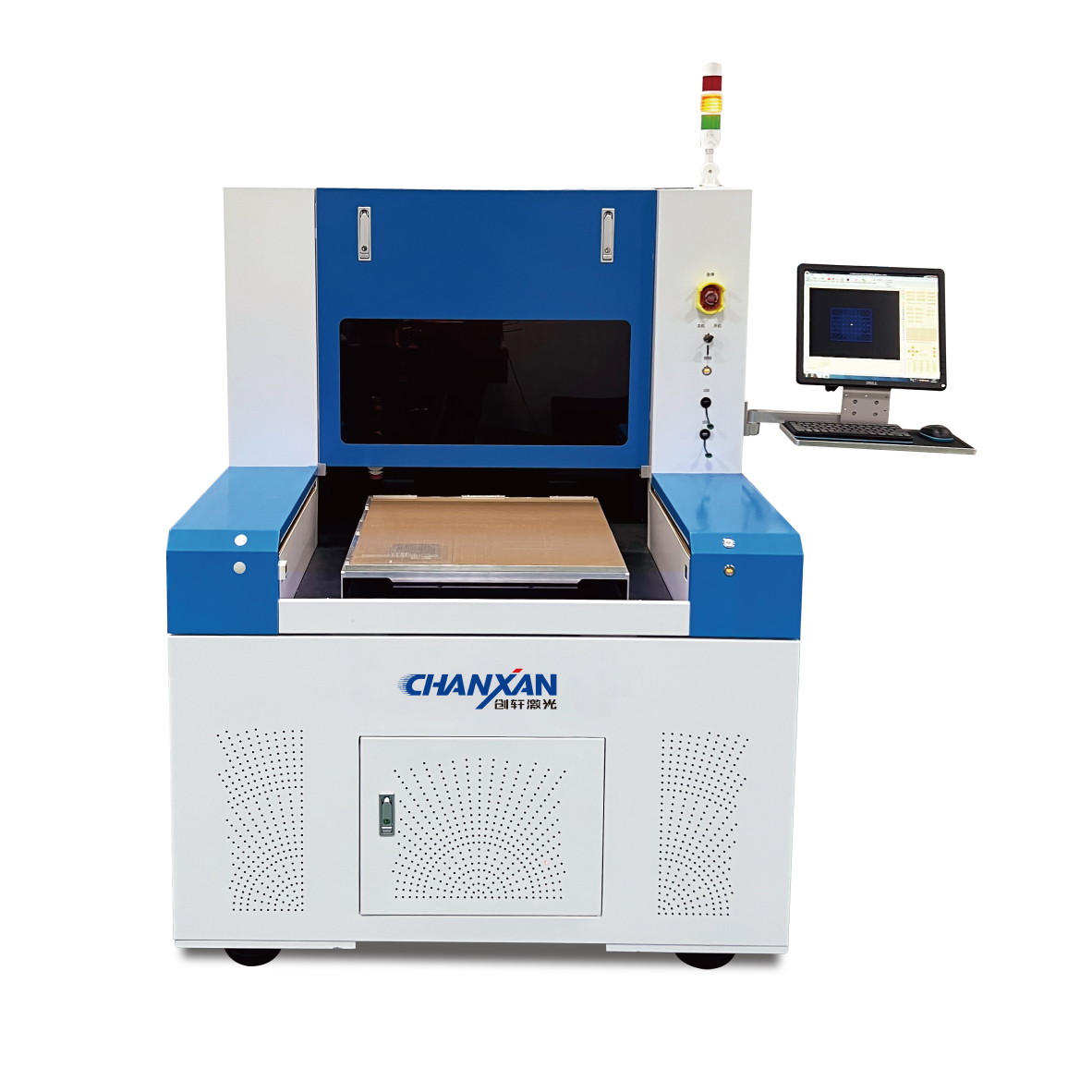
For manufacturers seeking high-quality FPC laser cutting, Chanxan provides both nanosecond and picosecond laser systems.
Chanxan FPC laser cutting machines are designed for:
PI film laser cutting
FPC laser cutting
Coverlay window cutting
Flexible circuit profiling
Micro-slotting and drilling
Burr-free precision cutting
With micron-level positioning accuracy, optimized pulse control, and high-speed motion systems, Chanxan helps manufacturers achieve clean edges, low HAZ, and stable production yield for flexible PCB and printed electronics applications.
Burr formation in flexible PCB laser cutting is usually a process-control issue, not an unavoidable defect.
By optimizing laser power, pulse width, focus, scan speed, and beam quality, manufacturers can significantly improve PCB edge quality and move closer to burr-free FPC laser cutting.
For the highest edge-quality requirements, picosecond laser processing remains one of the most effective solutions available today.
| Free solution