
Key Words: Silicon Wafer Dicing PCB Depaneling Glass Cutting
Home > News > Industry News
【Description】:
Learn how to control carbonization, edge burning, and discoloration in polymer laser cutting. Explore Chanxan's high-precision ultrafast laser solutions.
TL;DR Too Long; Didn't Read
Carbonization in polymer laser processing refers to unwanted burning, blackening, or discoloration of material edges during laser cutting. It commonly appears as burn marks, black edges, yellowing, and surface residue, especially in materials like PI, PET, PEN, PC, PMMA, and coverlay films. The root cause is excessive heat accumulation and incomplete material removal during laser interaction. Proper control of laser energy, scanning strategy, and pulse characteristics can significantly reduce laser carbonization and improve edge quality in industrial production.
Carbonization is a thermal degradation phenomenon that occurs when polymers are exposed to excessive laser energy. In polymer laser cutting, instead of clean vaporization, part of the material is thermally decomposed and turned into carbon residue.
This leads to laser carbonization, edge burning, surface discoloration, black or brown edge formation, and smoke residue adhesion. Unlike mechanical defects, carbonization directly affects both the appearance and functional reliability of the part.
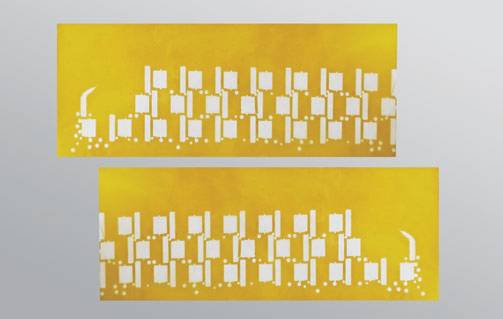
Carbonization in polymer laser processing is primarily caused by an imbalance between laser energy input, material response, and heat dissipation. When too much energy is delivered, or when it is delivered too slowly, the polymer does not fully vaporize. Instead, it undergoes thermal degradation, leading to laser carbonization, black edge formation, and surface discoloration.
One of the main mechanisms is excessive heat accumulation. When laser energy density is too high or scanning speed is too low, heat builds up in the processing zone. This leads to polymer breakdown and localized combustion-like reactions, resulting in permanent blackened edges and laser overheating effects.
Another common cause is incomplete material ablation. If the material is not fully vaporized during cutting, molten residue remains along the edge. This residue quickly oxidizes or degrades under residual heat, forming carbonized debris and leaving a rough, darkened surface. This effect is especially noticeable in thicker or multi-layer polymer structures used in industrial polymer laser cutting applications.
The problem is further influenced by pulse duration and laser type. Nanosecond-scale lasers introduce longer thermal interaction times, which increases heat diffusion into surrounding material. This enhances thermal decomposition risk and makes edge discoloration more likely. As a result, pulse width becomes a critical parameter in controlling overall laser processing defects.
Material behavior also plays an important role. Different polymers respond differently to laser energy. For example, PI (polyimide) is relatively stable but can darken under excessive heat, while PET (polyester/Mylar) tends to show edge melting and yellowing. PEN offers moderate resistance but still degrades under overload conditions, whereas PC, PMMA, and adhesive-based coverlay materials are generally more sensitive and can carbonize quickly. This variation means that material selection directly affects carbonization severity.
Finally, insufficient gas flow or fume extraction can worsen the issue. When vaporized particles are not removed efficiently, they can redeposit on the cutting edge, increasing smoke contamination and reinforcing visible burn marks and laser discoloration effects.
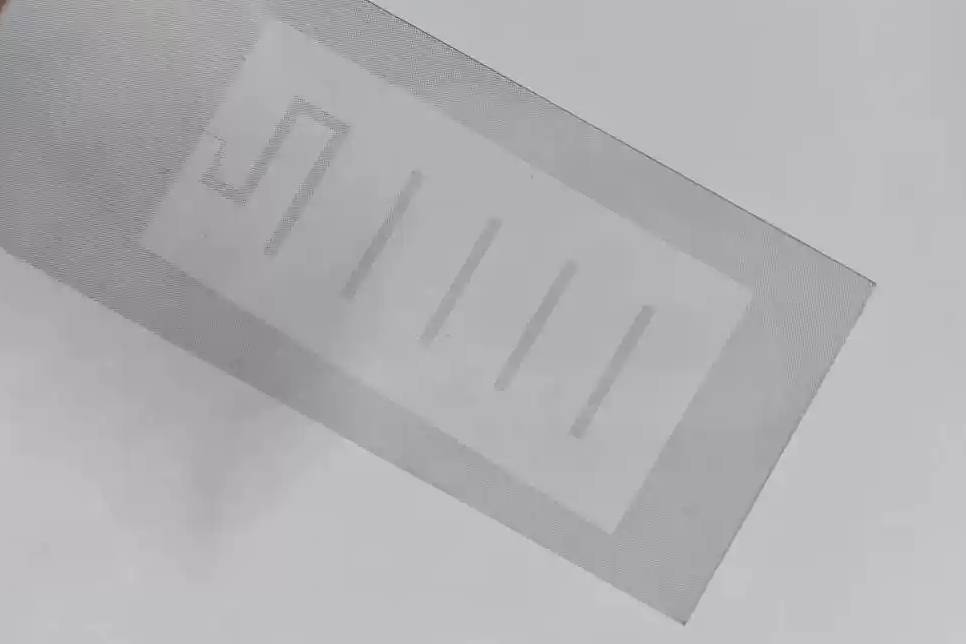
Carbonization in laser processing can be effectively controlled by optimizing energy delivery, improving scanning strategy, and matching the correct laser system to the material characteristics.
Reducing laser energy density is one of the most direct ways to minimize thermal decomposition during processing. When the energy input is properly controlled, the material experiences less excessive heating, which results in cleaner edges, fewer burn marks, and significantly reduced residual carbon formation along the cutting path.
Increasing the scanning speed helps reduce the amount of time the laser interacts with a single area of the material. This limits heat accumulation and prevents localized overheating. As a result, the process becomes more thermally stable, edge quality improves, and overall cutting consistency is significantly enhanced.
Using shorter pulse durations reduces thermal diffusion into the surrounding material. This allows energy to be deposited and removed more precisely within a confined time window, minimizing heat-affected decomposition, reducing carbon residue formation, and improving overall surface quality with less discoloration.
An efficient gas extraction system is essential for removing vaporized material immediately during processing. Strong and stable airflow prevents redeposition of carbon particles onto the material surface, reduces smoke contamination along the cutting edges, and helps maintain cleaner and more visually stable results.
Selecting the appropriate laser source plays a critical role in controlling carbonization. CO₂ lasers are widely used for bulk polymer cutting due to their efficiency but require careful energy tuning to avoid overheating. Ultrafast lasers such as picosecond or femtosecond systems offer significantly lower thermal impact and are preferred for high-precision applications. In contrast, nanosecond lasers are more cost-effective but generally present a higher risk of carbonization due to longer thermal interaction time.
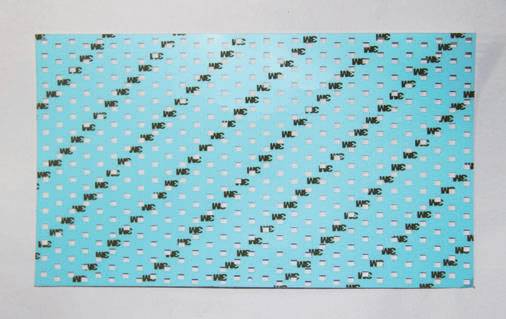
Polyimide (PI)
PET / Mylar
PEN
Polycarbonate (PC)
PMMA
Flexible coverlay films
Adhesive-based laminates
These materials are widely used in:
Printed electronics
RFID and antenna structures
Medical and sensor films
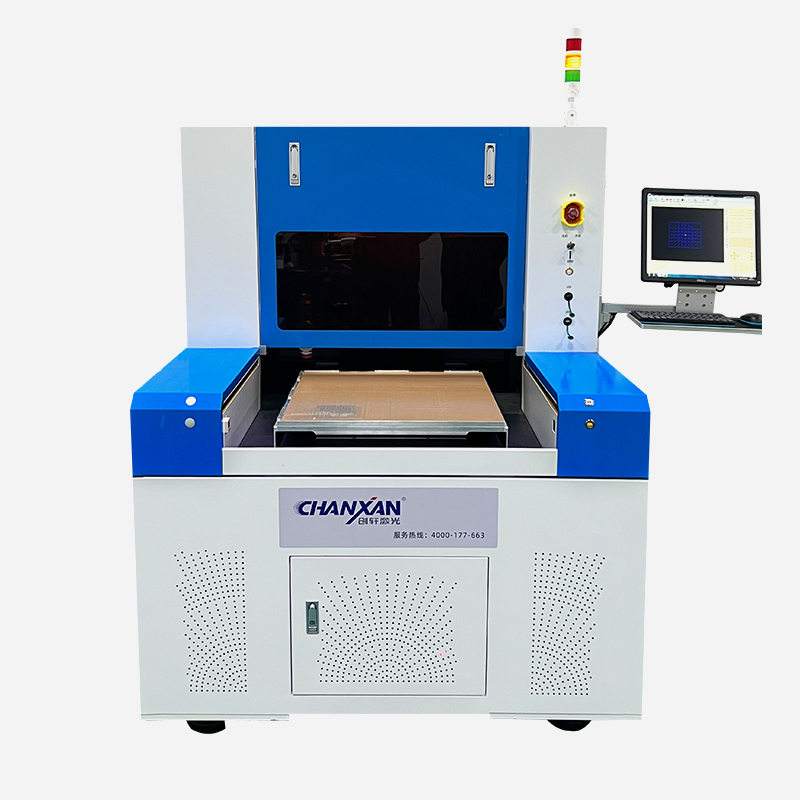
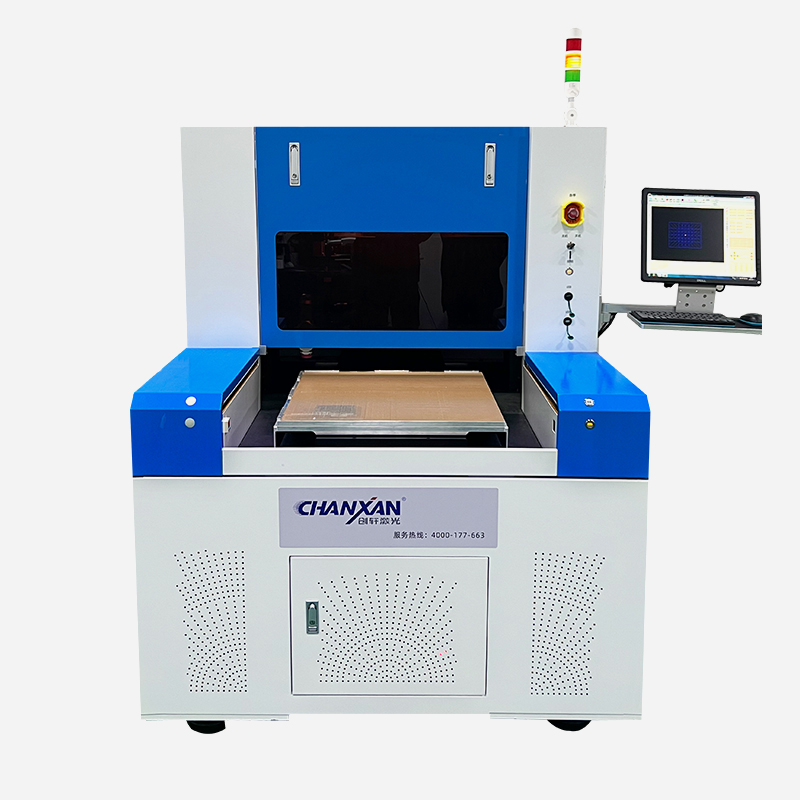
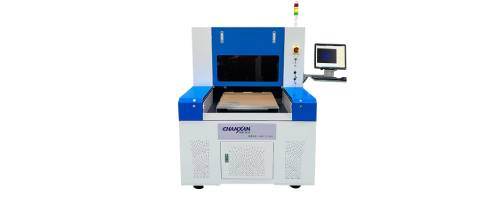
Chanxan Picosecond laser cutting systems are designed to reduce carbonization in polymer laser processing through precise energy control and stable beam delivery.
Our laser systems support:
PI, PET, PEN film cutting
Flexible PCB processing
Coverlay and adhesive layer cutting
High-precision polymer micromachining
With optimized pulse control and high-speed scanning systems, Chanxan solutions help manufacturers achieve:
✔ Minimal laser carbonization
✔ Clean edge quality
✔ Stable mass production output
✔ Improved yield in flexible electronics
Related reading:
Heat-Affected Zone (HAZ) Control in Flexible PCB Laser Cutting
Thermal Deformation in PET Film Laser Cutting: How to Control It
Delamination in Polyimide Laser Cutting: Root Causes and Prevention
Burr Formation in Flexible PCB Laser Cutting: Causes and Solutions
| Free solution
Previous: Heat-Affected Zone (HAZ) Control in Flexible PCB Laser Cutting
Next: Thermal Deformation in PET Film Laser Cutting: How to Control It