
Key Words: Silicon Wafer Dicing PCB Depaneling Glass Cutting
Home > News > Industry News
【Description】:
Learn how advanced UV picosecond PI film laser cutting machines eliminate mechanical stress, burrs, and HAZ in flexible printed circuit (FPC) manufacturing and Kapton laser processing.
Flexible Printed Circuits (FPC) demand extreme precision, tight tolerances, and pristine edge quality. As electronic devices continue to shrink while performance requirements rise, traditional mechanical processing methods fail to meet strict yield and quality standards. Advanced PI film laser cutting machine technology has become the definitive industry standard for processing polyimide materials without structural damage or thermal stress.
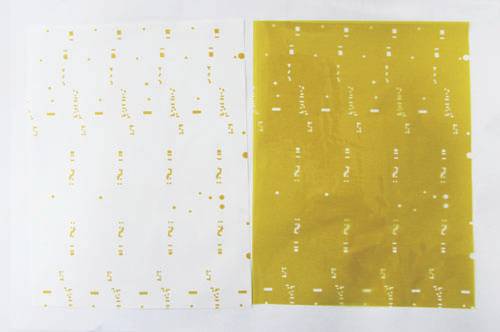
Polyimide (PI) film—frequently known by the industry brand name Kapton—is a high-performance thermosetting polymer celebrated for its exceptional thermal stability, chemical resistance, excellent dielectric properties, and mechanical strength. Operating continuously at extreme temperatures ranging from -269°C to over 400°C, it remains stable where most polymers degrade.
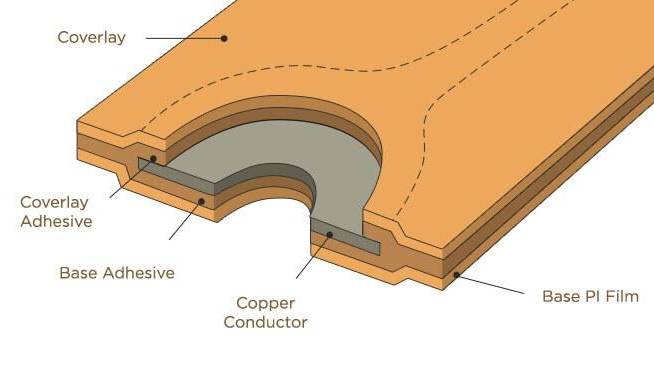
In FPC manufacturing, PI film serves as the foundational core substrate, providing both flexible mechanical support and critical electrical insulation for copper traces. It is also used as coverlay films to shield delicate circuit traces from oxidation, moisture, and mechanical wear.
Processing ultra-thin, flexible materials like Kapton presents distinct engineering obstacles during volume production:
Traditional Die Cutting Limitations: Conventional mechanical die cutting relies on physical force, which creates severe mechanical stress. This results in noticeable edge burrs, material distortion, micro-cracks, and delamination between the copper and polyimide layers. Furthermore, mechanical dies wear down quickly, driving up tooling costs and forcing frequent production line stops for blade maintenance.
The Non-Contact Laser Advantage: Non-contact Kapton laser cutting eliminates physical force entirely. By directing concentrated photon energy along precise digital vector paths, laser processing cuts ultra-thin PI film without tool wear, mechanical distortion, or edge burrs, achieving consistent yields across long production runs.
While CO2 or nanosecond UV lasers can cut PI film, high-precision FPC applications increasingly mandate ultra-short pulse picosecond UV laser systems.
Because the pulse duration of a picosecond UV laser is shorter than the thermal relaxation time of polyimide, energy is absorbed before heat can diffuse into surrounding material. This photo-ablation mechanism breaks molecular bonds directly:
Ultra-Low Heat-Affected Zone (HAZ): Prevents heat transfer into nearby copper traces, avoiding board warping or dielectric degradation.
Carbon-Free Clean Edges: Keeps edges clean without heavy soot or thermal melting, eliminating post-process cleaning steps.
Fine-Detail Capability: Enables microscopic cutouts, tight radii, and micro-vias down to single-digit micron tolerances.
Modern industrial laser systems handle multiple critical processes on a single platform:
High-Speed Cutting: Profiles complete FPC outlines, coverlays, and stiffener materials with smooth edges and zero distortion.
Micro-Drilling: Creates precise blind vias, through-vias, and registration holes across single- and multi-layer flex substrates.
Selective Patterning & Ablation: Strips specific PI coverlay areas or surface coatings without damaging underlying copper conductive layers.
Precision laser processing plays a pivotal role across every stage of flexible circuit fabrication:
Coverlay Window Opening & Profile Cutting: Creates clean, highly intricate cutouts in coverlays, allowing precise exposure of SMT pads without leaving adhesive residue or scorching edges.
Circuit Layer Processing: Trims, cuts, and drills single-sided, double-sided, and multi-layer flex circuits used in smartphones, medical electronics, automotive sensors, and aerospace displays.
FPC Stiffener & Composite Cutting: Precisely cuts composite layers combining PI film with stainless steel, FR4, or aluminium backing materials.
| Parameter | Recommended Specification | Impact on Production |
|---|---|---|
| Wavelength | UV (355 nm) | Maximizes photon absorption in PI for clean, cold ablation. |
| Pulse Width | Picosecond (< 15 ps) | Minimizes thermal dispersion and thermal stress. |
| Precision | HAZ <= 3um | Ensures exact registration with printed copper circuit patterns. |
| Galvo Speed | High-Speed Digital Galvanometers | Delivers high linear cutting speeds for volume production throughput. |
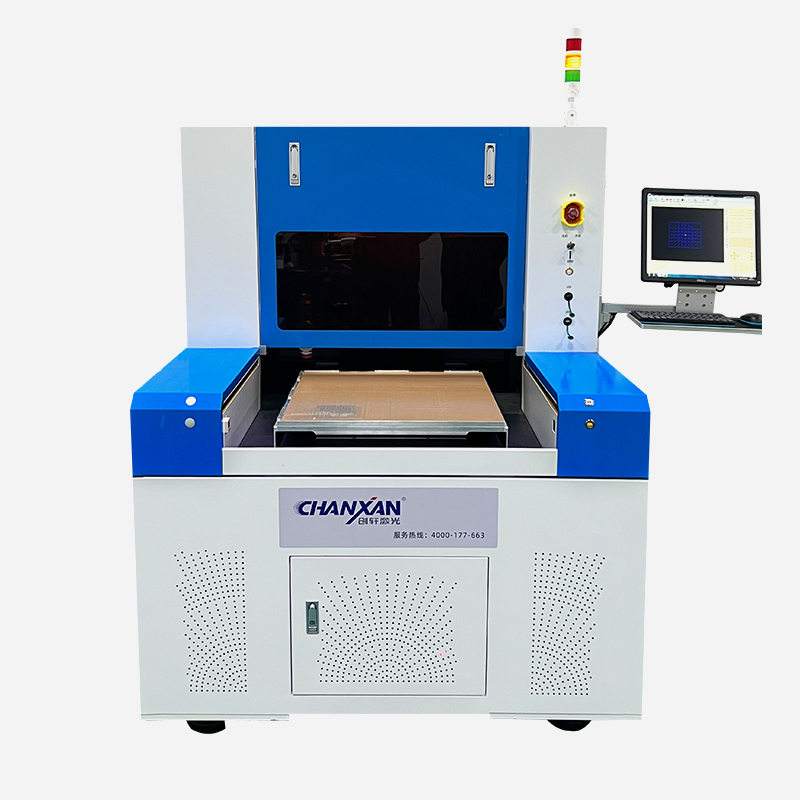
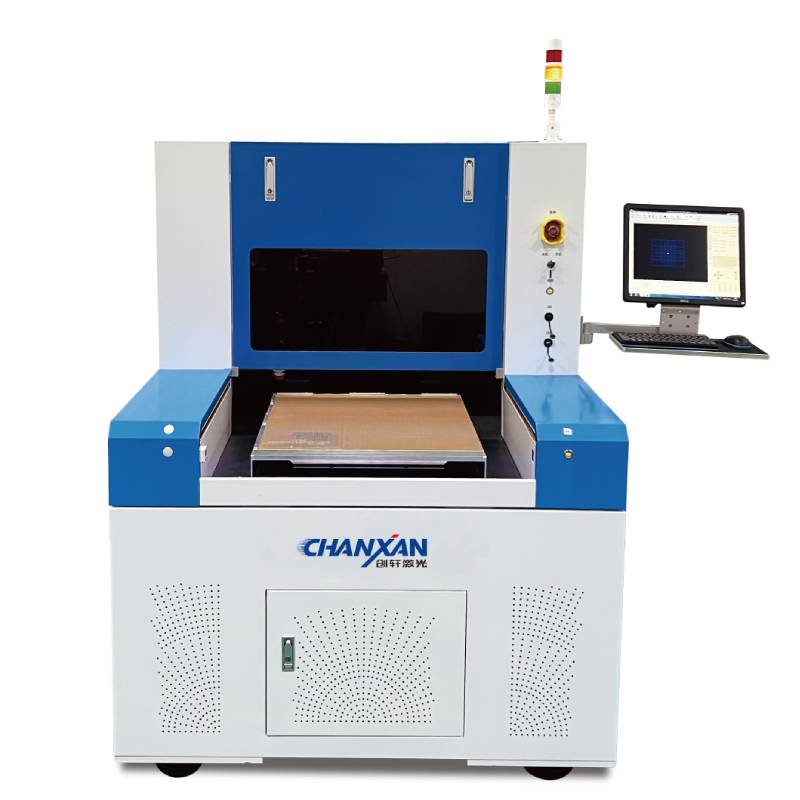
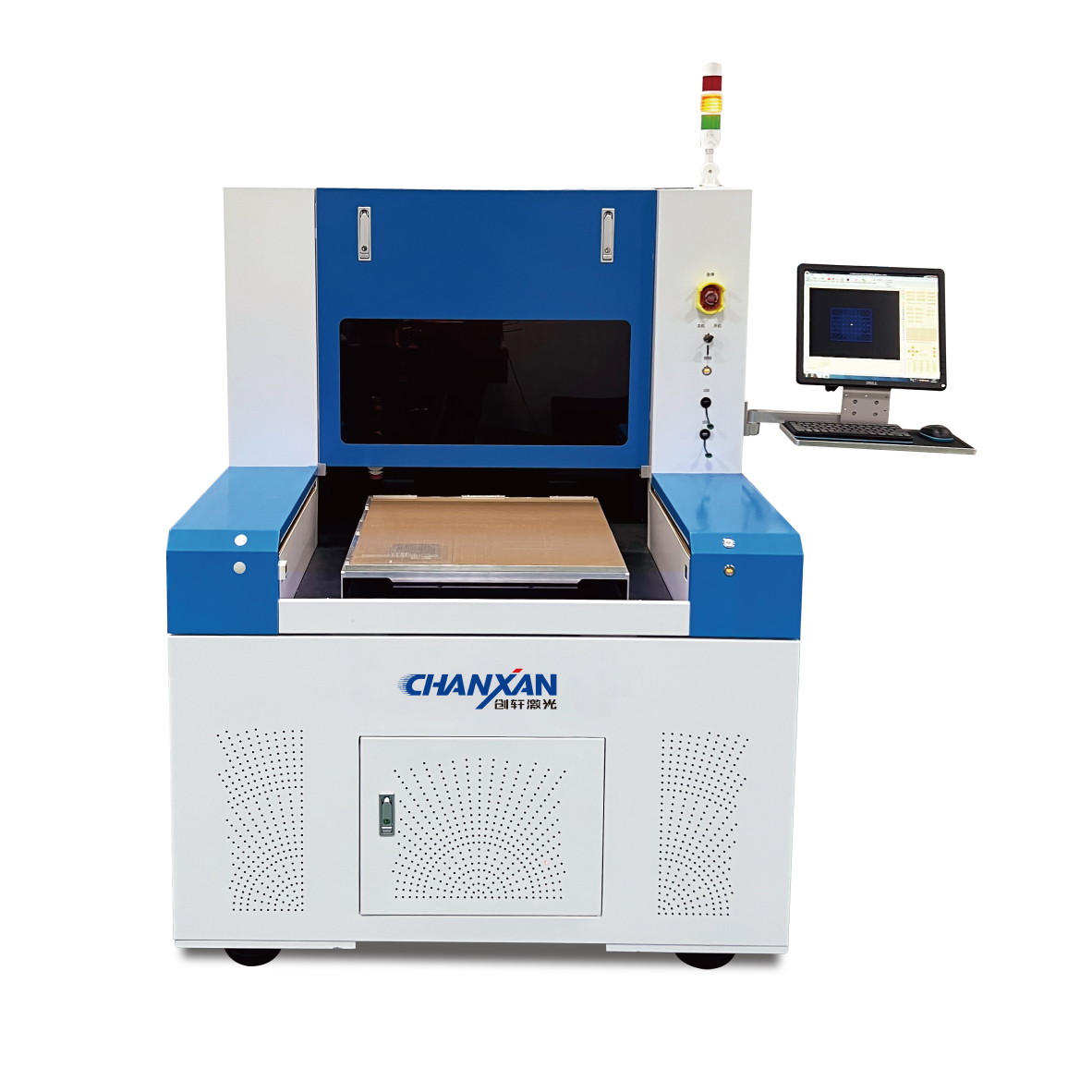
Chanxan Laser delivers industry-tested laser systems designed specifically for high-precision FPC and flexible substrate manufacturing. Engineered with high-stability picosecond UV sources, high-precision linear motor drives, and advanced Vision Positioning Systems (CCD), Chanxan Kapton laser cutting equipment ensures accurate alignment on flexible materials even when batch dimensional variations occur.
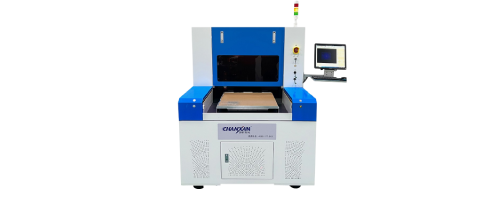
Whether you need to eliminate edge burrs, reduce thermal stress, or boost your overall yield on complex micro-flex circuits, Chanxan provides complete laser processing solutions tailored to your production workflow.
| Free solution
Previous: Thin Film Laser Cutting vs Die Cutting: Which Is Right for Your Manufacturing Process?
Next: Roll-to-Sheet Picosecond Laser Processing for Thin Film Manufacturing