



Picosecond Laser Cutting for Flexible PCBs: Minimizing HAZ and Carbonization
Flexible printed circuits (FPCs) have become the backbone of modern electronics. As these circuits get thinner, denser, and more mechanically demanding, the way they're cut and singulated matters more than ever. Traditional mechanical punching and even conventional nanosecond laser cutting often leave behind scorched edges, delamination, and microcracks that compromise long-term reliability. Thus, picosecond laser cutting has emerged as the gold standard for FPC laser cutting, offering a level of precision and thermal control that older methods simply can't match.
Why FPCs Are So Sensitive to Cutting Damage
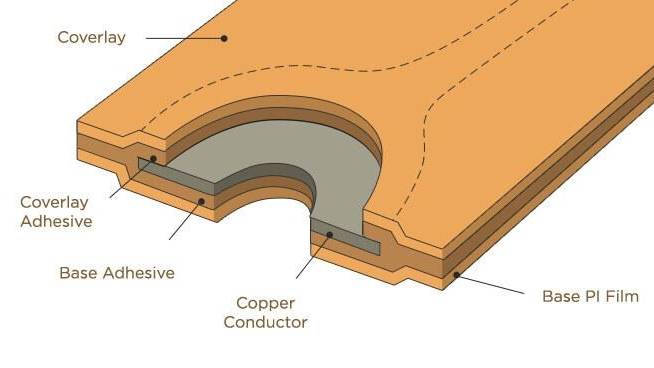
Flexible PCBs are built from a stack of dissimilar materials — typically polyimide (PI) substrates, rolled or electrodeposited copper traces, and coverlay adhesives. Each of these materials responds differently to heat. Copper conducts heat away rapidly, while polyimide tends to trap it, softening or even carbonizing under sustained thermal load. When a cutting process introduces excess heat, you get:
Heat-affected zones (HAZ) — regions where the polymer matrix degrades structurally, becoming brittle or losing dielectric strength.
Carbonization — blackened, charred edges caused by pyrolysis of the polyimide, which can create conductive residue and contaminate adjacent circuitry.
Delamination — separation between copper and substrate layers due to differential thermal expansion.
Microcracking — invisible to the eye but a major cause of field failures in flex-to-rigid transition zones.
For applications like foldable displays or implantable medical devices, even a few microns of thermal damage at the cut edge can become a stress concentration point that leads to fatigue failure after repeated bending cycles.
Why Picosecond Pulses Change the Equation
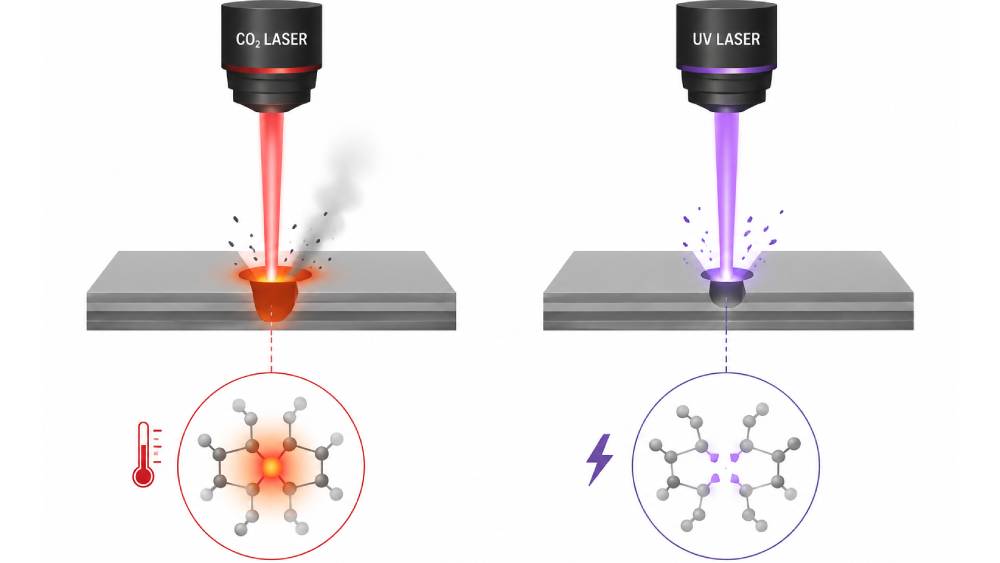
The core advantage of picosecond lasers lies in pulse duration. A pulse lasting only trillionths of a second delivers energy to the material faster than heat can diffuse into surrounding regions. This is the essence of laser ablation of flexible materials: the material is vaporized directly through a "cold ablation" mechanism rather than being melted and burned through conventional thermal conduction.
Key mechanisms at play:
Ultrashort Pulse Width: Typically 1–15 ps, limiting the time available for heat to conduct beyond the ablation spot, effectively shrinking the HAZ to single-digit micron levels or less.
High Peak Power Density: Allows the laser to reach the ablation threshold almost instantaneously, so most pulse energy breaks molecular bonds rather than heating bulk material.
Cold Processing Characteristics: Reduces or eliminates plasma plume re-deposition and thermal recast layers commonly seen with nanosecond or CO2 lasers.
Balancing Precision and Throughput: While femtosecond (fs) lasers offer even shorter pulse widths and theoretically superior "cold processing" effects, their material removal rate and overall processing efficiency are significantly lower in high-volume production environments. Consequently, picosecond laser technology has emerged as the definitive industry sweet spot, delivering the optimal balance of impeccable edge quality and high manufacturing throughput.
Practical Parameters for Minimizing HAZ and Carbonization
If you're setting up or optimizing a picosecond laser process for FPC cutting, these are the levers that matter most in practice:
Wavelength Selection: UV picosecond lasers (355 nm or 343 nm) are generally preferred over IR (1064 nm) for polyimide and copper composites. Shorter wavelengths are absorbed more efficiently at the surface, reducing thermal penetration depth.
Pulse Energy and Fluence Control: Operate just above the ablation threshold. Excess fluence doesn't cut faster — it just dumps more residual heat and increases recast layer risks.
Repetition Rate and Scan Speed Matching: High repetition rates paired with fast galvo scanning reduce dwell time per unit area, preventing cumulative thermal buildup between pulses.
Multi-Pass, Low-Fluence Strategy: Rather than a single high-energy pass, achieving edge quality with several lower-energy passes keeps the instantaneous thermal load consistently low.
Assist Gas and Debris Management: An inert gas shield (typically nitrogen) suppresses oxidation of exposed copper and polyimide char formation, reducing visible carbonization at the kerf.
Focus Position and Depth of Field: Because FPCs are often under 100 microns thick, maintaining tight focus control is essential — defocus increases spot size, lowers fluence density, and reintroductions thermal effects.
Quality Verification
After processing, edge quality should be verified under high-magnification microscopy (100x–500x) to check for:
Discoloration extending beyond the kerf (visual proxy for HAZ).
Copper burrs or melt beads at trace edges.
Cross-sectional inspection for subsurface microcracking.
Peel testing on coverlay-adhered regions to confirm no delamination occurred.
Conclusion
Picosecond laser cutting has fundamentally changed what is achievable in FPC manufacturing, giving brands a way to combine high-density circuit designs with the strict mechanical durability that flexible applications demand. Because laser ablation relies on ultrafast, low-heat physics, engineers who tune wavelength, fluence, and scan parameters carefully can virtually eliminate HAZ and carbonization—producing cut edges clean enough for next-generation flexible electronics.
Elevate Your FPC Processing with Chanxan Laser
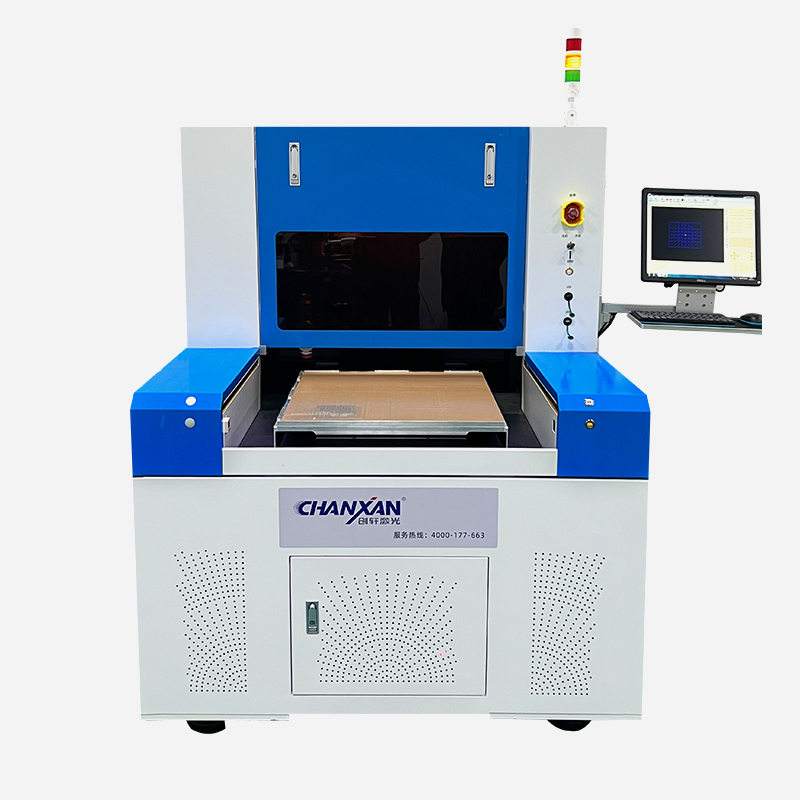
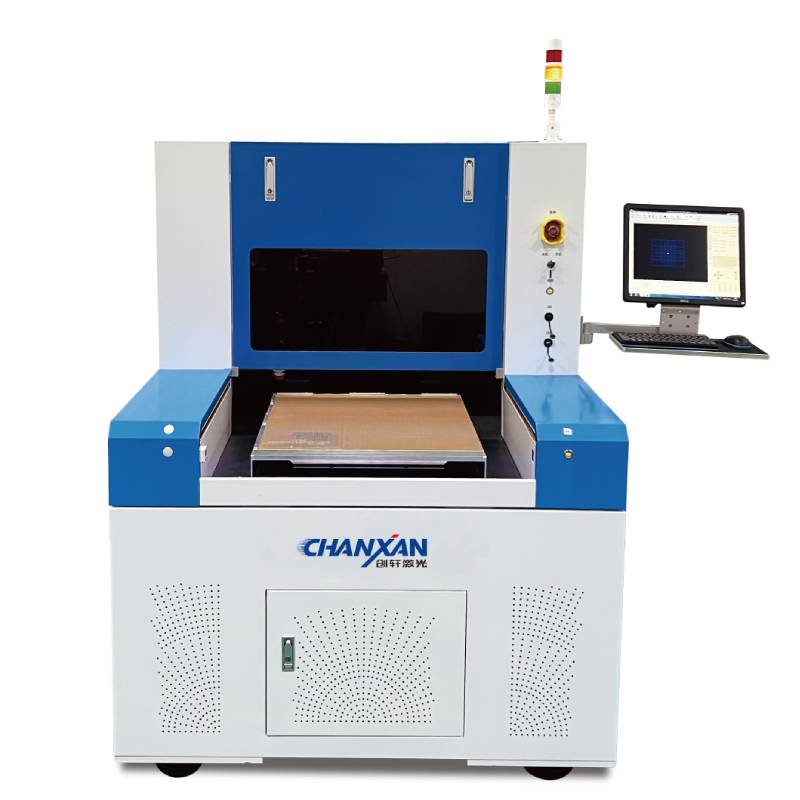
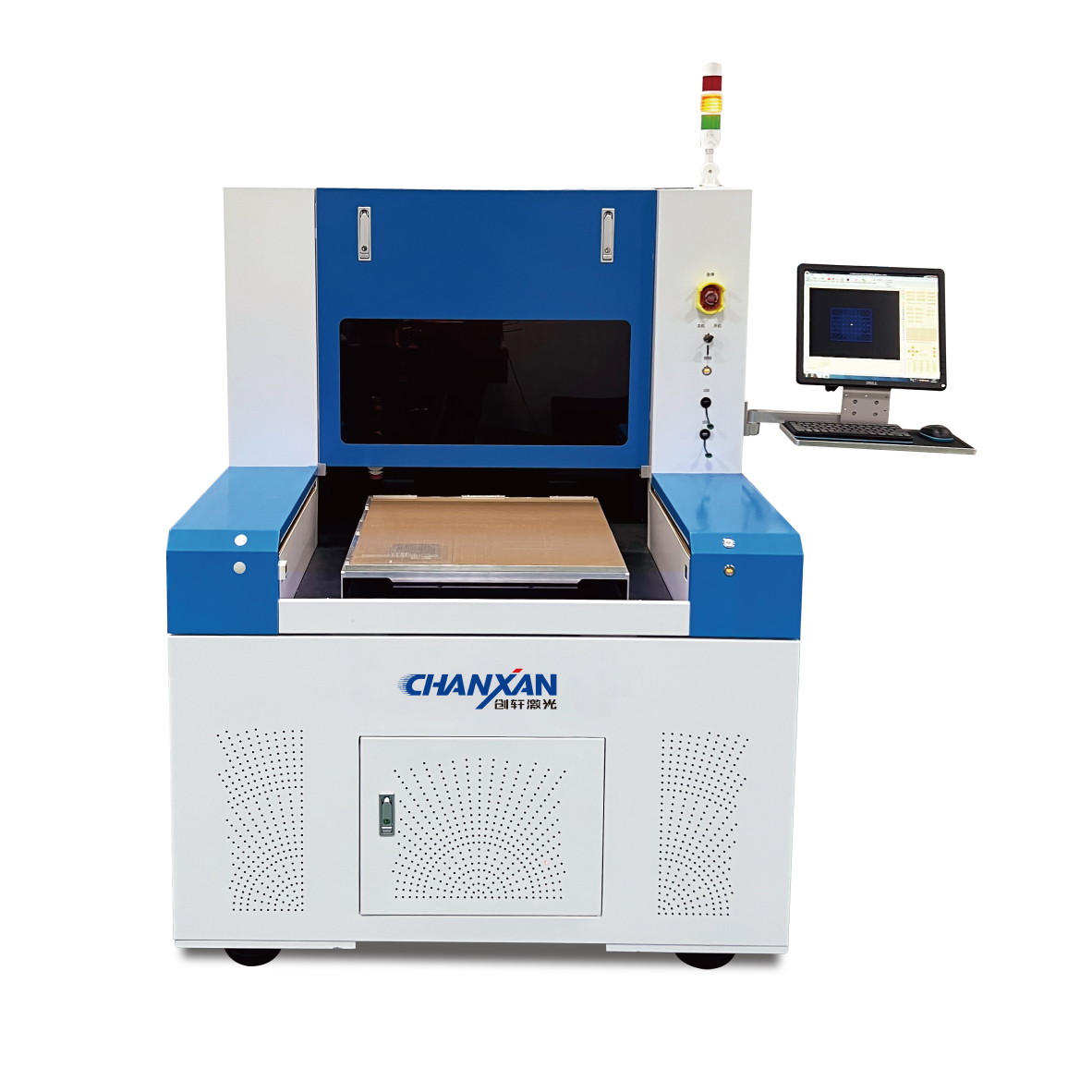
To meet the rigorous demands of next-generation flexible electronics, Chanxan Laser has engineered a premium lineup of high-precision ultra-short-pulse picosecond laser cutting systems specifically optimized for FPC, PCB, and coverlay singulation.
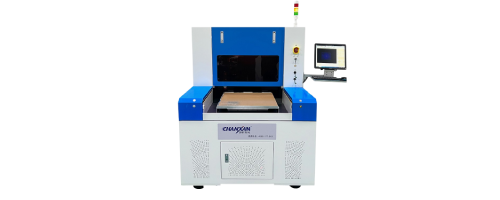
The Chanxan Ultra-Precision Picosecond Cutting System
Engineered specifically for high-yield electronics manufacturing, this system integrates a high-stability picosecond laser source to deliver exceptional edge quality. It serves as an ideal industrial solution for ultra-thin FPC profiling, precise coverlay cutting, and clean rigid-flex board singulation. By leveraging an advanced pulse-overlap strategy and ultra-fast scanning speeds, the platform drastically improves processing efficiency while strictly constraining the heat-affected zone (HAZ) to less than 10 micrometers—virtually eliminating thermal damage and edge carbonization.
Why Tier-1 Manufacturers Choose Chanxan
Negligible Thermal Impact: Advanced pulse-overlap tuning and high-speed digital galvo scanning constrain the heat-affected zone to single-digit microns, guaranteeing zero carbonization on polyimide edges.
Flawless Multi-Material Cutting: Seamlessly vaporizes heterogeneous stacks (Polyimide, Copper, Acrylic, and Epoxy adhesives) in a single setup without causing interlayer separation or mechanical microcracks.
Industrial-Grade Stability: Built on a high-rigidity marble platform with a linear motor drive system, ensuring long-term precision positioning accuracy (±2μm) for continuous 24/7 B2B production lines.
Ready to upgrade your throughput? Contact our application engineering team today for a free sample cutting trial and technical consultation.