
Key Words: Silicon Wafer Dicing PCB Depaneling Glass Cutting
Home > News > Industry News
【Description】:
From Physics to Production – A Comprehensive Technical and Commercial Guide to Laser Processing of Glass Materials
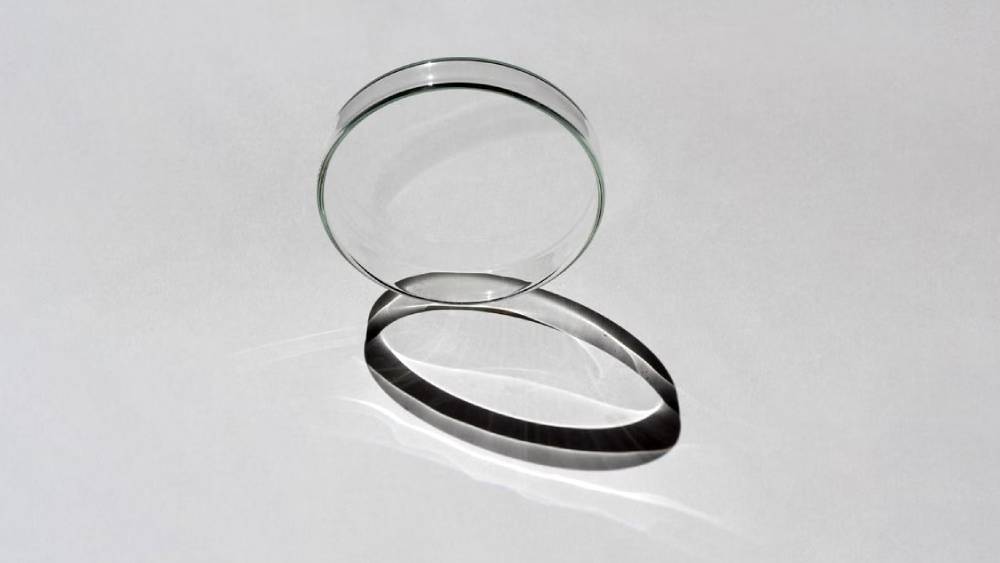
Can laser cut glass? The short answer is yes—but not in the way a CO₂ laser cuts plywood or acrylic. If you attempt to use a standard engraving laser to slice through a sheet of soda-lime glass, you will likely end up with thermal shock fractures rather than a clean edge.
The core challenge of laser cutting glass lies in its physical properties: it is transparent, highly brittle, and reflects a significant portion of infrared light. Furthermore, glass has a low thermal conductivity, meaning heat builds up rapidly in the beam's focal zone, leading to micro-cracks.
Over the last decade, however, precision glass laser cutting has evolved from a laboratory novelty into a mainstream industrial process. Glass cutting has moved from mechanical scribing and diamond-impregnated saws toward advanced photonic solutions.
To understand why specific lasers work, you must first understand the absorption problem.
Standard fibre lasers (with a 1 µm wavelength) pass straight through transparent glass like sunlight through a window. Conversely, CO₂ lasers emit a 10.6 µm wavelength that is absorbed instantly by the glass surface. However, precision glass laser cutting today relies on three distinct physical mechanisms:
Thermal Stress / Controlled Fracturing (Stealth Dicing): The laser creates a thermal gradient across the glass surface. This localised expansion causes tensile stress, which guides a microscopic crack along the intended path. The glass is then separated mechanically. This method is fast but limited to straight or gently curved lines.
Cold Ablation (Ultrafast Laser Processing): This is where modern technology shines. Using picosecond and femtosecond pulses, the laser bypasses the surface and focuses inside the glass volume. Through a process called multi-photon absorption, the material is vaporised into plasma before heat has time to diffuse into the surrounding area. This minimises the Heat-Affected Zone (HAZ) to near zero.
Filamentation: By focusing a beam to create a continuous "filament" of plasma through the thickness of the substrate, operators can cut curves and holes with extremely high aspect ratios. This technique is particularly effective for thicker glass substrates where pure ablation would be too slow.
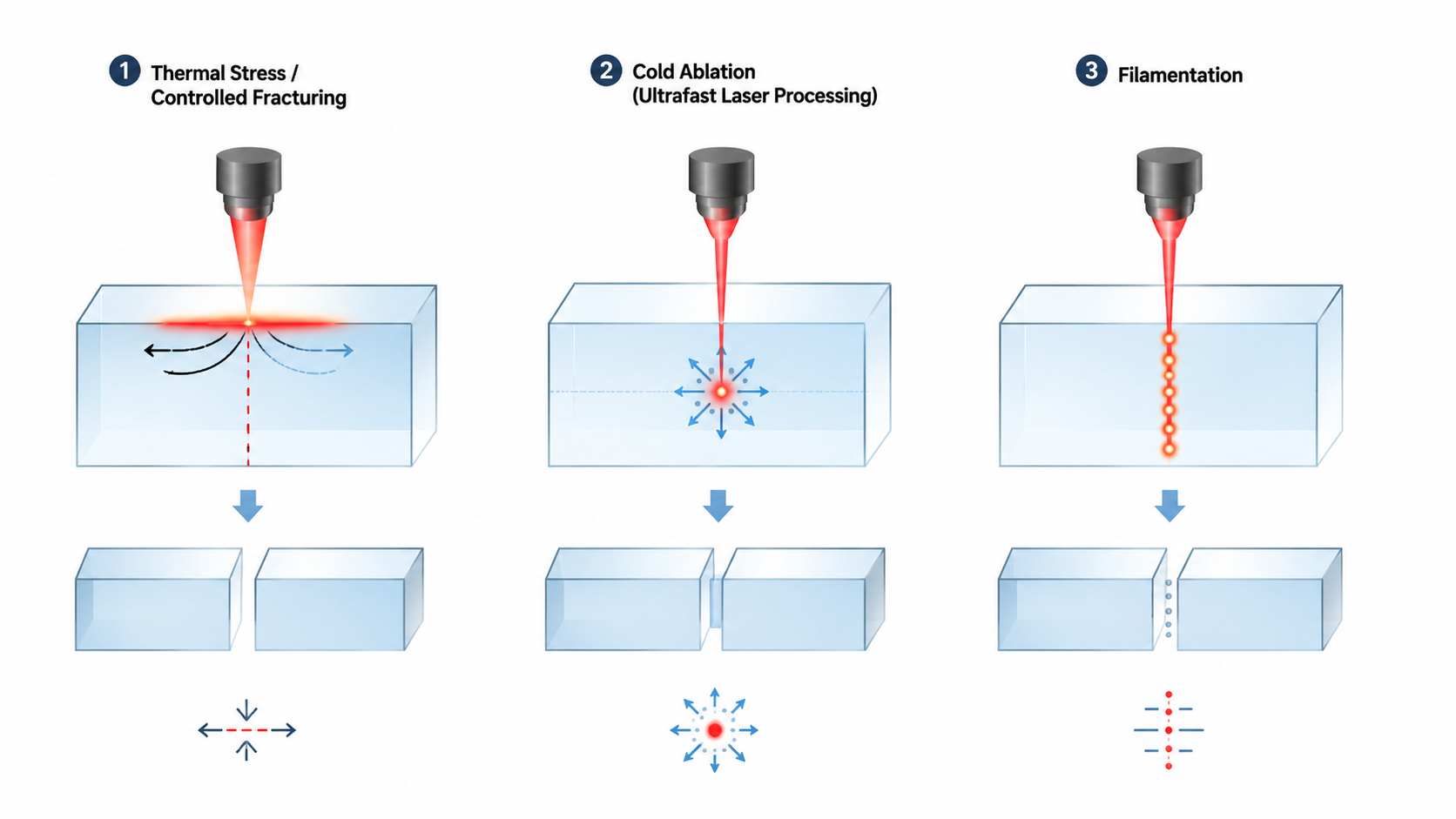
The choice of laser wavelength fundamentally determines whether cutting is possible and what quality can be achieved:
| Wavelength | Absorption in Glass | Typical Cutting Mechanism | Suitability |
|---|---|---|---|
| 1064 nm (IR) | Poor – transmits through | Nonlinear (filamentation) | Good for thick glass with ps/fs pulses |
| 532 nm (Green) | Moderate | Thermal / nonlinear | Limited – niche applications |
| 355 nm (UV) | Strong – surface absorption | Photothermal / photochemical | Excellent for thin glass (<1 mm) |
| 10.6 µm (CO₂) | Very strong – surface | Thermal melting/scoring | Effective for thick glass scoring |
Choosing the right glass laser cutting machine depends entirely on your throughput, budget, and edge-quality requirements. Each laser type has a distinct role in the glass processing ecosystem:
CO₂ Lasers (for Scoring): Ideal for cutting thick glass (up to 20 mm) where a clean snap is acceptable. They are affordable and powerful but act as a "scoring" tool rather than a true cutter for thick materials. They are excellent for engraving but poor for intricate internal features or high-precision edges.
UV Laser Glass Cutting (355 nm): The short wavelength is absorbed efficiently by the glass surface without relying on thermal conductivity. It is a workhorse for thin glass laser cutting (sub-1 mm), such as cover glass for smartphones. The downside is slower processing speed compared to CO₂, and the edge quality, while good, does not match that of picosecond systems.
Picosecond and Femtosecond Lasers: This is the gold standard for chip-free glass cutting. While the initial capital expenditure is high, these lasers deliver exceptional edge bending strength and eliminate micro-cracks entirely. They are essential for optical glass laser cutting where surface roughness must be kept below 0.5 µm. Picosecond lasers have become the industrial standard, while femtosecond laser systems are typically reserved for R&D and ultra-high-precision niche applications.
Galvo vs. Flying Optics: Galvo scanners (mirrors) offer high-speed beam deflection for complex 2D profiles, while "flying optic" systems move the entire cutting head, offering a larger processing area at a slightly slower speed. Hybrid systems combining both are increasingly common in high-volume production.
Not all glass is created equal. Your success with laser cutting glass depends heavily on its composition:
Soda-Lime Glass: The most common (windows, bottles). Cuts well with CO₂, but is prone to edge chipping. Requires high power density to avoid micro-fractures. For precision applications, UV picosecond lasers deliver significantly better edge quality.
Borosilicate Glass (Pyrex): High thermal resistance. Because it expands less under heat, it often requires picosecond laser glass cutting to achieve a clean break without "blooming" or thermal stress fractures. This material is common in laboratory and medical applications.
Quartz & Fused Silica: Extremely low thermal expansion. These are exclusively processed using ultrafast laser glass processing to create internal modifications, as thermal methods are largely ineffective due to the material's resistance to thermal gradients.
Sapphire (Crystalline): Used in watch faces and defence optics. It requires UV or picosecond wavelengths due to its extreme hardness (9 on the Mohs scale). Mechanical cutting of sapphire is costly and slow, making laser processing the preferred method.
Chemically Strengthened Glass(Gorilla Glass, Dragontrail): This is the trickiest material. The internal compressive stress means that if you attempt conventional thermal cutting, it will shatter instantly. Ultrafast laser glass processing is the only reliable method for cutting this material safely, as it preserves the compressive layer without introducing stress concentrations.
OLED Display Glass: These alkali-free substrates require exceptionally clean processing. Any particle or edge defect can create pixel defects. UV picosecond lasers with nitrogen assist are the standard for this demanding application.
Ultra-Thin Glass (UTG): Used in foldable displays, UTG (20–100 µm) is extremely fragile. Non-contact, cold ablation is mandatory, making UV picosecond lasers the only viable production tool.
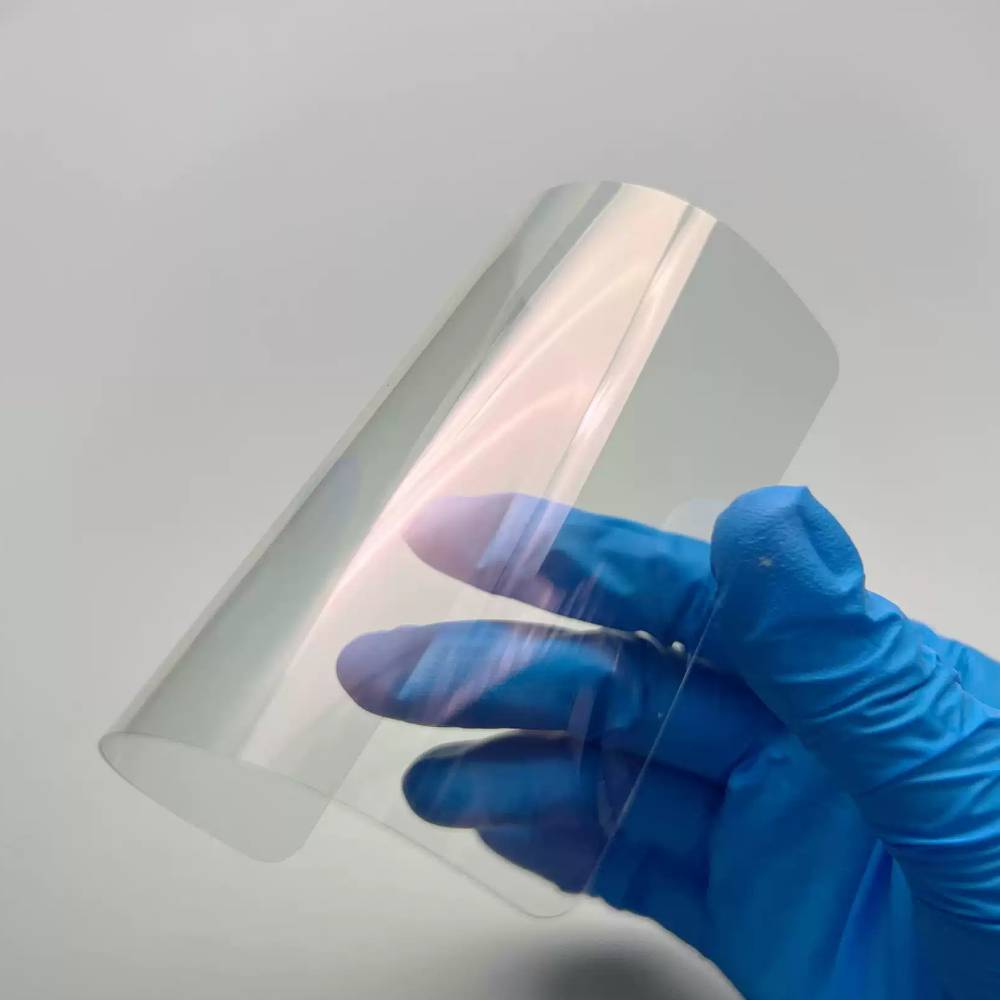
To achieve consistent results with a glass laser cutting machine, follow this standard operating procedure:
Design & File Preparation: Prepare DXF or STEP files. Ensure all internal corners have a radius—sharp 90° corners are stress-risers that cause failure. For optical components, additional tolerances must be specified for edge quality.
Material Fixturing: Secure the glass on a vacuum table. For thin glass laser cutting, this is critical to prevent warping from the airflow. The vacuum must be uniform to avoid localised stress points.
Focal Point Positioning: Unlike metal cutting, the focal point for glass is often placed below the surface (for internal ablation) rather than exactly on top. For filamentation, the focus is set deep inside the glass volume.
Parameter Tuning: Set the pulse energy, repetition rate, and scanning speed. For ultrafast systems, pulses must be "stitched" together with sufficient overlap to ensure no ridges remain on the cut edge. The overlap is typically 50–80% depending on the application.
Separation (Cleavage): If using a thermal scoring process, a gentle mechanical stressor is applied to snap the part. In ultrafast laser glass processing, the material often separates on its own due to the volume of the modified layer, requiring minimal additional force.
Post-Processing: Annealing (heating and slow cooling) to relieve residual stress may be required for certain applications. Edge cleaning removes particulate matter, ensuring the surface is ready for subsequent processes such as coating or bonding.
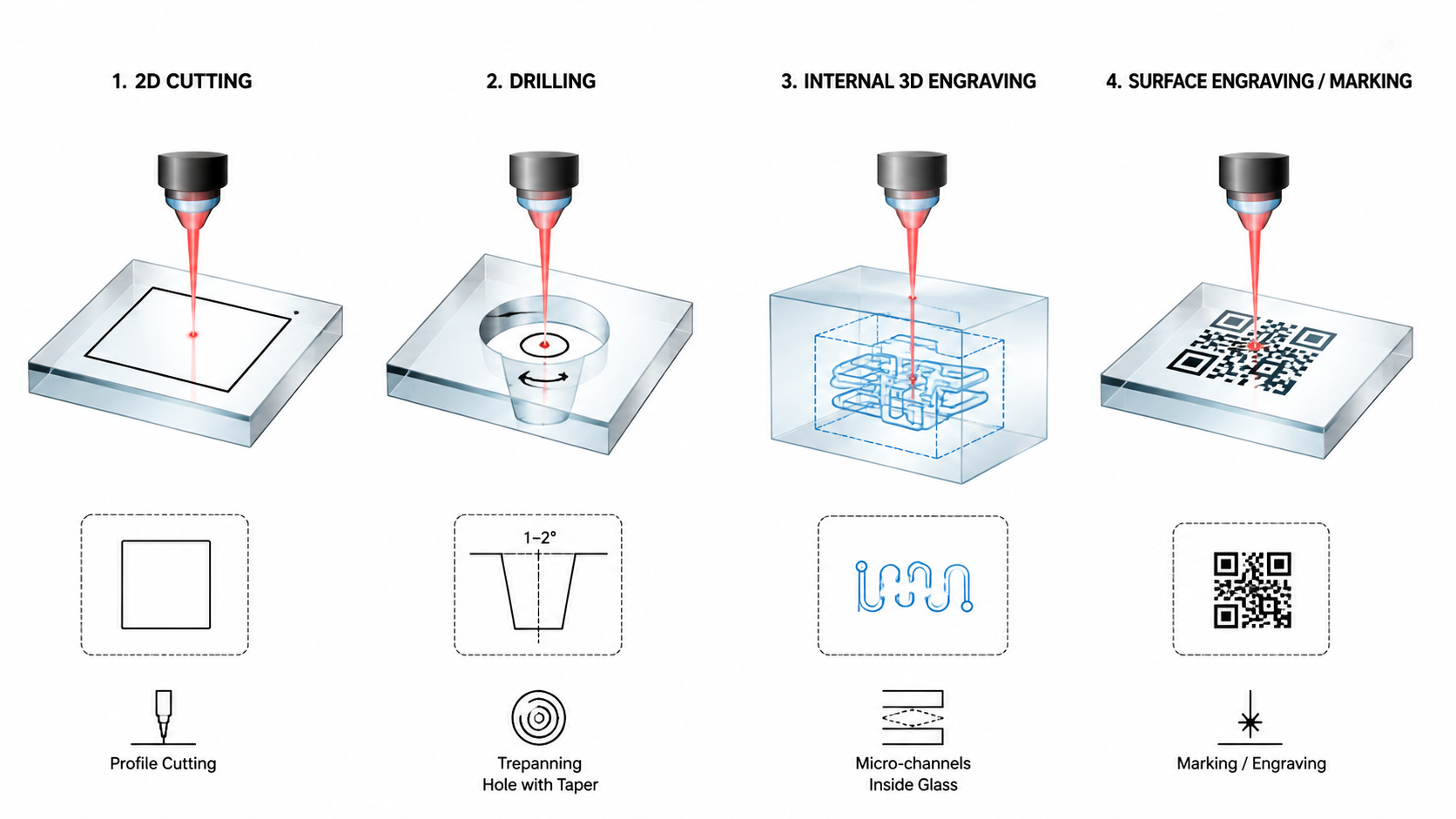
It is vital to distinguish these distinct capabilities, as they require different laser parameters and strategies:
2D Cutting: Profile cutting of flat sheets along programmed contours. This is the most common application, covering everything from display panel singulation to optical component shaping.
Drilling: Requires "trepanning"—the beam traces a spiral to expand a hole. For clean holes, the taper must be managed carefully. A laser-drilled hole will typically have a 1–2° taper unless specialised beam shaping (such as Bessel beams) is employed.
Internal 3D Engraving: This is where ultrafast laser glass processing excels. You can create micro-channels inside the glass for microfluidics without breaching the surface—an achievement impossible with mechanical tools. This capability is driving innovation in lab-on-a-chip and biomedical devices.
Surface Engraving / Marking: Used for barcodes, logos, and identification marks. UV nanosecond lasers are often sufficient for this less demanding application.
For precision glass laser cutting, quality is measured in microns and mechanical strength. Several key metrics define a successful cut:
Edge Roughness (Ra): The average surface deviation of the cut edge. For optical applications, aim for Ra <0.5 µm. This is achieved by reducing pulse energy and increasing the pulse overlap to create a smoother surface.
Taper Control: The "V-shape" of the cut as viewed in cross-section. To minimise taper, use a Bessel beam (beam shaping) which extends the focal length, keeping the kerf parallel through the thickness of the material.
Micro-cracking: This is the "silent killer" of glass parts. It reduces strength by up to 80% and is often invisible under standard inspection. Achieving chip-free glass cutting requires ultrashort pulses (picoseconds) where the material is vaporised before it can transmit shockwaves through the surrounding glass.
Bending Strength: The edge fracture resistance. Parts processed via picosecond laser glass cutting are statistically 30–40% stronger than mechanically cut parts because the laser leaves no micro-cracks to propagate under load. This is a critical advantage for load-bearing glass components.
Heat-Affected Zone (HAZ): The depth of thermal damage adjacent to the cut. For optical and display applications, HAZ must be minimised to preserve the glass's intrinsic properties. Picosecond lasers typically achieve HAZ <3 µm.
Laser cutting offers transformative advantages for glass processing, but it is not without limitations:
Non-contact process – zero tool wear, no mechanical stress, no scratching.
Complex 3D internal geometries – impossible with mechanical tools.
High yield – chip-free cutting parameters significantly reduce rejection rates.
Dry process – no coolants or lubricants required, reducing environmental impact.
Any shape – software-defined, no tooling changes, enabling rapid iteration.
Excellent edge strength – no micro-cracks, preserving glass integrity.
High upfront cost – ultrafast machines cost substantially more than CO₂ engravers.
Slower throughput for standard rectangular cuts compared to mechanical diamond scribing.
Requires skilled technicians – focal depth and laser parameters must be managed carefully.
Thickness limitations – some methods struggle with glass thicker than 3–5 mm.
Material sensitivity – not all laser types work on all glass compositions.
Investing in a glass laser cutting machine requires careful financial analysis:
| Cost Factor | Consideration |
|---|---|
| Entry-Level (UV marking retrofitted) | Suitable for prototypes and low-volume, non-critical applications. |
| Industrial Ultrafast (Picosecond systems) | Higher investment but delivers the edge quality and yield required for optical and display manufacturing. |
| ROI Factors | While the machine is expensive, the cost-per-part is significantly lower than CNC routing because there are no diamond-tipped bits to replace. Additionally, the reduction in rejection rates from micro-crack elimination often pays for the machine within 12–18 months for high-value materials. |
Key ROI drivers:
Elimination of consumable tooling costs.
Yield improvement from chip-free cutting.
Labour reduction through automation.
Access to high-value applications (optical glass, sapphire, UTG).
The demand for precision glass laser cutting is surging across multiple verticals:
Consumer Electronics: Cutting curved screens, camera cover lenses, and fingerprint sensors. Manufacturers rely on thin glass laser cutting to achieve the 0.3 mm edges required for foldable displays.
Medical Devices: Microfluidic chips and lab-on-a-chip devices require internal channels that cannot be moulded. Ultrafast laser glass processing creates these sterile barriers with precision.
Automotive: Heads-up displays (HUD), LiDAR windows, and interior ambient lighting lenses require clean, strong edges to withstand temperature cycling and vibration.
Semiconductor: Glass interposers and wafer dicing require the thermal precision offered by UV and picosecond sources. Optical glass laser cutting is also used to create high-precision mirrors for defence and space telescopes.
Display Manufacturing: OLED and LCD panel singulation requires particle-free, smooth edges to maintain hermetic sealing and pixel integrity.
Aerospace & Defence: Reconnaissance windows, sensor covers, and optical mounts demand the highest edge quality and reliability under extreme conditions.
So, can laser cut glass? Absolutely—provided you match the wavelength and pulse duration to the specific thickness and type of glass you are processing.
For thick soda-lime glass, a CO₂ scorer works effectively. For high-precision optics, only ultrafast laser glass processing (picosecond) will deliver chip-free glass cutting. For chemically strengthened glass and display applications, UV picosecond lasers are the only reliable solution.
Chanxan Laser is a leading manufacturer of advanced laser processing systems in China, offering a comprehensive portfolio of ultrafast laser solutions for glass cutting, drilling, marking, and micro-structuring. With over 100 patents, ISO9001, FDA, and CE certifications, and a global service network spanning 100+ countries, Chanxan delivers production-ready equipment for the most demanding glass processing applications.
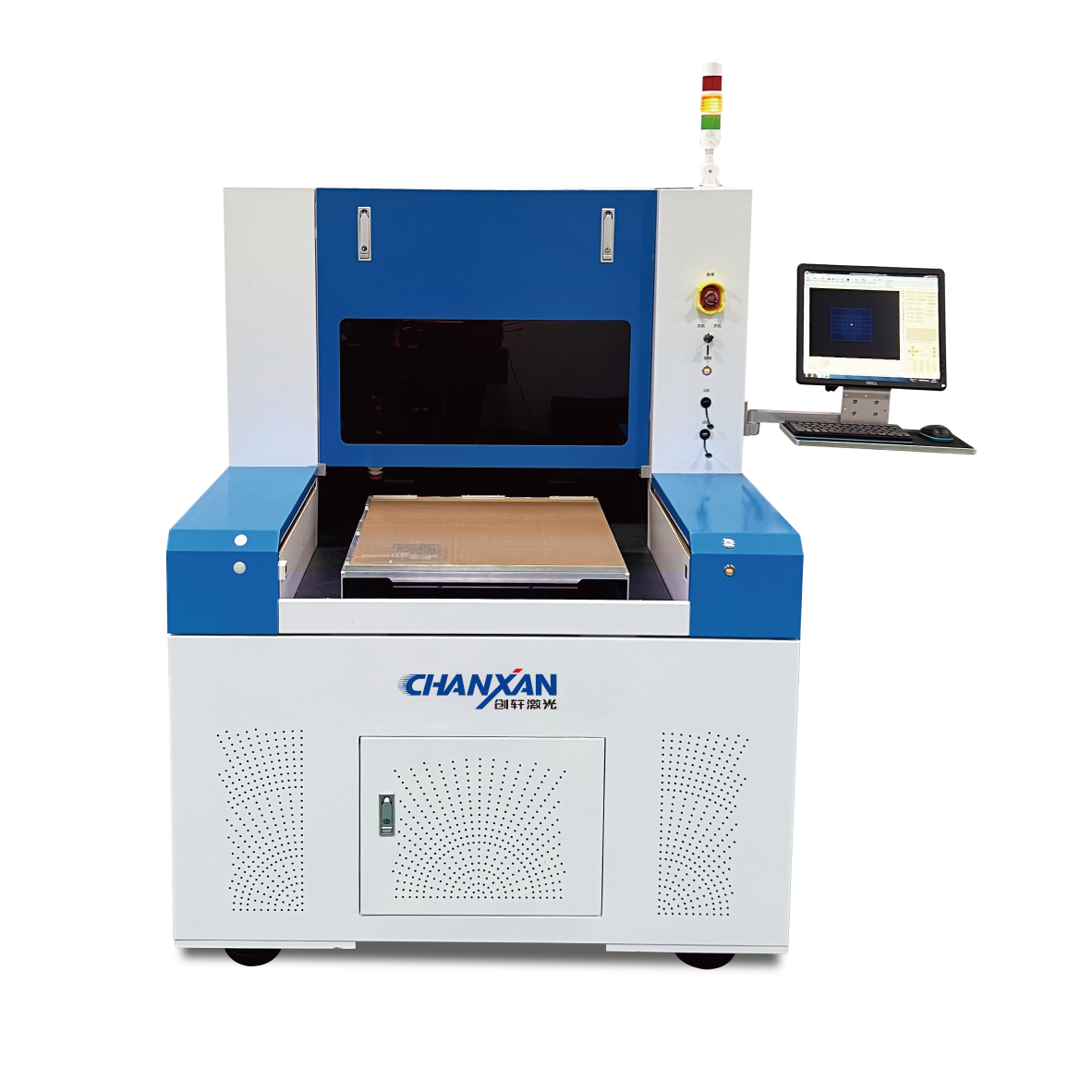
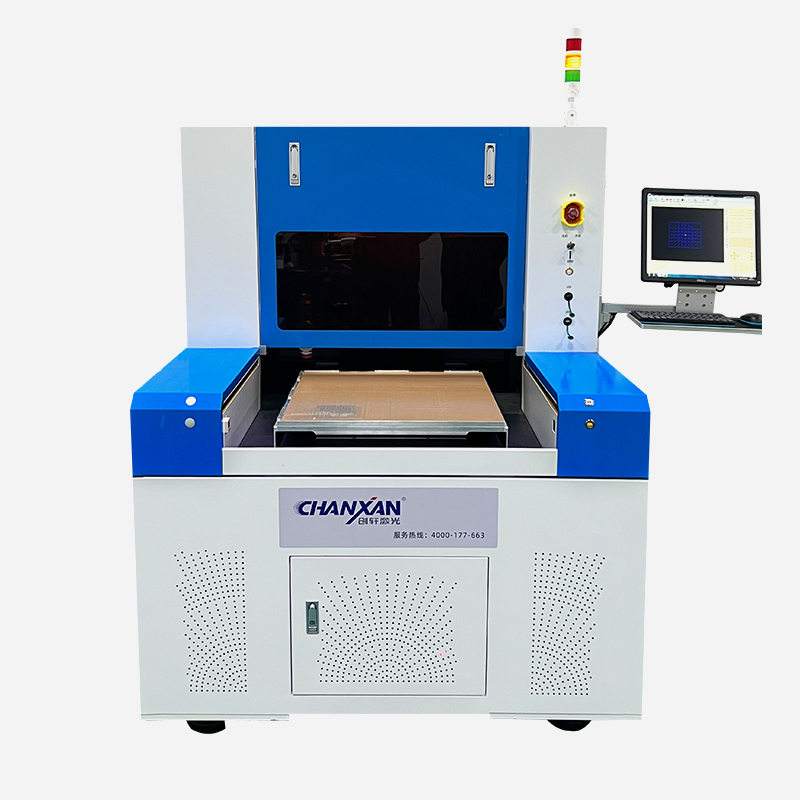
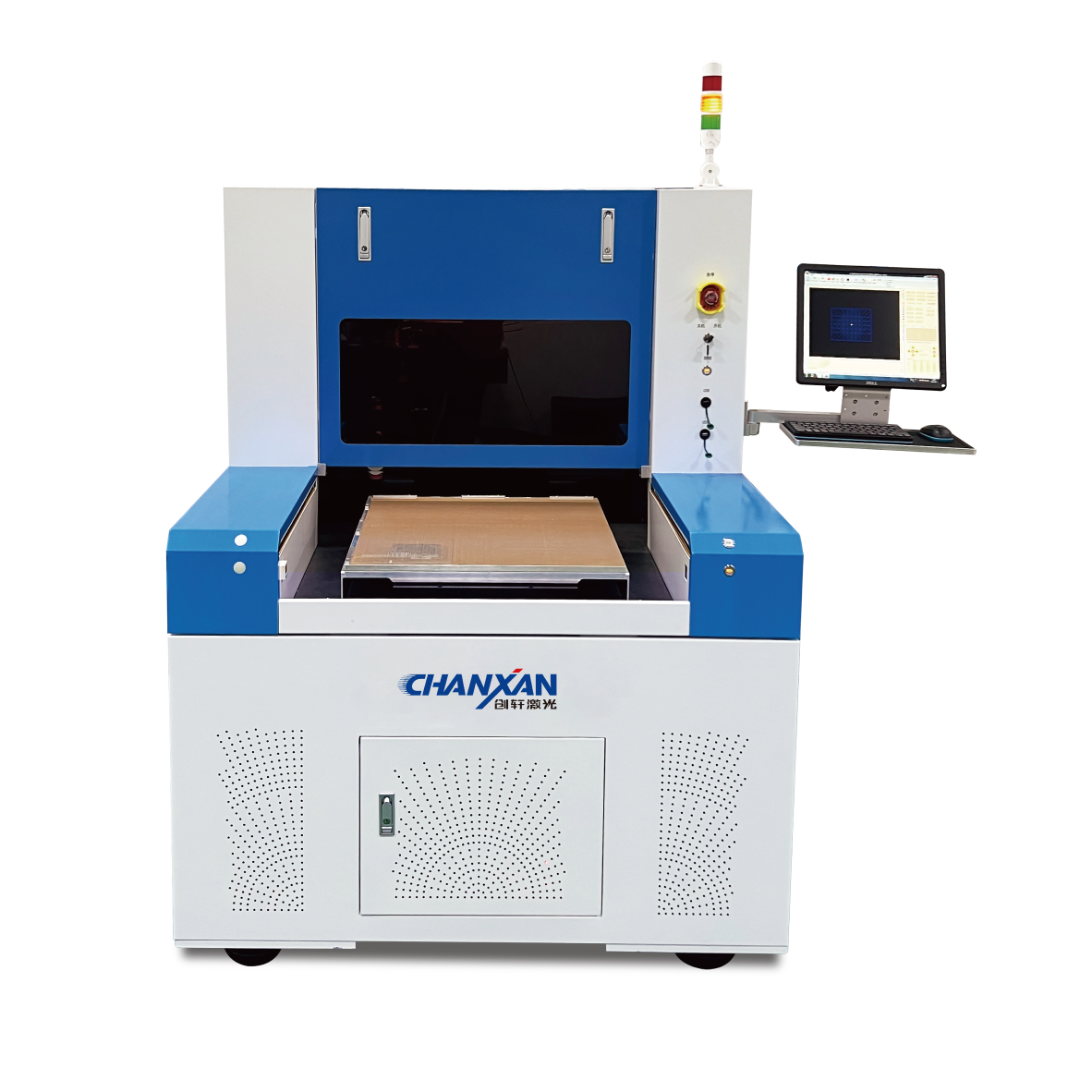
This system is the flagship solution for chip-free glass cutting. Its cold ablation mechanism delivers:
Zero micro-cracks – preserves glass strength.
Edge roughness Ra <0.5 µm – meets optical and display requirements.
±2 µm repeatability – consistent part-to-part quality.
600×500 mm working area – panel-scale processing.
Dynamic Z-tracking – maintains focus across warped panels.
Integrated CCD alignment – automatic position compensation.
Nitrogen assist + vacuum extraction – particle-free processing.
Best for: Optical glass, cover glass, UTG, OLED panels, sapphire, and any application where edge quality is critical.
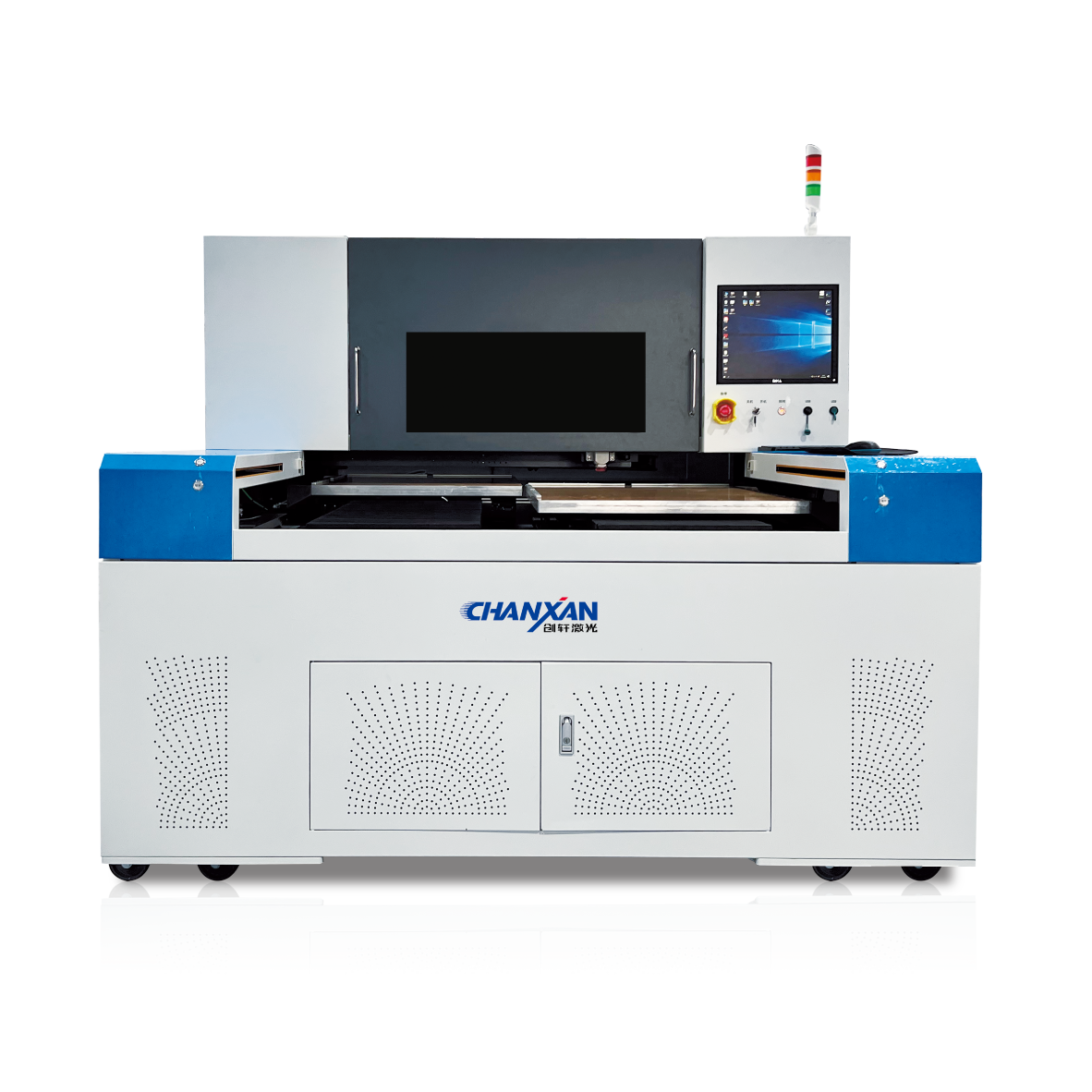
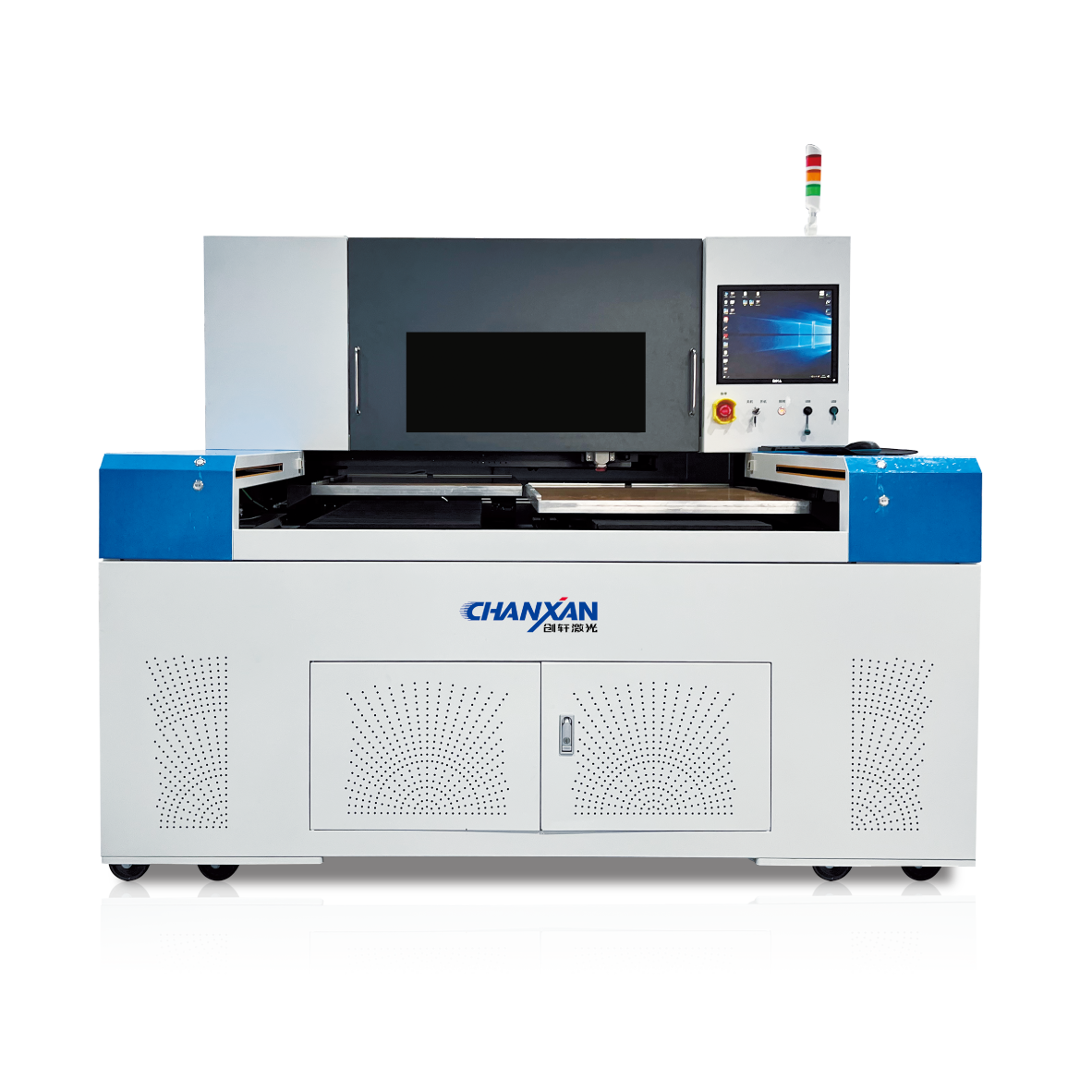
These hybrid systems combine IR ps modification with CO₂ laser splitting for high-speed, high-volume glass cutting:
Zero taper – separation follows internal vertical modification.
Chipping ≤20 µm – clean edges without secondary processing.
Thickness up to 3 mm – single-pass capability.
Working area up to 600×900 mm – dual-station option.
High throughput – modification is fast; splitting is rapid.
Best for: High-volume display glass, automotive panels, consumer electronics cover glass, and any application requiring speed with quality.
Chanxan's application engineering team provides:
Process feasibility studies – verify your glass material, thickness, and shape.
Parameter optimisation – customised roadmap for your specific production targets.
On-site installation & training – comprehensive operator and maintenance training.
Global service & support – rapid response for 24/7 production environments.
Contact Chanxan Laser to discuss your glass cutting application—whether you are processing smartphone cover glass, automotive displays, optical components, or semiconductor substrates. Our experts will help you select the right system and optimise your process for maximum yield and throughput.
| Free solution
Previous: Laser Processing in OLED Manufacturing: Technologies & Equipment Guide
Next: OLED Glass Laser Cutting – Precision Processing for Display Substrates